


More news on this day
Lagos domestic flyers could see tighter control of departure and arrival times at Murtala Muhammed Airport Terminal 2 (MMA2) as the terminal’s operator renews calls for a coordinated slot system aimed at reducing chronic delays and peak-hour congestion.
Get the latest news straight to your inbox!
Why MMA2 is pushing slot coordination now
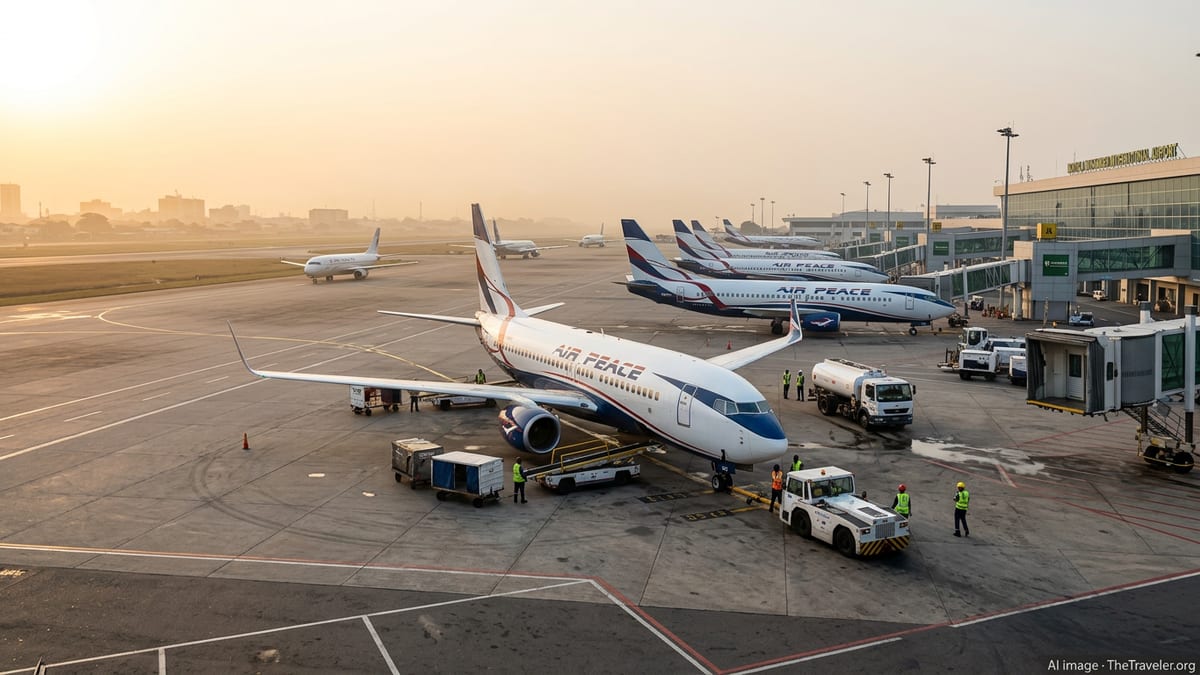
Published coverage indicates Bi-Courtney Aviation Services Limited, which operates MMA2, is preparing to introduce a structured slot system in 2026 to better align airline schedules with terminal and airside capacity. The approach is framed as a way to coordinate aircraft movement, reduce apron and terminal crowding during peak periods, and improve on-time performance for carriers using the facility.
The proposal has been attributed in multiple reports to Remi Jibodu, Bi-Courtney’s acting chief operating officer and head of aeronautics and cargo services. Coverage describes the plan as part of a broader operational optimization program that also aims to improve predictability for ground handlers and other airport service providers whose staffing and equipment planning often depends on how tightly flights keep to schedule.
MMA2’s congestion challenge is closely tied to volume concentration. In published interviews, Jibodu has described a steady daily rhythm of about 60 to 65 departures, with traffic surging around major holiday periods when passenger footfall can climb sharply. Those peaks can turn routine late arrivals into knock-on disruptions that ripple through gate availability, check-in areas, and passenger processing points.
What a “slot system” could change for airlines and passengers
A coordinated slot system typically sets agreed time windows for takeoff and landing and then matches them to declared airport capacity, limiting the number of movements allowed in a given interval. Internationally, slot frameworks are often used at airports where demand exceeds capacity for parts of the day or season, requiring a structured process to prevent schedule pileups that create predictable late departures.
For travelers, the immediate impact is less about guaranteeing that every flight departs on time and more about reducing the chaotic clustering that occurs when multiple airlines schedule similar departure banks without a shared capacity reference. When too many aircraft are planned for the same narrow windows, small setbacks like late inbound aircraft or slow turnarounds can quickly overwhelm gates, boarding areas, and baggage flows.
Coverage of MMA2’s plan suggests the terminal is focusing on balancing demand and capacity at the terminal level, with an operational emphasis on apron and airside management. In practical passenger terms, a better-spaced schedule could also reduce long queues at security screening, check-in, and boarding gates during the most congested periods, even if weather or operational issues still trigger occasional delays.
How this fits into Nigeria’s wider aviation oversight and airport rules
Nigeria’s aviation framework already contains formal structures around slot allocation at designated airports. Publicly available regulatory documents describe an Airport Slot Allocation Committee model involving key aviation agencies, reflecting the idea that slot rules and monitoring can be organized through established oversight mechanisms rather than left entirely to ad hoc negotiation.
The slot conversation is also unfolding against a backdrop of heightened attention to disruption management and passenger-facing communication. In September 2026, Nigeria’s civil aviation regulator published an enforcement action directed at an airline over disruption handling, including delay updates and refunds. That move has put fresh emphasis on the downstream consequences of unreliable operations, where congestion and schedule instability can quickly become consumer protection issues.
For domestic travelers, the overlap matters because congestion is not only an airside problem. When departure times drift and airlines adjust at short notice, passengers can end up in repeated queues for rebooking, baggage, and information, with inconsistent messaging between counters, public announcements, and mobile updates. A more predictable, coordinated schedule can make it easier for airlines and terminal operators to set clearer expectations earlier in the disruption cycle.
Traffic patterns at MMA2: the routes and volumes behind the bottlenecks
Operational details released in published interviews point to a heavy concentration of domestic traffic on a few trunk routes. Coverage identifies Lagos to Abuja as the busiest passenger route from MMA2, followed by Asaba and Port Harcourt, reflecting commuter and business demand that tends to cluster into morning and evening peaks.
That concentration can intensify congestion because airlines often chase the same high-demand windows, especially on routes where frequencies can change day to day. The result is that an airport may appear to have adequate daily capacity on paper while still experiencing severe congestion in specific hours, when multiple carriers plan departures close together and the terminal must process large numbers of passengers in short bursts.
Bi-Courtney has also been linked in earlier reporting to efforts aimed at expanding the operational role of MMA2, including regional flight ambitions and airside changes such as apron expansion plans discussed in published policy coverage. If regional operations grow, schedule coordination becomes more critical, since mixed operations can increase complexity around gates, stand allocation, and turnaround planning.
What travelers should watch for as slot coordination develops
For passengers, the most visible sign of a slot system rollout is likely to be schedule adjustments that smooth out departure banks, even if flight numbers remain similar overall. Travelers may notice certain flights shifting by small increments to fit within agreed capacity windows, particularly during holiday peaks when the terminal’s highest footfall and tightest gate utilization coincide.
Another indicator is more consistent passenger messaging, since coordinated scheduling works best when airlines, ground handlers, and terminal operations teams rely on the same reference plan. When a delay becomes likely to cascade into a cancellation or a major retiming, early coordination can help airlines decide sooner whether to consolidate flights, swap aircraft rotations, or trigger rebooking and refund processes.
Until a coordinated slot approach is fully implemented and publicly documented in schedules and operational procedures, travelers can still expect variability, especially when disruptions stem from aircraft availability or late inbound rotations. Even so, the renewed push for structured slot allocation at MMA2 signals a shift toward formal capacity management, a tool many congested airports use to limit the domino effect that turns isolated delays into terminal-wide congestion.