


More news on this day
Intense monsoon storms sweeping across parts of Asia, the Middle East and the United States are disrupting air travel at the height of the summer season, with heavy rain, strong winds and lightning combining to damage infrastructure and leave thousands of travelers facing cascading delays and cancellations.
Get the latest news straight to your inbox!
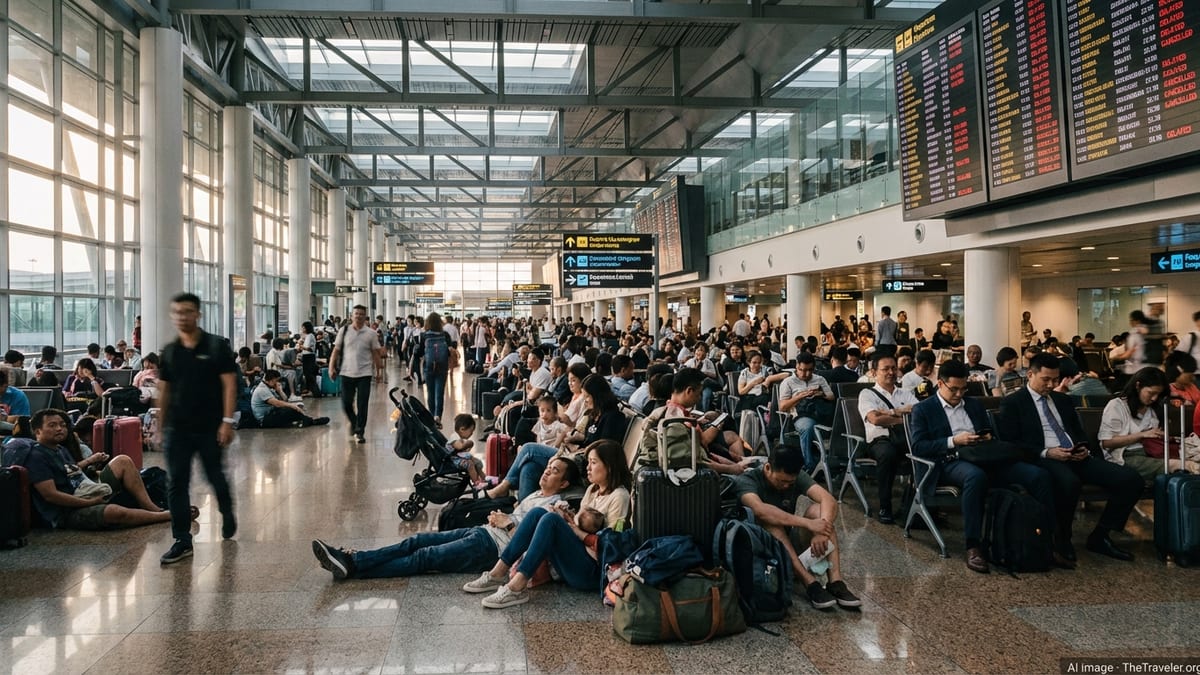
Heavy monsoon rains disrupt Mumbai operations
In India’s financial capital, Mumbai, sustained monsoon downpours in early July led to significant disruption at Chhatrapati Shivaji Maharaj International Airport. Publicly available information shows that runway operations were briefly suspended during a period of intense rainfall and gusty winds, triggering a backlog of arrivals and departures.
According to published coverage, at least 17 flights were cancelled and more than 200 were delayed on July 6 as rain and low visibility reduced the rate at which aircraft could land and depart. A red alert for extremely heavy rain remained in place for Mumbai and neighboring districts, increasing the likelihood of further operational constraints as saturated ground conditions and waterlogged taxiways slowed turnaround times.
Weather services tracking the monsoon pattern indicated that heavy to very heavy rainfall would persist through July 8 before easing, suggesting that airlines and airport operators would need several days to fully clear the resulting congestion. Carriers issued public travel advisories urging passengers to check flight status before leaving for the airport and to prepare for longer queues at check in and security.
Local reports from the city also pointed to wider impacts from the same storms, including flooded access roads, localized power interruptions and delays to ground transportation serving the airport, all of which compounded the aviation disruptions and extended the total journey time for many passengers.
Ripple effects felt on UAE to India routes
The weather-related disruption in Mumbai quickly spread along key international corridors. Flights between the United Arab Emirates and Mumbai experienced delays as monsoon storms intensified over the western Indian coast, affecting both outbound and inbound operations.
Information from regional aviation coverage indicates that airlines serving the Dubai to Mumbai route reported departure and arrival times slipping by up to an hour or more. In some cases, aircraft bound for Mumbai held on the ground in the Gulf until airport conditions improved, a standard tactic to avoid extended airborne holding patterns near storm cells.
Airlines in the Gulf region publicly advised travelers to monitor live flight information and arrive early at airports, noting that schedules were subject to change at short notice as storms pulsed through the region. These advisories reflected a broader pattern in which carriers sought to manage expectations during a period of highly variable weather that can shift rapidly from acceptable flying conditions to severe thunderstorms.
The timing of the disruption coincided with a busy outbound travel period from the Gulf to India, increasing the strain on rebooking options. When monsoon storms force temporary reductions in runway capacity at a major hub, the resulting queues can take hours to resolve, complicating connections and forcing some passengers to overnight in transit.
Desert monsoon brings dust, downpours and delays in the U.S. Southwest
In the United States, the seasonal North American monsoon has also been causing problems for aviation and infrastructure. In Arizona, a wall of dust followed by intense thunderstorms recently swept across the Phoenix metropolitan area, leading to power outages, hazardous driving conditions and interruptions to flights at Phoenix Sky Harbor International Airport.
Local weather briefings describe how rapidly forming storm cells, characteristic of the desert monsoon, produced strong outflow winds and lightning near the airfield. In such situations, ground handling activities may be paused for safety, and air traffic control can temporarily reduce arrival and departure rates, resulting in ground stops or significant delays.
Beyond the airport perimeter, strong winds and blowing dust reduced visibility on key highways leading to Phoenix, slowing airport access and emergency response times. Utility crews worked to restore electricity to affected neighborhoods while transportation agencies warned of downed trees and debris on local roads.
Forecasts from the National Weather Service and regional offices for July suggest that the monsoon pattern over the Southwest will remain active, with further bursts of thunderstorms possible through the coming weeks. This raises the prospect of additional, localized flight disruptions whenever storms track directly across major metropolitan areas.
Thunderstorm-laced monsoon patterns strain global flight networks
While monsoon systems are seasonal and expected, the clustering of severe storm days around busy travel periods has strained both regional and long haul flight networks. Data compiled by flight tracking and aviation analytics providers for early July show hundreds of weather-linked delays at major hubs from South Asia to North America and Europe.
Reports from Dallas–Fort Worth, Charlotte and Seattle in recent days describe ground stops and reduced arrival rates when thunderstorm complexes passed over key approach corridors. In each case, the combination of lightning, wind shear and heavy rain limited how many aircraft could safely land or depart per hour, creating queues of waiting aircraft and missed connections for travelers.
In Europe, storm systems and low cloud have likewise slowed operations at several large airports, resulting in late arrivals that feed into already tight turnaround schedules. Aviation analysts note that when convective weather hits multiple hubs within a single day, the impact on global networks can be magnified, as aircraft and crews arrive out of position for subsequent flights.
These patterns illustrate how modern air travel remains highly sensitive to extreme weather even as airlines improve forecasting tools and schedule planning. When monsoon storms intensify, the need to maintain safe separation between aircraft, protect ground crews from lightning and preserve runway integrity inevitably leads to delays and cancellations, particularly during peak travel periods.
Travelers adapt as airlines issue advisories and waivers
With monsoon activity expected to remain elevated in several regions through July and August, airlines and airports have been updating public guidance to help travelers navigate the disruptions. According to information published by multiple carriers, flexible rebooking policies and limited change fee waivers are being applied in some of the most affected markets when prolonged storms are forecast.
Consumer rights organizations and flight compensation services have also highlighted the limits of passenger entitlements during severe weather. Their public resources emphasize that when delays are caused primarily by storms, legal compensation is often restricted, although airlines are still generally expected to provide basic care such as information, refreshments or accommodation depending on jurisdiction and length of delay.
Travel experts recommend that passengers flying into or out of monsoon-affected regions build additional time into itineraries, favor early day departures when possible and track both airline communications and local weather forecasts. For those with critical connections, booking longer layovers and avoiding the last flight of the day on vulnerable routes can reduce the risk of becoming stranded.
As this monsoon season continues to unfold, the combination of intense rainfall, powerful thunderstorms and tightly packed airline schedules is likely to keep pressure on global aviation networks. For travelers and industry alike, flexibility and timely information remain central tools for coping with the evolving storm pattern.