


More news on this day
Intense monsoon thunderstorms are disrupting travel across multiple regions this week, damaging infrastructure on the ground and triggering waves of flight delays that are rippling through already busy summer schedules.
Get the latest news straight to your inbox!
Storm cells slam Southwest cities and suburbs
Across the U.S. Southwest, powerful monsoon cells have swept through desert metro areas with sudden downpours, high winds and frequent lightning. In Arizona, local television coverage this week has highlighted toppled trees, damaged roofs and scattered power outages after evening storms moved rapidly across parts of the Phoenix area and neighboring communities.
Video compiled by regional broadcasters shows walls of dust preceding heavy rain, making driving conditions hazardous on major freeways and surface streets. Emergency managers have continued to remind motorists to avoid flooded underpasses and fast-moving washes, which can rise quickly when intense rain falls on sunbaked, impermeable ground.
Weather outlooks from the National Weather Service indicate that monsoon moisture will remain in place through the coming days, keeping the risk of brief but severe storms elevated during late afternoon and evening hours in parts of Arizona and neighboring states.
Urban forecasters note that the combination of dry soils, extreme heat and sudden downpours is increasing the likelihood of localized flash flooding and wind damage, particularly in rapidly growing suburban corridors with large areas of pavement and limited drainage.
Airports face cascading delays as storms roll through
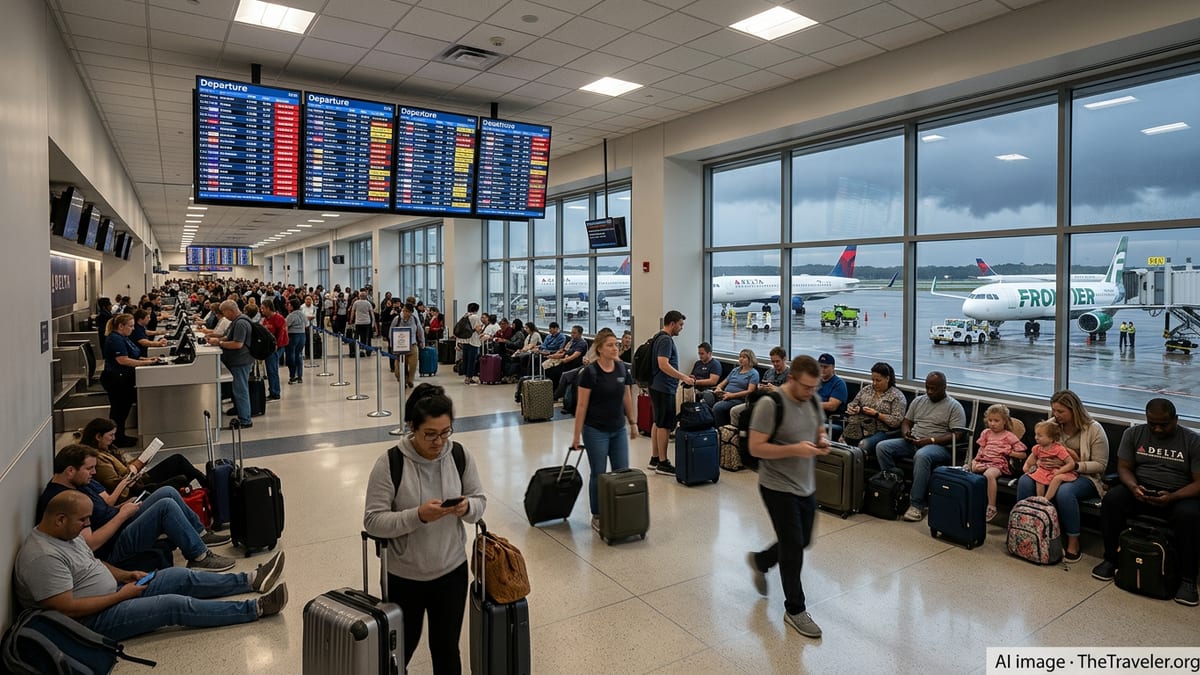
Air travel across several hubs has been significantly affected as thunderstorms associated with monsoon moisture and unstable summer air have rolled through major metropolitan areas. In North Texas, publicly available flight-tracking data earlier in the week showed hundreds of delays and cancellations at Dallas Fort Worth International Airport and Dallas Love Field as strong storms moved through the region.
Similar patterns have appeared across the Southeast and Gulf Coast. Recent coverage from local outlets in Tampa and Miami described ground stops or major slowdowns in departures while lightning and heavy rain moved near runways, with flight operations resuming only gradually once storms cleared. Aviation analysts note that even brief pauses during peak hours can trigger a domino effect of missed connections and aircraft repositioning challenges throughout the national network.
Further north, thunderstorm clusters tracking along the Eastern Seaboard have led to rolling ground delays at large hubs such as Atlanta, where Federal Aviation Administration advisories in recent days have required airlines to reduce arrival and departure rates for several hours at a time.
In the Pacific Northwest, local news from Seattle has also pointed to storm-related slowdowns, underscoring that the current pattern of unsettled weather is affecting a broad geographic swath of the country rather than a single region.
International routes hit as monsoon rains intensify
Beyond the United States, monsoon storms have also disrupted major international gateways. In India, operations at Mumbai’s Chhatrapati Shivaji Maharaj International Airport were recently curtailed as extremely heavy rain and gusty winds swept across the city. According to business and aviation coverage from Indian outlets, dozens of flights were delayed and a number were cancelled as air traffic controllers and airlines pared operations during periods of low visibility.
Carriers operating between the United Arab Emirates and Mumbai reported knock-on effects, with passengers advised to monitor schedules closely and expect adjustments as the weather pattern evolved. Aviation observers note that hubs such as Dubai and Abu Dhabi can experience ripple impacts when a key destination on a heavily traveled regional route experiences prolonged restrictions.
In Europe, unsettled summer weather has also been contributing to air-travel problems. Recent reporting in the United Kingdom described thunderstorms causing delays and cancellations at London’s main airports, including Gatwick and Heathrow, as air traffic flow restrictions were introduced to keep operations within safe limits during downpours and lightning.
Together, the disruptions highlight how localized monsoon downpours in one region can align with broader storm systems across continents to complicate airline scheduling during one of the busiest travel periods of the year.
Infrastructure damage and urban flooding compound impacts
On the ground, infrastructure in several cities has come under strain as the latest round of storms has passed through. In the Phoenix area, televised images and social media posts have documented damaged facades, downed tree limbs and scattered debris in neighborhoods where strong outflow winds have preceded heavy rain. In some locations, street flooding has temporarily blocked access to shopping centers and residential subdivisions.
Elsewhere in the Southwest and Southern Plains, reports indicate that power utilities have faced localized outages as lightning and wind have affected distribution lines. Road crews have responded to washouts and sinkholes along lesser-traveled routes, particularly in areas with older drainage systems or recent wildfire scars that leave hillsides more prone to erosion.
Municipal planners and climate researchers point out that monsoon seasons are increasingly interacting with rapid urban expansion. Wider expanses of asphalt and concrete can channel water quickly into low-lying areas, while older stormwater systems can be overwhelmed by short-lived but intense bursts of rain.
These issues have prompted renewed discussions in several communities about upgrading drainage, burying vulnerable power lines and expanding early-warning systems for dust storms and flash flooding, with an emphasis on preparing for more variable and extreme precipitation events in coming summers.
Travelers urged to prepare for a volatile pattern
With forecasts calling for continued monsoon activity in the Southwest and a series of storm systems sliding across the central and eastern United States, aviation and travel specialists are advising passengers to build additional flexibility into summer plans. Publicly accessible guidance from airlines and consumer-rights organizations consistently emphasizes monitoring flight status frequently, allowing extra time to reach airports during heavy rain and being prepared for last-minute gate or schedule changes.
Experts in air-traffic management note that modern delay patterns are often the result of multiple, compounding factors. A single monsoon storm over a hub city can temporarily close arrival and departure corridors, which in turn keeps crews and aircraft out of position for later flights in completely different regions several hours later.
For travelers already in storm-prone regions, local emergency management agencies and weather services continue to stress basic safety steps, including avoiding flooded roads, steering clear of downed power lines and seeking sturdy shelter when lightning is nearby. In many monsoon-affected cities, officials have encouraged residents to register for localized alert systems that can push notifications directly to mobile phones as dust storms or flash flooding develop.
As the peak of the monsoon season and the height of summer air travel converge, the latest outbreaks of storms and flight disruptions serve as a reminder that even short-lived cells can have outsized impacts on tightly tuned transportation networks.