


More news on this day
A fast-moving complex of morning thunderstorms rolled across parts of the Midwest on June 17, downing trees and power lines, cutting electricity to thousands of customers and slowing ground and air travel during the peak commute.
Get the latest news straight to your inbox!
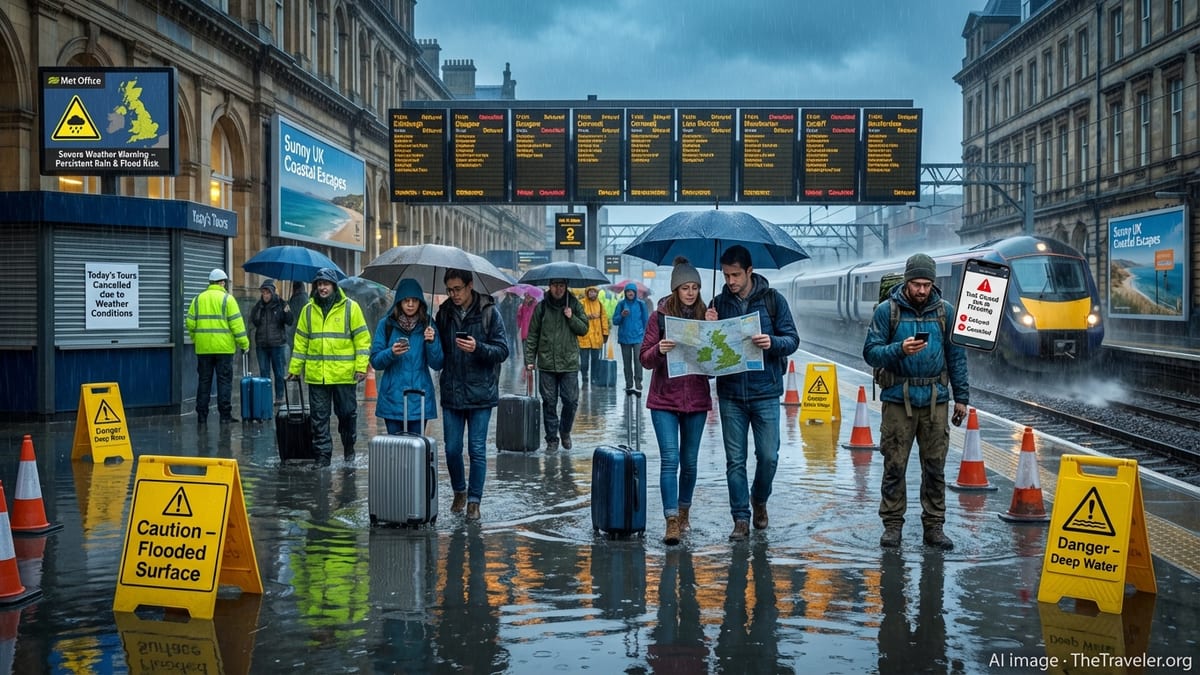
Severe weather targets Illinois and neighboring states
Forecast discussions from national meteorological agencies and regional outlets had highlighted June 17 as a high-impact weather day across portions of Illinois, Indiana and the broader Midwest, with a moderate risk level assigned to the corridor from northern Illinois into neighboring states. Early outlooks on June 16 described an intense upper-level disturbance and strong jet stream winds as key drivers for multiple rounds of storms, including an early-day complex capable of producing damaging winds and isolated tornadoes.
By daybreak, that scenario began to unfold across central and northern Illinois, where radar indicated a bowing line of thunderstorms racing eastward. Publicly available reports described swaths of damaging straight-line winds, with embedded stronger cells dropping heavy rain in a short time. The early timing meant many communities experienced the worst of the weather just as residents were heading to work and school.
Live update pages from Illinois-based newsrooms on Wednesday morning referenced successive severe thunderstorm warnings and rapidly evolving conditions, particularly in counties stretching from the Mississippi River east toward the Chicago metropolitan region. While some earlier warnings were allowed to expire as storms weakened, others were reissued downstream as the convective line regenerated, keeping much of the region on alert through the morning hours.
Across the broader central United States, this morning activity followed several days of heightened severe weather, including earlier storms that produced large hail, damaging wind gusts and isolated tornadoes in parts of the Upper Mississippi Valley and Plains. According to national severe weather outlooks, the same broader storm system is expected to maintain a risk of additional severe storms later in the day and into the evening as the atmosphere destabilizes again.
Power outages and infrastructure damage reported
As the storms moved through, utilities in several Midwestern states reported scattered to widespread power outages, primarily caused by tree limbs and entire trees falling onto lines in the gusty winds. Based on outage dashboards and regional coverage, early counts climbed into the thousands in some service territories, particularly where the most intense segments of the line passed during the morning peak.
Previous rounds of severe storms earlier in the week had already tested grid resilience across the central United States, with humanitarian organizations noting that many of the most disruptive power-loss days in recent years have coincided with large-scale thunderstorm events. Recent analyses of grid performance under extreme weather point to a clear pattern of wind-driven and convective storms triggering many of the region’s largest outage events, especially during the warm season.
Initial visual reports from communities in the path of Wednesday’s storms showed tree debris blanketing neighborhood streets, minor structural damage to roofs and outbuildings, and localized street flooding where heavy rain overwhelmed storm drains. Transportation departments and local road agencies indicated that debris removal and downed-line responses were ongoing through the morning, contributing to lane reductions and detours on some secondary routes.
In addition to the immediate disruptions, energy planners and emergency managers in the Midwest have been closely tracking how repeated severe weather episodes interact with aging distribution infrastructure. Recent research and advocacy reports emphasize that stronger and more frequent convective systems can compound vulnerabilities in above-ground power lines, particularly in heavily wooded suburbs and rural areas where vegetation management is challenging.
Travel delays ripple through roads and airports
The timing and intensity of the storms created classic travel headaches for both motorists and air travelers. According to traffic-monitoring services and early-morning commute reports, stretches of interstate and key commuter routes across portions of Illinois and adjacent states saw speed reductions and brief backups as drivers encountered intense rainfall and ponding on the roadway. In some areas, traffic lights went dark where local power was lost, further slowing movement through major intersections.
At regional airports, the combination of thunderstorms, low clouds and strong winds prompted ground stops and departure delays for certain flights through the mid-morning period. Publicly accessible flight-tracking data showed knock-on effects at hubs where inbound aircraft from the affected region arrived late, putting pressure on mid-morning and midday schedules. Airlines often build some buffer time into summer operations in anticipation of storm-related delays, but the early timing of this line left limited room for recovery before the next bank of departures.
Rail and bus services were also indirectly affected, particularly where localized flooding or debris briefly obstructed tracks and roads. Commuter rail operators in other regions have noted in previous severe weather episodes that even short-lived disruptions can cascade through tightly timed morning schedules, forcing passengers to wait for later trains and buses once lines are cleared.
For travelers planning overland journeys through the Midwest later in the day, widely shared guidance recommended checking for updated road conditions and possible closures, especially in rural corridors where utility crews and highway workers may still be present. Motorists were also cautioned to avoid driving through water-covered roads, a recurring hazard in heavy summer downpours.
Storm threats spread from Texas to the Mid-Atlantic
While the morning focus was on the central United States, the broader weather pattern on June 17 extended storm-related impacts far beyond the Midwest. In Southeast Texas, tropical moisture associated with Tropical Storm Arthur brought high winds, flooding rain and multiple water rescues around coastal communities, according to coverage from Houston-area outlets. Earlier in the week, those storms were linked to power outages affecting thousands of customers in the Houston metropolitan area as strong gusts toppled trees and utility poles.
Farther east, forecast discussions for the Susquehanna Valley and parts of the Mid-Atlantic called for increasing humidity and a growing threat of severe thunderstorms as a secondary system organizes. Regional broadcasters in Pennsylvania described Thursday as a likely impact day, with a level-two severe risk characterized by damaging winds, heavy rain and hail. Similar outlooks have been posted for portions of the Mid-Atlantic corridor, where hot, unstable air is expected to interact with approaching disturbances.
In the Southeast, meteorologists tracking the inland remnants of the Texas tropical system highlighted the potential for strong wind gusts and isolated flash flooding across South Carolina’s Midlands later in the week. Local weather briefings noted that saturated soils and weakened tree roots could increase the risk of power outages if gusty bands of rain move through on Thursday and Friday. Travel planners in these regions are already cautioning that short-notice schedule adjustments may be needed for both business and leisure trips.
This multi-region pattern underscores how overlapping hazards can affect a broad swath of the country at once, from tropical-driven flooding near the Gulf Coast to jet-stream-enhanced thunderstorms in the heartland. For travelers making cross-country connections, the combination of convective delays in the central states and low ceilings or heavy rain near coastal hubs can increase the likelihood of rolling disruptions.
What travelers should know in the coming days
With more storms in the forecast, particularly across the Midwest and into the Ohio Valley, publicly available outlooks suggest that travelers should brace for additional bouts of weather-related disruption through midweek. Severe weather guidance for June 17 continues to emphasize the potential for damaging winds and a few tornadoes in the Illinois and Indiana region, followed by renewed storm development later in the day as instability builds behind the morning complex.
Travel and weather analysts consistently stress the importance of building flexibility into itineraries during active severe-weather patterns. For flyers, that can mean choosing earlier departures when possible, allowing extra time for connections, and monitoring airline apps or airport boards for real-time changes as storms evolve. Those driving long distances are encouraged to identify alternate routes in advance, in case primary highways experience closures due to flooding, debris or power-related traffic signal failures.
Recent guidance from emergency preparedness organizations also emphasizes the value of having multiple ways to receive warnings, including mobile alerts and battery-powered radios, especially when storms arrive during the morning or overnight hours. For road travelers, keeping fuel tanks at least half full, charging mobile devices in advance, and packing basic supplies such as water and snacks can reduce stress if traffic slows unexpectedly behind storm damage.
As Wednesday’s morning storms demonstrated across the Midwest, convective systems can intensify and organize quickly, turning an otherwise routine commute into a challenging travel window. With the broader pattern signaling more rounds of severe weather from the southern Plains to the Mid-Atlantic, those on the move over the next several days will benefit from close attention to evolving forecasts and a willingness to adjust plans as conditions change.