


More news on this day
Israel has begun repatriation flights from the United Arab Emirates to bring home travelers stranded after a violent cockpit attack on a FlyDubai jet prompted the suspension of regular commercial services between the two countries.
Get the latest news straight to your inbox!
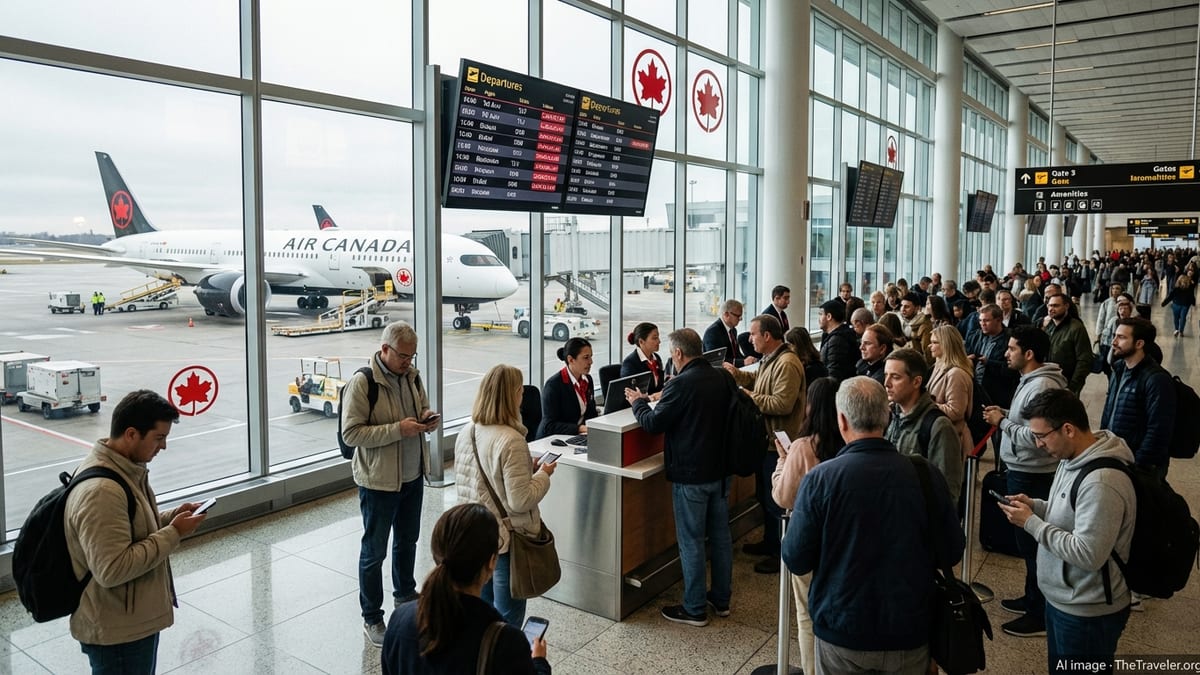
Emergency airlift launched after cockpit attack
The special flights follow an in-flight attack on September 30, 2026, aboard FlyDubai flight FZ1073 from Dubai to Tel Aviv, when the copilot allegedly assaulted the captain and tried to crash the aircraft. Publicly available accounts describe the Boeing 737 plunging thousands of feet before injured crew and passengers managed to overpower the attacker and stabilize the plane.
The United Arab Emirates, where FlyDubai is based and where the aircraft is registered, has opened a formal investigation into the incident. According to published coverage, authorities in Israel, the UAE and Saudi Arabia are examining whether the attack was an act of terrorism, as well as reviewing how the copilot was cleared to operate a flight with a large number of Israeli passengers on board.
In the immediate aftermath, FlyDubai suspended its Tel Aviv route while the inquiry proceeds. This decision cut a key air link for Israeli travelers who had flown to Dubai and other Emirates on the low-cost carrier, leaving many without an immediate way home just as the busy travel corridor marked by the 2020 normalization agreements was entering a peak period.
Israel’s government responded by authorizing a series of one-way repatriation flights from Dubai and other UAE airports, operated by Israeli airlines instead of FlyDubai. The program is designed primarily to return citizens and residents whose original return bookings were unexpectedly canceled.
Israeli airlines step in to cover suspended route
According to Israeli and regional media, carriers El Al, Arkia and Israir were cleared to run special services beginning Friday, October 2, operating one-way flights from the UAE to Ben Gurion Airport near Tel Aviv. Schedules published by the airlines indicate that these flights are dedicated to repatriation, with seats made available first to those whose tickets on FlyDubai were disrupted.
Reports from Dubai describe Arkia as among the first to launch operations, with an outbound aircraft arriving in the UAE to collect stranded passengers following Israeli government approval. Subsequent flights are being adjusted in coordination with aviation authorities as demand becomes clearer, and some planned services have already seen last minute timing or operational changes.
Passenger manifests for the repatriation program focus on Israeli nationals and other travelers originally booked on FlyDubai’s now-suspended Tel Aviv services. Coverage in Israeli outlets notes that many passengers had been staying in Dubai hotels for two or three extra nights at their own expense or under special rates negotiated by tour operators, while they awaited clarity on how and when they could leave.
The temporary airlift underscores the importance of the Dubai–Tel Aviv corridor, which has grown into a busy route for tourism, religious travel, business trips and onward connections across Asia and Europe. Before the incident, FlyDubai had operated multiple daily flights between the cities, complemented by services from Israeli airlines.
How stranded travelers are being processed
Publicly available information indicates that passengers whose return journeys were booked on FlyDubai are being asked to coordinate through the airline or their travel provider, rather than going directly to the airport without confirmation. Israeli media report that lists of eligible travelers have been compiled based on canceled reservations, with priority given to those who were scheduled to return shortly after the incident.
In practice, this means many travelers are dealing with multiple intermediaries. Tour groups and package-holiday companies are managing block bookings on the repatriation flights, while individual travelers with direct FlyDubai tickets are relying on contact centers and digital notifications. Travel agents in both Israel and the UAE are working to reissue documents that place their clients on El Al, Arkia or Israir services in lieu of the original FlyDubai leg.
Most of the special flights are currently operating without checked luggage belonging to the stranded passengers. According to Israeli press reports, passengers have been instructed to travel home with hand baggage only, while a separate operation retrieves stored suitcases and cargo left behind when FlyDubai suspended flights.
This separation of passengers and luggage is intended to speed the repatriation process and simplify security checks. However, it leaves many travelers facing an additional waiting period after they return home, before their belongings are transported back from Dubai and processed through Israeli customs.
Security, luggage and coordination challenges
The incident has prompted a complex security response on both sides of the corridor. News coverage in Israel states that defense and transport authorities are coordinating closely with their Emirati counterparts on screening protocols for the repatriation flights, even though these services are operated by Israeli airlines departing from UAE airports rather than by FlyDubai itself.
One dimension of the operation involves baggage. Israeli media report that separate cargo aircraft have been tasked with flying from Israel to Dubai to collect checked luggage left behind by passengers when FlyDubai flights were halted. This arrangement reflects a decision that the priority in the first phase is to return people, while belongings follow on dedicated freight sectors that can be screened and tracked independently.
The FlyDubai attack has also raised broader questions about pilot vetting, mental health screening and data-sharing between security agencies and airlines. Investigative pieces published over the past several days describe how the copilot had been flagged in the past for extremist-related concerns, yet continued to fly commercial routes. Aviation experts quoted across various outlets argue that regulators may now revisit how background information is exchanged and reviewed when crew operate flights into sensitive destinations.
For travelers, the immediate impact is more tangible: additional layers of questioning at airports, longer processing times at boarding gates and stricter rules on what can be carried in cabin baggage on the special flights. Reports from passengers returning to Israel describe a highly controlled boarding environment, with repeated document checks and visible coordination between local airport staff and security teams connected to the Israeli carriers.
What affected passengers should know now
As of the first weekend of October 2026, media monitoring shows that the repatriation program remains in active operation, although the number and timing of flights can vary from day to day. Some stranded passengers have already reached Israel on the initial El Al and Arkia services, while others continue to wait in the UAE for space to open up.
Travel coverage indicates that affected passengers should first verify their booking status directly with FlyDubai, their travel agent or their tour company, which in turn can handle coordination with the Israeli carriers. Without updated confirmation, travelers may not be accepted for boarding on the special flights, even if they manage to reach the airport.
Those with flexible travel plans who are not on organized tours may also explore alternative routings using other international carriers via third countries, provided they hold the necessary visas and have confirmed tickets. However, for most Israeli tourists and business travelers who originally booked a straightforward round trip between Tel Aviv and Dubai, the designated repatriation services are expected to be the primary way home until FlyDubai or another UAE carrier resumes direct operations.
Officials in both countries are under pressure from the travel industry to restore regular commercial services as soon as the investigation allows, given the economic significance of the air link. Until that happens, the ongoing repatriation flights serve as a stopgap measure to clear the current backlog and reassure travelers that, even amid a serious aviation security scare, dedicated options exist to return home.