


More news on this day
Severe flash floods in Nepal’s northern Rasuwa district on August 26, 2026 have torn through key Himalayan corridors to Langtang and the Tibet border at Rasuwagadhi, disrupting tourism flows and leaving hundreds of domestic and international travelers temporarily out of contact.
Get the latest news straight to your inbox!
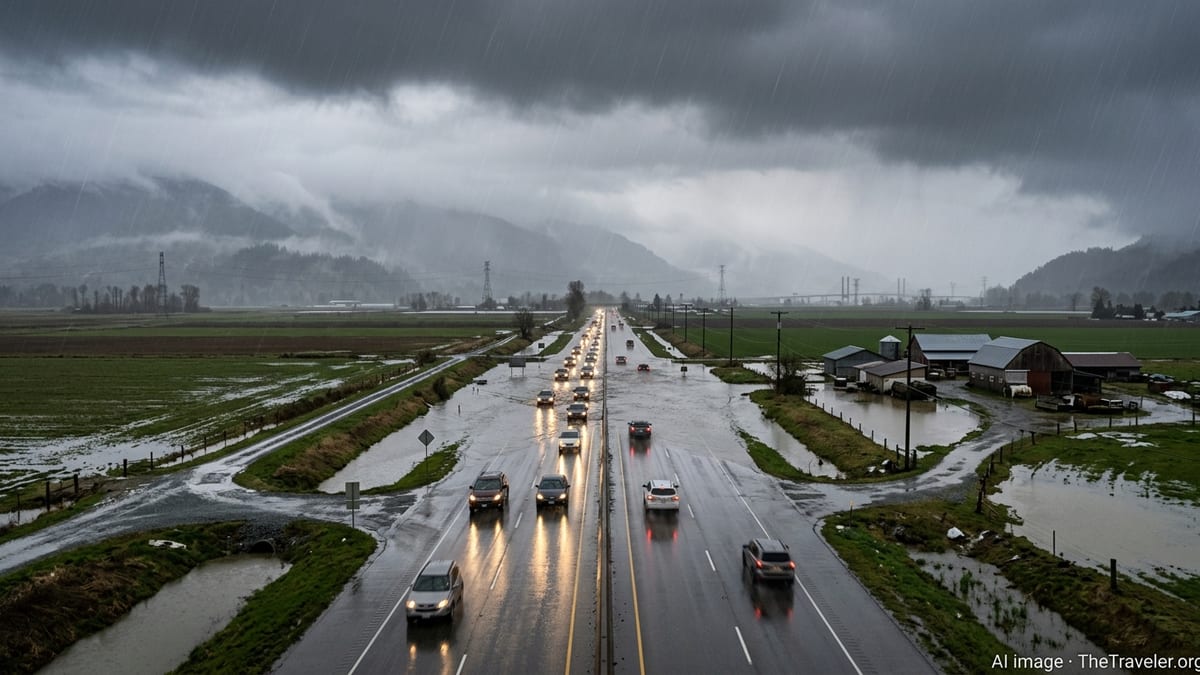
Flash Floods Strike Rasuwa and Border Zone
Published coverage indicates that a sudden surge in the Bhote Koshi river system entered Nepal from the Tibet side on August 26, sweeping through the Rasuwa district near the Rasuwagadhi Kerung border crossing. Visuals shared by regional media and social platforms show torrents of debris-laden water hitting roadside settlements and trading points along the narrow valley.
Reports from national news outlets describe extensive damage to riverside markets and settlements including Syabrubesi and Timure, which function as gateways for both trekkers heading toward Langtang National Park and pilgrims traveling overland toward Mount Kailash in Tibet. The force of the water has undermined road sections, swept away vehicles and disrupted power and communication links along parts of the corridor.
According to published tallies compiled on August 26, the death toll in Rasuwa and neighboring districts has climbed to dozens, with significantly more people still missing. Rescue and assessment teams are contending with blocked roads, unstable slopes and continuing monsoon weather, factors that are slowing efforts to reach all affected communities.
Early analyses circulating among hazard watchers suggest that the event may be linked to an upstream outburst in the high Himalaya, similar to past surges that have affected the same river system and the border zone with China. Detailed scientific confirmation is still pending, but satellite comparisons and river behavior described in situation updates point to a sudden release of water and debris from higher altitude.
Hundreds of Tourists Out of Contact
The Rasuwa corridor is one of Nepal’s busiest seasonal routes for both trekking and pilgrimage. Publicly available data from tourism agencies indicate that at least 384 tourists are currently classified as “out of contact” following the floods, including foreign nationals and Nepali visitors traveling to Gosainkunda and toward Kailash Mansarovar via the Kerung road.
Travel advisories issued on August 26 highlight that the majority of those uncontactable travelers were moving through Rasuwa with organized trekking and pilgrimage companies. Many were reported to be in transit between Kathmandu, Syabrubesi, the high lakes of Gosainkunda and the Tibetan plateau when the flood hit and communications went down.
Consular notices from several governments reference the same figure and advise their nationals to avoid non essential travel in the affected districts. Travelers already in the region are being urged to stay in place where safe, remain in close contact with tour operators or accommodation providers, and follow local instructions on road closures and evacuation points.
While the number of tourists directly injured remains unclear, agencies monitoring the situation stress that “out of contact” does not necessarily mean missing or harmed. Many trekking lodges and settlements in the Langtang region rely on intermittent power and basic mobile coverage even in normal conditions, and widespread infrastructure damage has temporarily cut many of these links.
Langtang Trekking Access Severely Disrupted
The flood struck at Syabrubesi and along the Pasang Lhamu Highway, the standard road approach for the popular Langtang Valley trek. Local trekking updates issued on August 26 report that road access to Syabrubesi is currently heavily disrupted, with landslides, washed out sections and damaged bridges along the Rasuwa road corridor.
Specialist trekking operators tracking the situation recommend that upcoming treks to the Langtang region be postponed or placed on hold until engineers and local authorities can properly assess the damage. These advisories emphasize that the core high mountain trails inside Langtang National Park may not be uniformly affected, but that reaching the trailhead safely from Kathmandu is presently the main constraint.
In recent years, Langtang had re-emerged as one of Nepal’s top three trekking regions in terms of visitor numbers, benefitting from rebuilt lodges and improved infrastructure after the 2015 earthquake. The latest floods now raise short term concerns about bridge stability, trail safety near rivers and the condition of village infrastructure in lower stretches of the valley that are closest to the Bhote Koshi and its tributaries.
Trekking-focused travel advisories for Nepal note that this event underlines the heightened monsoon season risks for road based approaches across the central Himalaya. Even in areas where trails remain intact, delays on highway segments like the Galchhi Nuwakot Rasuwa Syabrubesi road can significantly disrupt itineraries and emergency evacuation options.
Tibet Border Crossing and Trade Routes Hit Again
Rasuwagadhi Kerung is one of Nepal’s three principal overland trade and travel links with China, and it has already experienced repeated disruption from floods and landslides over the past two monsoon cycles. Background coverage on the corridor shows that a destructive flood in July 2025 destroyed the key Miteri Bridge at Rasuwagadhi and led to a prolonged closure, followed by phased road repair and partial reopening.
By early 2026, the border point had reportedly returned to full operation for cargo and limited passenger movement, with authorities planning staged closures of the Syabrubesi Rasuwagadhi road section for additional reconstruction work. The latest flash flood now appears to have damaged sections of this same corridor once more, raising fresh questions over the reliability and resilience of the route as both a trade artery and a tourism lifeline.
Trade focused reporting from late July 2026 had already highlighted that none of Nepal’s three main China trade points were operating at normal capacity because of earlier landslides and lingering flood damage. With the new surge in the Bhote Koshi system, logistics experts expect further delays, diversions to alternative crossings where feasible, and temporary suspension of overland tourist traffic to Tibet from Kathmandu.
Overland pilgrimage tours to Mount Kailash that rely on the Kerung crossing are among the most directly affected tourism products. Operators are likely to shift departures to other international gateways or postpone trips while the structural integrity of roads and bridges on both sides of the border is reassessed.
Advice for Travelers Planning Nepal’s Autumn 2026 Season
International travel advisories updated on August 26 urge visitors to avoid non essential movement along key highways linked to the Rasuwa corridor, including the main routes from Kathmandu toward Syabrubesi and the border. Prospective trekkers and pilgrims are being advised to review itineraries for the early autumn season and be prepared for rerouting, postponement or destination changes.
Trekking information resources recommend that those considering Langtang, Gosainkunda, Manaslu or other northern routes departing from Kathmandu stay in close touch with reputable local agencies that can access on the ground updates. Travelers are encouraged to avoid starting overland journeys toward affected districts until restrictions are lifted and road conditions have been independently verified.
For visitors already in Nepal, contingency planning is being strongly emphasized. This includes allowing additional buffer days in itineraries for potential road delays, carrying flexible tickets where possible and considering alternative trekking regions less exposed to the current flood corridor, such as parts of the Annapurna region that remain accessible from Pokhara rather than the Rasuwa road.
Travel safety guidance also highlights the importance of travel insurance that explicitly covers natural hazards, evacuation and trip interruption in mountainous regions. As assessments of the Rasuwa flood impact continue, autumn 2026 travelers to Nepal are being urged to track official advisories and independent updates closely before committing to journeys into the country’s northern border districts.
Onlinekhabar: Rasuwa floods and tourists out of contact
The Kathmandu Post: Update on Rasuwa flood impact
SafeTravel advisory: Nepal flash flooding