


More news on this day
Italy is contending with another bout of air travel disruption as two CityJet services and more than sixty other flights linked to Milan Malpensa Airport are cancelled or heavily delayed, leaving passengers stranded across Europe, North America, the Middle East and North Africa, according to new operational data and travel rights reports.
Get the latest news straight to your inbox!
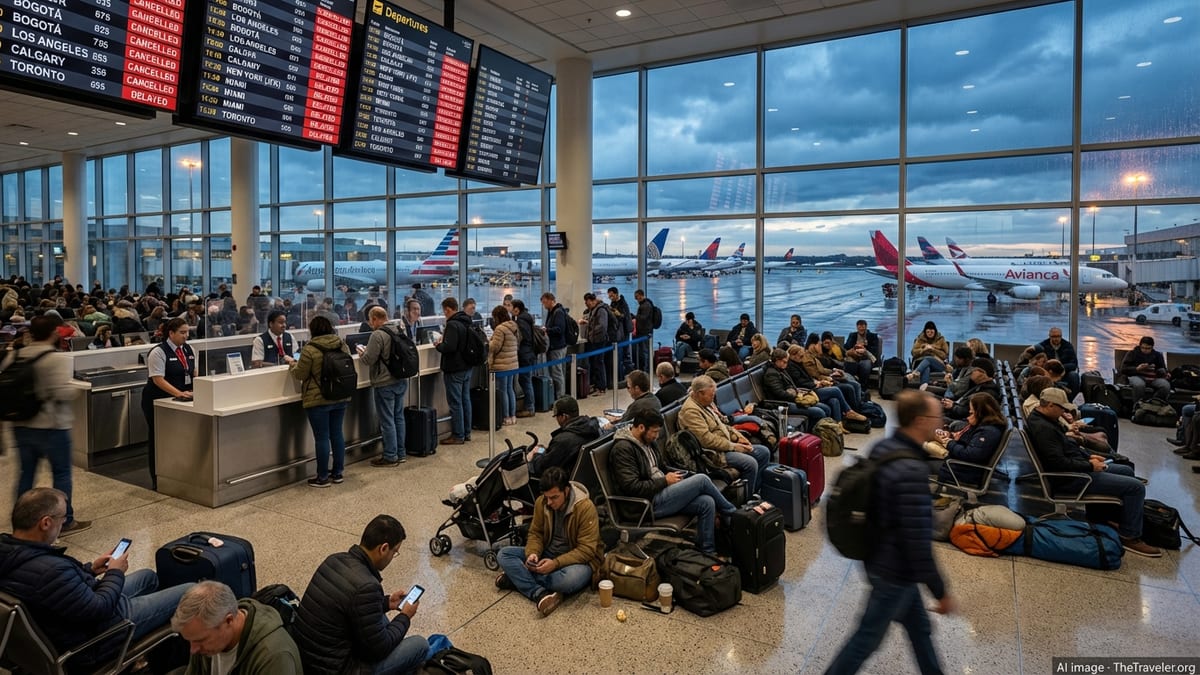
Fresh Operational Turbulence at Italy’s Busiest International Hub
The latest disruption centres on Milan Malpensa, a key Italian gateway for long haul and European traffic and one of the country’s busiest international hubs. Operational summaries and passenger-rights briefings indicate that CityJet has cancelled two services connected with Malpensa, while a wider wave of schedule problems has pushed at least sixty-two further flights into significant delay or rolling rescheduling.
Publicly available tracking data and consumer advocacy updates point to a pattern of irregular operations affecting both regional and longer routes, similar to recent episodes seen at Copenhagen and other European hubs, where a relatively small number of cancellations triggered wider knock-on delays throughout the day. In this case, Malpensa’s role as a transfer point for onward connections to North America, the Middle East and North Africa has amplified the impact beyond Italy’s borders.
While the precise operational trigger varies by airline and route, travel disruption experts note that crew rotation limits, aircraft availability, congested airspace and local handling constraints can combine quickly into a cascade of missed departure slots and extended ground holds. Once rotations begin to slip, airlines often face difficult choices between cancelling select frequencies outright or allowing delays to propagate across their networks.
Malpensa has experienced repeated bouts of disruption in recent seasons, from strike-related cancellations to infrastructure constraints, and the airport’s overall delay profile has drawn regular scrutiny in European punctuality statistics. The current wave adds to a growing perception among frequent flyers that northern Italy’s main gateway has become particularly vulnerable to wider system shocks.
Passengers Stranded Across Europe, North America and MENA
The cancellations and delays associated with CityJet and other carriers at Malpensa are being felt far beyond Lombardy. Network data and publicly shared passenger experiences indicate that knock-on disruption has reached hubs in northern and southern Europe, as well as key long haul markets in North America, the Middle East and North Africa, where aircraft and crews are operating out of position.
Services between Italy and major European cities such as Paris, London, Amsterdam, Frankfurt, Madrid and Barcelona are among those most exposed when Malpensa suffers irregular operations, given their role in feeding onward flights. Missed connections on these sectors can leave passengers stranded overnight or rerouted through third countries as airlines attempt to reconstruct itineraries at short notice.
On transatlantic and Middle Eastern routes, even a single delayed departure from Milan can have outsized consequences. Aircraft that should be turning quickly back to North America or the Gulf region may arrive several hours late, triggering crew duty-time limits and forcing airlines to reassign metal or reschedule entire rotations. For travelers, that often translates into long waits in transit lounges and last-minute changes to arrival times or even destination airports.
In North Africa and parts of the Middle East, where direct links to Italian airports function as important bridges for business and diaspora traffic, extended delays can disrupt onward ground transport and local accommodation plans. Travel advisers caution that passengers connecting through Malpensa to these regions should anticipate possible schedule volatility while airlines work through the latest backlog.
What Travelers Can Expect at Milan Malpensa in the Short Term
With CityJet removing two flights from its schedule and multiple other carriers reporting significant delays around Malpensa, travelers flying to or from the airport in the coming days are being advised by consumer information services to build extra time into itineraries and to monitor their bookings closely via airline apps or airport departure boards.
Recent disruption patterns in Europe show that operational stress at a single hub can linger beyond the initial incident, particularly where aircraft and crews remain out of normal rotation. Even after punctuality begins to improve, some flights may still depart with residual delays as airlines reposition aircraft, clear maintenance backlogs and align staffing rosters with revised schedules.
Passengers connecting at Malpensa are being encouraged to avoid tight minimum connection times, especially on itineraries that combine low cost and full service segments on separate tickets. Travel planners note that self-connecting passengers are particularly exposed when irregular operations unfold, because reprotection options can be more limited and may involve additional out-of-pocket costs.
For travelers already at the airport, independent guidance emphasizes the importance of staying informed about gate changes, revised boarding times and the status of checked baggage in the event of itinerary changes. Given Malpensa’s size and split-terminal layout, long walks or shuttle transfers between gates can further compress already tight boarding windows once delayed flights are finally ready to depart.
Rights, Compensation and Practical Steps for Affected Passengers
Despite the operational complexity behind the latest issues at Milan Malpensa, travelers affected by cancellations or long delays retain a series of protections under European passenger rights rules. Independent advisory sites outline that, for flights departing from an EU airport or operated by an EU carrier, passengers may in some cases be entitled to fixed-sum compensation in addition to rerouting or refunds, depending on distance, delay length and the cause of disruption.
Consumer advocates stress that airlines remain responsible for offering an alternative journey or a refund when a flight is cancelled, and that they may also be required to provide meals, refreshments and, in some instances, hotel accommodation during extended waits. Passengers are frequently advised to keep receipts for any additional expenses incurred while stranded, as some costs can be reclaimed later where carriers’ obligations apply.
For those impacted by the latest CityJet cancellations or by the wider pool of delayed services at Malpensa, travel law specialists commonly recommend documenting the disruption in detail, including boarding passes, booking confirmations, written communication from airlines and screenshots of departure boards or app status messages. Such records can prove useful if claims are disputed or if passengers choose to seek assistance through third-party compensation services.
Travelers are also encouraged to review the specific conditions of carriage for their airline, as well as any protections attached to their method of payment. Many credit cards and standalone travel insurance policies offer supplemental benefits in cases of severe delay, missed connection or forced overnight stays, which can help to cover costs not reimbursed by carriers.
Wider Questions Over Resilience in Italy’s Air Travel Network
The fresh disruption at Malpensa arrives amid broader questions about the resilience of Italy’s air travel infrastructure. The country’s northern airports have faced a mix of challenges in recent years, including strike action by ground handling staff, infrastructure works affecting rail access, and periodic congestion as traffic has rebounded strongly on both leisure and business routes.
Analysts who track European punctuality and delay metrics point out that Malpensa regularly appears among the continental hubs with elevated levels of late-running services, reflecting its high traffic density and its reliance on complex aircraft rotations. When adverse weather, staffing shortages or technical issues arise, the margins for absorbing shocks can be slim, and delays can quickly ripple outward across the network.
Regional planning documents and aviation studies have underlined the strategic importance of ensuring that Italy’s main international gateways, including Malpensa, are equipped to handle continued demand growth without repeated episodes of severe disruption. Suggested measures range from investment in ground infrastructure and improved rail connectivity to enhanced coordination between airlines, handlers and air navigation services.
For now, the immediate priority for passengers and carriers remains managing the latest wave of irregular operations. As CityJet and other airlines adjust schedules and work to restore punctuality at Malpensa, travelers across Europe, North America, the Middle East and North Africa are again reminded of how quickly disruption at a single hub can reverberate through the global aviation system.