


More news on this day
Etihad Rail’s long-anticipated passenger trains have begun reshaping how people move across the United Arab Emirates, with strong early demand on the new Abu Dhabi to Fujairah route signaling a shift in domestic travel habits.
Get the latest news straight to your inbox!
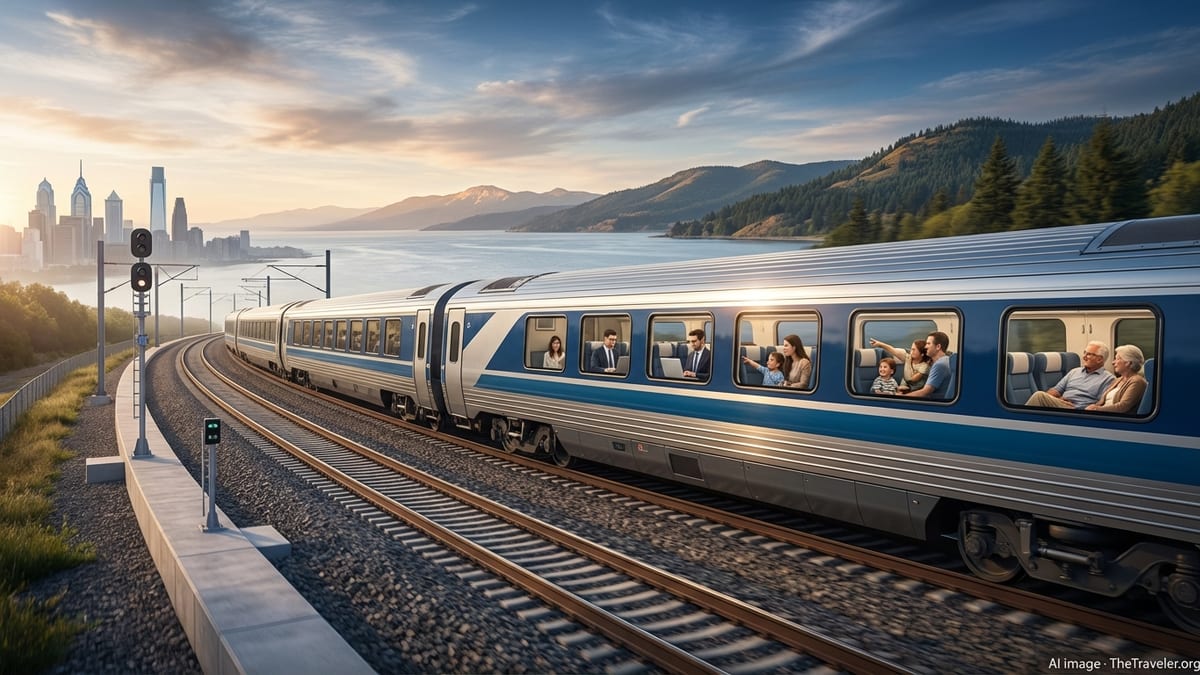
First National Passenger Route Marks New Era for UAE Travel
The launch of Etihad Rail’s inaugural passenger services on June 30, 2026, between Abu Dhabi’s Mohamed bin Zayed City station and Fujairah marked a historic moment for the country’s transport landscape. Publicly available information shows that the journey time of around 1 hour 45 minutes offers a competitive alternative to the cross-country drive, particularly for travelers seeking a predictable timetable and relief from highway traffic.
The first day of operations featured multiple scheduled services on the route, with trains designed to run at up to 200 kilometers per hour on sections of the national rail network. Reports indicate that the initial phase is being treated as an introductory operational period, allowing the operator to fine-tune schedules, passenger services and station procedures ahead of a wider rollout later in 2026 and 2027.
Etihad Rail’s passenger trains have been developed as part of the broader UAE Railway Programme, which spans approximately 1,200 kilometers from the Saudi border to Fujairah on the east coast. Freight operations have been active for several years, and the arrival of passenger services is seen as the next major step in integrating rail into everyday life across the federation.
According to published coverage and corporate materials, each passenger train can accommodate about 400 travelers and is configured with multiple classes, onboard catering, and modern comfort features aimed at attracting commuters, tourists and business travelers who previously relied on cars and buses.
Ticket Sales, App Downloads Highlight Surging Demand
Early indicators suggest that domestic appetite for long-distance rail travel is strong. Local media reports from late June describe thousands of tickets being sold within days of sales opening, with one widely cited figure noting more than 5,000 tickets snapped up in the first 48 hours for services beginning June 30. Demand has been concentrated on the Abu Dhabi to Fujairah corridor as residents test the new option for weekend leisure trips and business journeys.
The Etihad Rail mobile application, launched in tandem with ticket sales, quickly rose into the country’s most-downloaded free apps on major platforms, according to regional news coverage. The app allows travelers to search schedules, reserve seats and manage bookings, while also serving as a key channel for service updates as additional routes open.
Pricing has also been in the spotlight. Promotional one-way fares starting from about 55 dirhams have been widely referenced in local reporting, positioning rail as a mid-range alternative between intercity buses and higher-cost private car travel. Commentaries in regional outlets note that future fare products are expected to target frequent travelers, students and commuters, suggesting that demand management and affordability will be central to long-term ridership growth.
Public discussions on social platforms reflect both enthusiasm and practical concerns. Many residents welcome a cleaner and more relaxing option for cross-emirate trips, while others point to station locations outside traditional urban cores and onward taxi or bus travel times as key factors that will shape everyday use. These early reactions underline how demand is connected not only to ticket prices and speeds, but also to last-mile connectivity.
Phased Expansion to Dubai, Sharjah and Al Dhafra
The Abu Dhabi–Fujairah launch is only the first stage of a more extensive passenger network that will eventually stretch across all seven emirates. Corporate announcements and press reports outline a phased opening plan that brings additional stations online over the coming months. Services to new stations in Dubai and Al Dhaid are expected to commence around September 30, 2026, followed by stations in the Al Dhafra region by the end of the year.
Beyond the initial openings, Etihad Rail has previously highlighted an 11-station national passenger network, linking major cities and strategic hubs such as Sharjah and university districts. Planning documents and transport sector analyses describe target journey times of roughly 50 minutes between Abu Dhabi and Dubai and about 100 minutes between Abu Dhabi and Fujairah once the network is fully optimized.
Transport-focused publications also note that the UAE passenger rail system is being designed with potential future integration into the wider Gulf Cooperation Council railway, which aims to connect the UAE with Saudi Arabia, Oman and other neighboring states. While regional links remain a longer-term prospect, the domestic network now emerging is seen as the backbone for any cross-border passenger flows.
As stations and routes open in phases, residents in additional emirates are expected to test rail as an alternative to long-distance car journeys along major highways. Tourism stakeholders have highlighted opportunities for multi-emirate itineraries built around rail access to coastal resorts, cultural sites and mountain landscapes that may previously have required long drives.
Shifting Modal Choices, Sustainability and Urban Mobility
Etihad Rail’s passenger services arrive at a time when transport planners across the UAE are focusing heavily on congestion, emissions and the overall resilience of mobility networks. National strategy documents and economic reports characterize rail as a central pillar in reducing road freight volumes, cutting greenhouse gas emissions and improving safety by diverting long-distance traffic from busy highways.
The passenger project builds on this rationale by encouraging more residents and visitors to choose rail over private cars for intercity journeys. Industry analyses suggest that each full train could remove several hundred cars from the road on a given trip, particularly on popular weekend and holiday routes. When combined with the country’s growing metro, tram and bus systems, the railway is expected to contribute to a more balanced and diversified transport mix.
Environmental and economic assessments published by UAE authorities in recent years project that the broader railway programme could generate tens of billions of dirhams in long-term benefits, including lower logistics costs, higher productivity, and improved regional connectivity. Passenger rail, in particular, is associated with gains in labor mobility, tourism spending and quality of life for residents who commute or travel frequently between emirates.
Observers also note that the new trains are designed with energy-efficient systems, advanced signaling and stringent safety measures, aligning with the country’s wider sustainability objectives. The use of rail for both passengers and freight is seen as a way to support the UAE’s climate commitments while keeping pace with rapid population growth and rising demand for mobility.
What the New Rail Experience Offers Travelers
For travelers, the Etihad Rail passenger experience is being marketed as a comfortable, reliable alternative to driving long distances. Official materials highlight air-conditioned carriages, spacious seating in multiple classes, power outlets and onboard food and beverage options. The ability to work, relax or socialize while avoiding traffic is being positioned as a major selling point for commuters and business travelers.
Stations have been designed to function as modern intermodal hubs, with facilities such as cafes, retail outlets and waiting lounges. Published coverage of the newly opened Mohamed bin Zayed City station in Abu Dhabi describes a layout oriented around easy access to pick-up and drop-off areas, as well as future integration with local public transport and taxi services. These features are intended to help travelers complete “first and last mile” segments more seamlessly.
For leisure travelers, the first Abu Dhabi–Fujairah route creates a new option for beach and mountain getaways on the east coast. Travel industry observers anticipate that package deals combining rail tickets with hotel stays, tours and attractions could follow as operators seek to tap into the novelty and convenience of inter-emirate train journeys.
As the phased rollout continues and new segments come online, the performance of the Abu Dhabi–Fujairah route will remain a key indicator of how quickly UAE residents embrace long-distance rail. Early demand patterns, feedback on station access and the evolution of pricing and schedules are all likely to influence how transformative Etihad Rail ultimately becomes for everyday travel across the country.