


More news on this day
A new daily service between Dubai and Bangkok’s Don Mueang International Airport is opening fresh opportunities for Middle Eastern travelers to explore Thailand, strengthening air links at a time when the kingdom is seeking higher-value, longer-stay visitors.
Get the latest news straight to your inbox!
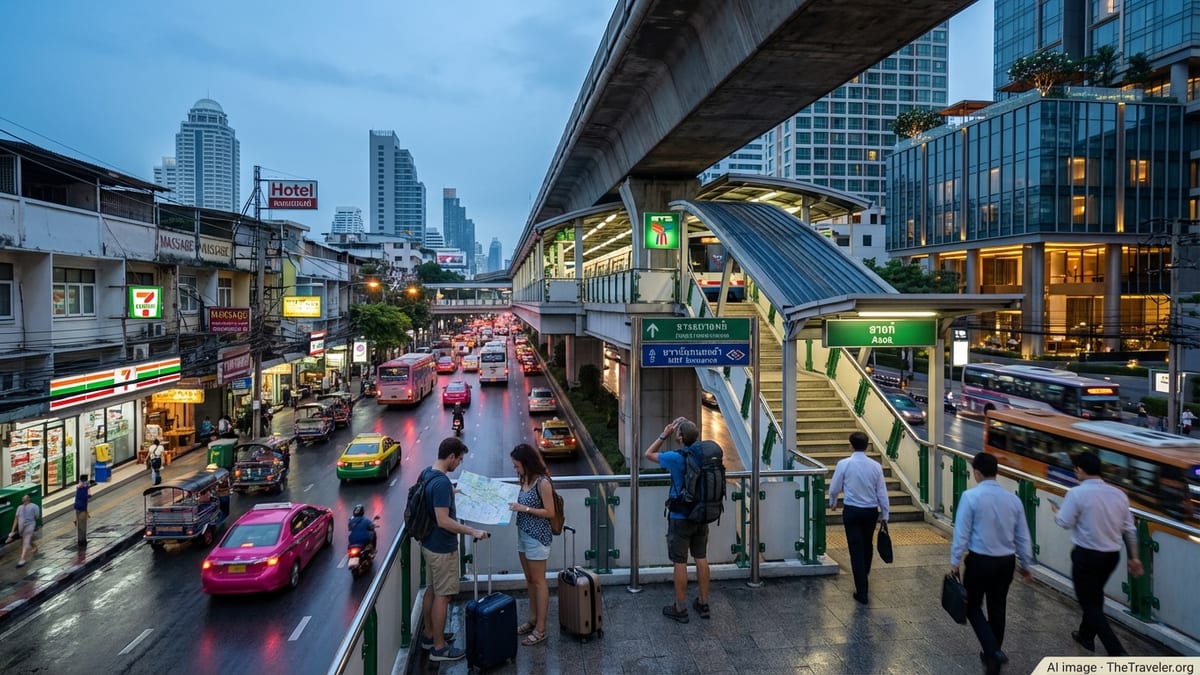
New Gulf–Bangkok Link Adds Second Gateway to the Capital
The latest route, launched by Dubai based carrier flydubai on 1 July 2026, connects Dubai International with Bangkok’s Don Mueang International Airport, creating a second entry point to the Thai capital alongside long established services into Suvarnabhumi Airport. Publicly available information from the airline indicates that the flight operates daily and complements its existing operations to Krabi, broadening Thailand coverage from the Gulf.
The new service is positioned to appeal to both leisure and business travelers in the Middle East by offering direct access to northern and central Bangkok from Don Mueang. Industry updates highlight that the airport’s location and transport links make it an attractive option for visitors heading quickly into the city’s older districts, such as Dusit and Chatuchak, as well as for those planning immediate connections to domestic low cost carriers.
For Thailand, the additional daily frequency from Dubai supports broader tourism recovery goals. Official tourism strategy documents show that authorities are targeting higher spending international visitors in 2026, aiming for tourism revenue growth of around 7 percent compared with 2025 and highlighting improved air connectivity as a key enabler of that objective.
The route also reinforces Dubai’s role as a major transfer hub for travelers from the wider Gulf and neighboring markets such as Saudi Arabia and Kuwait, where outbound demand for Southeast Asian beach and city breaks has remained resilient despite geopolitical uncertainty.
Bangkok Remains the Primary Magnet for Middle Eastern Visitors
Bangkok continues to anchor Thai travel itineraries for Middle Eastern visitors, supported by dense long haul schedules into Suvarnabhumi from full service Gulf carriers and regional airlines. Network documents and airline fact sheets show that Qatar Airways, Emirates, Etihad Airways and others maintain multiple daily connections between Doha, Dubai, Abu Dhabi and Bangkok, helping sustain the city’s status as one of the world’s most visited urban destinations.
Recent tourism assessments released by Thai authorities indicate that Bangkok welcomed more than 30 million international visitors in 2025, underlining its enduring draw for shopping, dining and medical tourism. Travelers from the Gulf are particularly attracted to the city’s luxury hotel stock, halal friendly food scene and growing portfolio of wellness clinics and hospitals that market intensively in the Middle East.
The opening of a new Don Mueang link from Dubai is expected to distribute arrivals more evenly across Bangkok’s two airports. Travel industry analysts suggest this could ease pressure on Suvarnabhumi at peak times while creating new package options that combine arrivals at one airport and departures from the other, paired with rail or domestic air segments to the rest of the country.
Despite recent flight disruptions related to tensions in the Middle East, Thailand’s tourism agencies have reiterated their long term focus on Gulf markets. Strategic plans framed under the country’s “New Thailand” tourism vision emphasize diversification of source markets, but still recognize the Middle East as an important contributor of longer stay, higher expenditure visitors.
Krabi, Phuket and Southern Beaches Climb the Wish List
Beyond Bangkok, southern beach destinations are rising on the agenda for Middle Eastern travelers, supported by direct and one stop connections that pair the Gulf with Thailand’s Andaman and Gulf of Thailand coasts. Flydubai already links Dubai with Krabi, while major network carriers route passengers to Phuket and other resort gateways via Bangkok or regional hubs in Asia.
Tourism performance reports from Thailand highlight that Phuket and Krabi remain among the strongest performing provinces in terms of hotel occupancy and average daily rate, particularly in the high season months when visitors from the Gulf often seek milder climates and family oriented resorts. Many properties in these areas now promote halal options, private pool villas and wellness programs designed to appeal to Middle Eastern guests.
Industry research notes that the combination of a city stay in Bangkok followed by beach time in Krabi or Phuket is especially popular among multi generational groups from the Gulf. The new Dubai–Don Mueang service is likely to reinforce this pattern by making it easier to connect quickly onto domestic flights operated from Bangkok’s two airports, including those to Krabi, Phuket and Surat Thani for onward travel to islands such as Ko Samui and Ko Pha Ngan.
Thai tourism planners see these southern destinations as central to efforts to increase visitor spending rather than simply pushing for higher arrival numbers. Official messaging emphasises experiences built around marine tourism, diving, wellness and community based stays, potentially aligning well with affluent Middle Eastern travelers who seek privacy and tailored services.
Rising Interest in Chiang Mai and Secondary Heritage Cities
Improved connectivity via Bangkok is also stimulating interest in northern and secondary Thai destinations among travelers from the Middle East. While there are currently no nonstop flights from the Gulf to Chiang Mai, public schedules show frequent domestic services linking the northern city with both Bangkok airports, shortening total journey times from Dubai, Doha or Abu Dhabi.
Tourism outlook publications for Thailand note that Chiang Mai has been earmarked as a growth market for cultural, wellness and eco tourism, with investments flowing into boutique hotels, mountain retreats and wellness centers. These products are gaining visibility in Gulf markets through travel fairs and tour operator partnerships, where Chiang Mai is promoted as a cooler climate alternative to the south, especially attractive during the Middle Eastern summer.
Secondary heritage cities such as Ayutthaya and Sukhothai, both reachable via short domestic flights or overland trips from Bangkok, are also appearing more frequently in regional tour itineraries marketed in the Gulf. Reports on short haul tourism trends indicate increasing interest in multi city journeys that combine Bangkok’s urban energy with historical sites and rural experiences.
As airlines refine schedules and add capacity, especially during peak travel periods around school holidays in the Gulf, tourism observers expect more customized itineraries that start or end in Bangkok but dedicate a larger share of nights to northern and central Thai destinations.
Strategic Timing as Thailand Targets Higher Value Tourism
The launch of the new Dubai–Bangkok Don Mueang route coincides with a significant shift in Thailand’s overall tourism strategy. Policy statements released in 2025 and 2026 outline plans to move from a volume driven approach to a “value over volume” model, with a focus on longer stays, higher per trip spending and more sustainable forms of tourism.
Government communications on the 2026 tourism outlook reference targets of more than 36 million foreign arrivals and revenue of nearly 2.8 trillion baht, built partly on expanding air connectivity, including new and restored services from the Middle East and other long haul regions. Short haul source markets in East Asia remain crucial, but planners increasingly highlight the role of Gulf visitors in diversifying revenue streams.
Analysts tracking airline capacity point out that Gulf carriers account for a significant share of seats into Thailand, particularly on routes feeding into Bangkok and southern resort areas. Even as regional tensions have temporarily disrupted some services, aviation and tourism briefings indicate that airlines and Thai agencies are preparing recovery campaigns aimed at restoring and expanding these links once conditions stabilize.
For Middle Eastern travelers, the growing web of routes into Thailand translates into greater choice of entry points, cabin products and fare levels. For Thailand, the new Dubai–Don Mueang service and similar developments strengthen the country’s connectivity to a core high value market at a pivotal moment in its tourism reset, while encouraging visitors to look beyond Bangkok to a wider range of Thai destinations.