


More news on this day
A new yellow fog warning has been issued for Essex, with publicly available forecasts indicating that visibility could fall below 100 metres from this evening into Tuesday morning, raising the risk of disruption on key road, rail and air routes serving the county.
Get the latest news straight to your inbox!
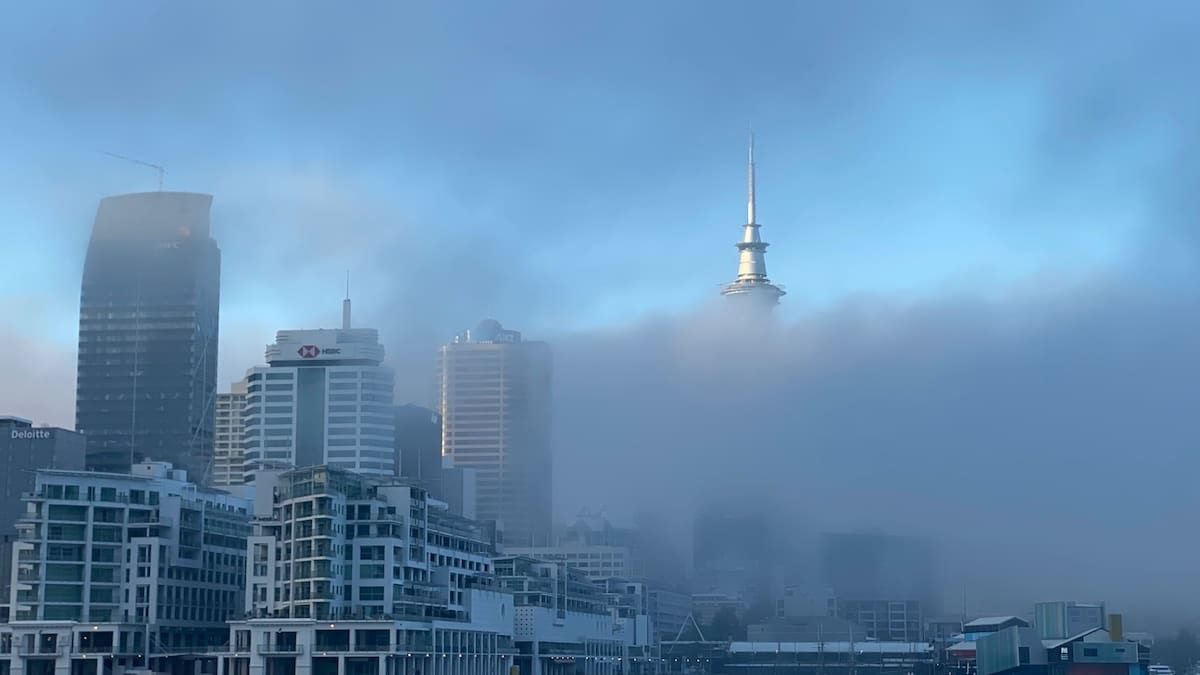
Yellow alert in force across Essex and eastern England
Publicly accessible Met Office data shows that a yellow warning for fog is in place across much of central and eastern England, including Essex, from 18:00 on Monday 9 November until 10:00 on Tuesday 10 November. The alert forms part of a wider spell of stagnant, moisture laden air that is encouraging fog to redevelop after dark and persist into the morning rush hour.
Within the warning area, the Met Office notes that fog will become dense in places overnight, with visibility reduced to less than 100 metres at times. Similar alerts have been in force repeatedly over recent days as high pressure traps cooler air at the surface and light winds prevent the fog from dispersing quickly once it forms.
Coverage from UK broadcasters highlights that the warning zone stretches from parts of Wales across the Midlands into East Anglia and the South East, bringing Essex into a broad corridor of poor visibility. The overlap of this alert with one of the busiest commuter belts in the country is increasing concern about morning travel conditions for both local journeys and longer distance trips into London and beyond.
Recent Met Office commentary indicates that as this spell of fog eventually clears later in the week, colder and more frosty conditions are likely to develop, but in the short term the immediate focus remains on the dense fog hazard itself.
Travel disruption expected on roads, rail and at airports
The yellow fog warning emphasises the potential for slower journey times, with delays to bus and train services considered possible while the dense patches persist. Publicly available travel advice warns that low visibility on the region’s key arteries, including the A12, A13, A127 and M25, could force drivers to reduce speed significantly and allow greater separation distances, particularly before sunrise.
Guidance linked from the Met Office and National Highways explains that drivers should use headlights when visibility is seriously reduced and consider switching on fog lights when they cannot see more than around 100 metres ahead. Motorists are also urged to be prepared for sudden changes in visibility, as fog can thicken quickly when moving between higher and lower ground or crossing river valleys.
Rail operators serving Essex have previously warned that thick fog can require trains to run at reduced speeds, particularly where drivers’ sighting of signals is affected. While no widespread cancellations have been reported for this latest warning period at the time of writing, operators are advising passengers to check live departure boards and allow extra time for their journeys.
Air travel may also feel the impact. Information published by forecasters and airline guidance notes that dense fog can lead to low visibility procedures at airports, occasionally causing delays or diversions if pilots are unable to meet landing minima. London Stansted, Southend and London City airports all lie close to or within the warning area, and passengers are being encouraged via public channels to monitor airline updates closely this evening and on Tuesday morning.
Why visibility is dropping so sharply
Meteorological briefings describe the current setup as a classic recipe for thick autumn fog. High pressure over the UK has produced clear skies and very light winds overnight, allowing heat to radiate away from the ground and temperatures at the surface to fall. As the air cools to its dew point, water vapour condenses into tiny droplets suspended in the air, creating fog.
Specialist guidance on visibility explains that fog is formally defined as reducing visibility to below 1 kilometre, while dense or thick fog refers to situations where drivers and pedestrians may struggle to see objects even 100 metres away. In the most affected parts of Essex, official assessments indicate that visibility could drop to around or even below this threshold for several hours.
Because winds are expected to remain light through the night and into Tuesday morning, the fog may prove slow to lift, particularly in low lying and inland areas away from the coast. Any weak November sunshine is unlikely to make a rapid impact before mid to late morning, meaning that at least part of the commuter period is likely to coincide with the harshest visibility reductions.
Weather analysts point out that this pattern has already repeated on several recent mornings, with reports of dense fog lingering well beyond the typical early rush hour window. With the latest warning extending through 10:00, travellers across Essex are being urged through public information channels to assume that murky conditions could persist for much of the morning school and work run.
Practical advice for drivers and other travellers
National Highways safety material recommends that anyone who must drive in thick fog should slow down, keep a greater distance from the vehicle in front and use dipped headlights so that they are visible without dazzling oncoming traffic. Fog lights can be switched on when visibility drops below 100 metres, but this guidance also stresses that they should be turned off again once conditions improve to avoid glare for other road users.
Motorists are advised to check that all lights, windscreen wipers and demisters are working before setting out, clear condensation from all windows and mirrors, and listen for traffic they may not be able to see at junctions. If visibility becomes too poor to continue safely, official advice suggests finding a safe place to pull over away from live traffic, such as a designated layby, and waiting for conditions to improve.
For rail and bus passengers, operators and transport agencies are using public updates to encourage travellers to verify services before departure and consider earlier or later journeys where possible to avoid peak periods. Those heading to airports in or near the warning zone are being urged by airlines and airport operators, via published statements and social media feeds, to arrive in good time and monitor flight status closely, as low visibility can lead to aircraft being held or diverted at short notice.
Travel organisations also note that pedestrians and cyclists are particularly vulnerable in thick fog. Reflective clothing, working bike lights and extra care at junctions can all help to improve safety where visibility drops sharply, especially during the busy school run in towns and villages across Essex.
Impact on daily life and upcoming conditions
The renewed fog warning arrives as many parts of Essex head into a working week of shorter daylight and rapidly cooling nights. Publicly available forecasts indicate that once the fog finally lifts, cloud and occasionally brighter spells are likely, but temperatures will feel cooler than average as the air mass remains relatively stagnant.
For businesses that rely on road transport, such as logistics operators and delivery firms, extended periods of low visibility can affect scheduling and add to costs. Industry commentary around previous fog events notes that drivers often have to build in additional journey time, while some time sensitive deliveries may be rescheduled to later in the day when conditions are expected to improve.
Schools and workplaces across Essex are not expected to close because of the fog, but travel planners highlight that staff and students may arrive later than usual where roads are congested or public transport is running more slowly. Employers are being encouraged, through general HR and safety guidance, to consider flexible start times or remote working where roles allow during periods of severe travel disruption.
Looking further ahead, Met Office outlooks suggest that as high pressure gradually shifts, colder and more settled conditions with overnight frost are likely to develop later in the week. For now, travellers in Essex are being urged through widely shared public forecasts and travel bulletins to keep a close eye on the latest updates and to plan journeys with the expectation of thick fog and sharply reduced visibility through Tuesday morning.