


More news on this day
Thick fog over south-west England has disrupted operations at Bristol Airport, with diversions, delays and a fresh Met Office warning prompting travellers to review flight plans and allow extra time for their journeys.
Get the latest news straight to your inbox!
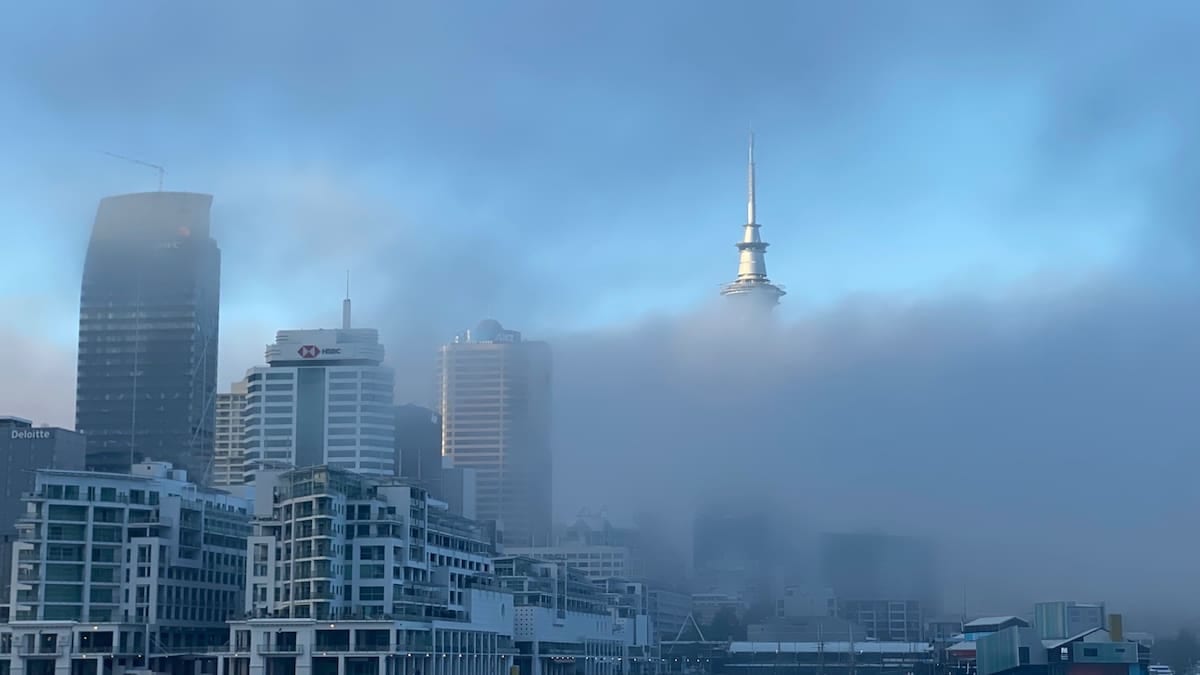
Flights Diverted As Visibility Drops Over Bristol
Publicly available flight data for 9 November 2026 indicates that a number of services to and from Bristol Airport have been affected by reduced visibility, with several morning arrivals diverted and one flight returning to its point of origin. Regional media reports describe three diversions and a turnback to Dublin after aircraft were unable to complete approaches in thick fog hugging the airfield.
Live tracking boards and third-party delay monitors during the late morning period showed a noticeable build-up of disruption. One analytics site recorded around 40% of arrivals and nearly 30% of departures operating behind schedule, with average delays running to about an hour while the worst of the fog lingered close to the runway.
Despite the visibility issues, data from aviation status dashboards and the airport’s own departure pages indicate that Bristol Airport has remained open, with a mix of on-time, delayed and a small number of heavily disrupted flights. Some departures, including services to major hubs such as Munich, have been listed as delayed indefinitely as airlines reshuffle schedules and wait for conditions to stabilise.
Passengers are being urged through airline channels, airport notices and media coverage to check their flight status before setting out, as timings have been subject to last-minute changes while the fog bank moves over the region.
Met Office Yellow Fog Warning Targets South West England
The current disruption follows the issue of a yellow weather warning for fog by the Met Office, covering large parts of south-west England through Monday morning. Forecasts for the Bristol Airport area highlight dense fog and mist, with visibility occasionally dropping to a few hundred metres in patches around the airfield.
The latest South West regional forecast points to fog reforming overnight and clearing only slowly after sunrise, raising the risk of delays not only for air travel but also for road users heading to and from the airport. Temperatures have been hovering around 4 to 6 degrees Celsius, with high humidity and light easterly winds creating favourable conditions for persistent low cloud.
Ahead of the current episode, specialist airport guides had already flagged the potential for weather-related delays, noting an earlier yellow fog warning at the start of November that similarly affected morning operations. Those advisories stressed that even when no formal closure is in place, low visibility can still trigger knock-on delays as aircraft and crews end up out of position.
The Met Office has signalled that further patches of fog are possible on subsequent nights this week, although the exact timing and intensity around Bristol remain uncertain. Travellers planning early departures or late-night arrivals over the coming days are therefore likely to face a continued element of weather-related risk.
Why Bristol Airport Is Prone to Fog Disruption
Bristol Airport’s location at Lulsgate Bottom, on the northern edge of the Mendip Hills, plays a significant part in how fog affects flights. The site sits at around 190 metres, or 622 feet, above sea level, making it one of the highest major commercial airports in the United Kingdom. Aviation reference material and local reporting note that this elevated setting can leave the airfield more exposed to hill fog than lower-lying facilities nearby.
In still, humid conditions, moist air can condense around the surrounding high ground, causing low cloud and fog to develop and settle across the runway. When visibility drops below certain thresholds along the approach paths or at ground level, landing and take-off procedures become progressively more restricted, sometimes forcing diversions to airports such as Birmingham or Cardiff where conditions are clearer.
Recent aviation performance data for November 2026 shows only a small number of outright cancellations so far, but several of those have involved routes already identified as more vulnerable to disruption, such as links to Munich. Industry analysis suggests that even a handful of weather-related cancellations can take time to unwind, as aircraft and crews may end up in the wrong place for subsequent rotations.
Historic safety documents underline that Bristol’s air traffic and airport teams work with detailed low-visibility procedures and search plans when fog becomes dense, using a combination of ground lighting, instrument approaches and surveillance systems to keep operations safe whenever conditions permit.
Current Conditions and What Travellers Are Seeing Today
Weather observations from Bristol Airport around midday on 9 November point to cool, saturated air and low cloud hanging over the field. Official aviation weather reports show temperatures around 6 degrees Celsius, humidity at 100%, light to moderate easterly winds and an overcast cloud base reported near 60 metres, with surface visibility in mist reduced to around 2 to 3 kilometres at times.
On live departure boards, the pattern has included a mix of on-time services and flights showing moderate to extended delays. Several departures through late morning and early afternoon have been rescheduled by 30 to 90 minutes, while a small number have moved to “delayed indefinitely” as airlines reassess aircraft positioning and crew duty times once the morning fog has cleared.
Independent delay trackers and compensation advisory sites are already flagging the disruption, with prompts for passengers to review their eligibility for assistance where flights have been significantly delayed or cancelled. Consumer guidance generally notes that weather-related disruption may fall outside standard compensation schemes, but passengers can still be entitled to meals, refreshments or overnight accommodation depending on the length and nature of the delay.
Social media and travel forums reflect a familiar pattern of crowded terminals in the early morning peak, queues at airline service desks and passengers weighing up alternative routings via other UK airports where conditions are clearer. Some travellers appear to have opted to rebook onto services later in the day or to depart from London-area airports where fog has been less intense.
Advice for Passengers Travelling Through Bristol in Fog
With the fog pattern expected to remain changeable for at least another 24 to 48 hours, travel advisories are focusing on preparation and flexibility. Airlines and airport information channels are encouraging passengers to monitor their booking closely on the day of travel and to enable alerts so that gate or timing changes are received quickly.
Publicly available guidance for Bristol Airport suggests allowing extra time to reach the terminal when visibility is reduced, as local roads around the Mendip Hills can also be affected by fog and reduced speeds. Coach and bus operators serving the airport have been running as scheduled, but journey times may increase during the busiest periods or when road conditions are poor.
For those with connecting flights, current conditions underline the value of longer transfer windows, especially when routing onwards from major European hubs. Travel industry briefings on disruption trends in 2026 point out that short connections are particularly vulnerable when a regional airport such as Bristol experiences even a few hours of poor visibility.
Travel planning resources also recommend considering travel insurance that specifically covers weather-related disruption, and retaining receipts for any additional expenses incurred if plans change at short notice. As November’s weather pattern continues to shift, passengers using Bristol Airport over the coming days are likely to benefit from building in extra flexibility and staying closely informed as conditions evolve.