


More news on this day
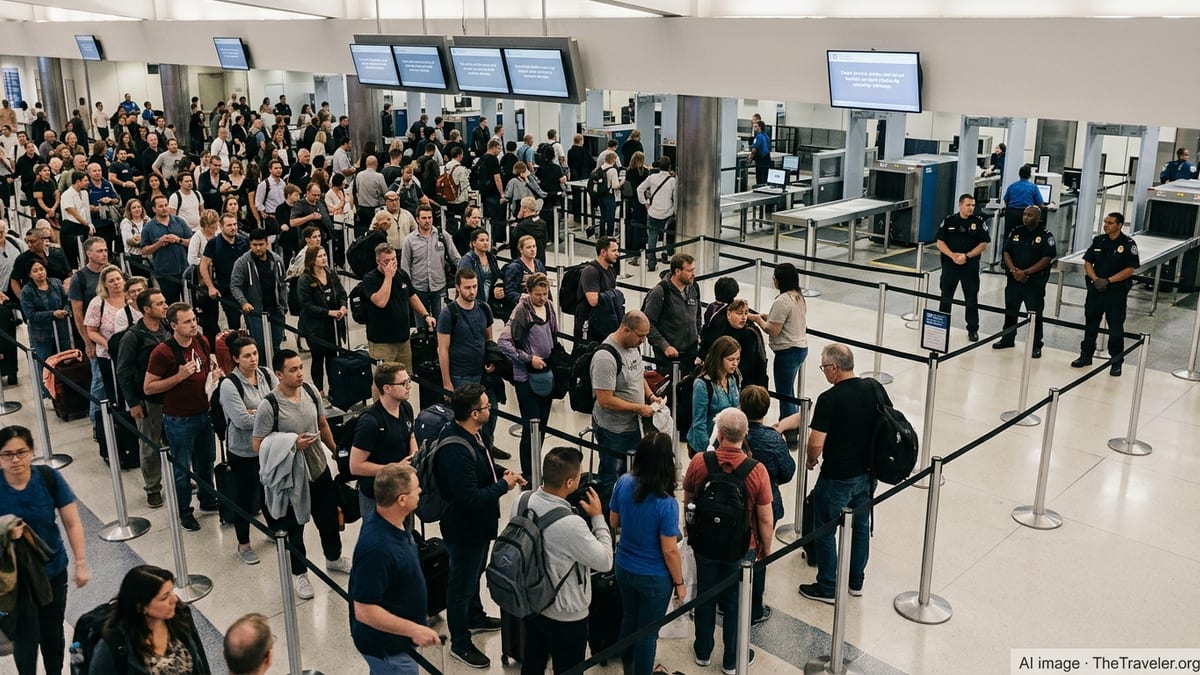
Nigerian travellers stranded for more than 24 hours at Nairobi’s Jomo Kenyatta International Airport have staged protests inside terminal areas after repeated flight delays and cancellations left many unable to continue their journeys to Lagos.
Get the latest news straight to your inbox!
Night of disruption triggers passenger unrest
Published coverage indicates that the protest began late on Monday, August 31, 2026, after a prolonged period of uncertainty for Lagos-bound passengers waiting at Jomo Kenyatta International Airport (JKIA) in Nairobi. Reports from Nigerian media describe travellers gathering around airline counters, chanting and demanding clearer information on when or whether their flights would depart.
Accounts compiled by Nigerian outlets suggest that departure times for affected flights were repeatedly revised throughout the evening before services were first delayed and then cancelled. Some travellers said they had been at the airport for more than 24 hours, unable to secure firm rebooking options or hotel accommodation while they waited for updates on their journeys back to Nigeria.
Tribune Online and other Nigerian platforms report that more than 100 Nigerian passengers were among those stranded, many of them connecting through Nairobi from other African destinations. As the situation stretched into a second day for some, frustration over shifting schedules and a perceived lack of timely communication ultimately spilled into organised protests in the terminal.
Industrial action compounds Nairobi flight chaos
The disruption affecting the Nigerian passengers unfolded as Kenya’s main international gateway grappled with a wider aviation workers’ dispute. Recent reporting from international and Kenyan outlets links the delays and cancellations at JKIA to a go-slow and strike action by members of the Kenya Aviation Workers Union, which had already forced airlines to trim schedules and cancel flights across multiple routes.
Coverage by global news agencies notes that the work stoppages, which intensified on August 30 and 31, left thousands of travellers across Nairobi’s hub facing lengthier security queues, last-minute gate changes and missed onward connections. Airlines using Nairobi as a transfer point for regional and intercontinental services reported cascading operational challenges as aircraft and crew were left out of position.
Kenyan media analyses highlight how strikes and slowdowns at JKIA quickly ripple across East and West African networks, particularly for carriers that rely on Nairobi as a central hub. In this context, Nigerian passengers on Nairobi to Lagos services found themselves at the sharp end of a wider operational crisis, with limited clarity on when normal flight schedules would resume.
Stranded Nigerians allege poor communication and welfare
Nigerian outlets tracking the incident report that many of the stranded travellers accused airlines of failing to provide adequate information, refreshments or accommodation as delays stretched through the night. Passengers cited in published coverage described feeling “abandoned” at the terminal, with little guidance on how their tickets would be rebooked or whether they were entitled to hotel rooms and meal support.
Some reports indicate that travellers appealed publicly for intervention from Nigerian aviation regulators and diplomatic representatives in Kenya, urging them to press airlines to improve communication and welfare arrangements. Passengers also raised concerns over families with children and elderly travellers who had been sleeping on terminal seats while waiting for updates on new departure times.
Travel advice articles referencing the Nairobi disruption note that, in such circumstances, passengers can benefit from obtaining written confirmation of delays or cancellations from airlines for use in subsequent claims with insurers or for requesting refunds and re-routing. However, those stuck at JKIA on Monday night and into Tuesday morning reportedly struggled to get consistent information at check-in desks and customer service counters.
Wider implications for West Africa–East Africa connectivity
The incident underscores the vulnerability of regional travel links between West and East Africa to labour disputes and operational bottlenecks at key hubs. Nairobi serves as one of the principal connecting points for flights linking Lagos and other Nigerian cities with destinations across East Africa, the Indian Ocean region and beyond, so disruption there can quickly affect travellers originating in or heading to Nigeria.
Commentary in African aviation coverage points out that, while industrial action may originate locally, its impact is often most keenly felt by transfer passengers who depend on tightly timed connections. For those travelling between Lagos and Nairobi or beyond, even a short work stoppage can translate into missed onward flights, unplanned overnight stays and complicated rebooking processes that may involve multiple carriers.
Analysts note that the latest protests by Nigerian passengers in Nairobi add to a broader pattern of traveller frustration across African aviation, where labour disputes, rising costs and infrastructure constraints have compounded pressure on airlines and airports. For travellers, the episode at JKIA serves as a reminder to monitor flight status closely, build additional buffer time into itineraries involving regional hubs and understand airline obligations in cases of extended disruption.
What travellers passing through Nairobi should know
In the wake of the latest disruption, travel information platforms advise passengers heading through JKIA to stay closely in touch with their airlines in the days following any major operational incident, as schedules can remain unstable even after a strike formally ends. Checking in online where possible, monitoring airline apps for gate changes and arriving early at the airport are among the practical steps recommended to reduce stress during periods of irregular operations.
Publicly available guidance from JKIA and Kenya Airports Authority emphasises that airlines remain the primary point of contact for questions concerning delays, cancellations, rebooking and baggage issues. Airport operators generally manage terminal facilities and provide overarching travel advisories, while decisions about flight timing, passenger care and compensation rest with carriers under their contracts of carriage and applicable regulations.
For Nigerian travellers in particular, aviation commentators suggest keeping documentation of all expenses incurred during long delays, such as meals or extra accommodation, and retaining boarding passes and booking confirmations. These records can support later claims with airlines or travel insurers and may prove important if regulators or consumer bodies review how carriers handled passenger welfare during the Nairobi disruptions.
Tribune Online: Nigerians protest at Nairobi airport over flight delay, cancellations
Punch: Nigerian passengers protest alleged neglect at Nairobi airport