


More news on this day
Travelers at Orlando International Airport faced mounting delays on September 7 after a deadly Amazon-branded cargo plane crash in Miami disrupted flight schedules across Florida and beyond.
Get the latest news straight to your inbox!
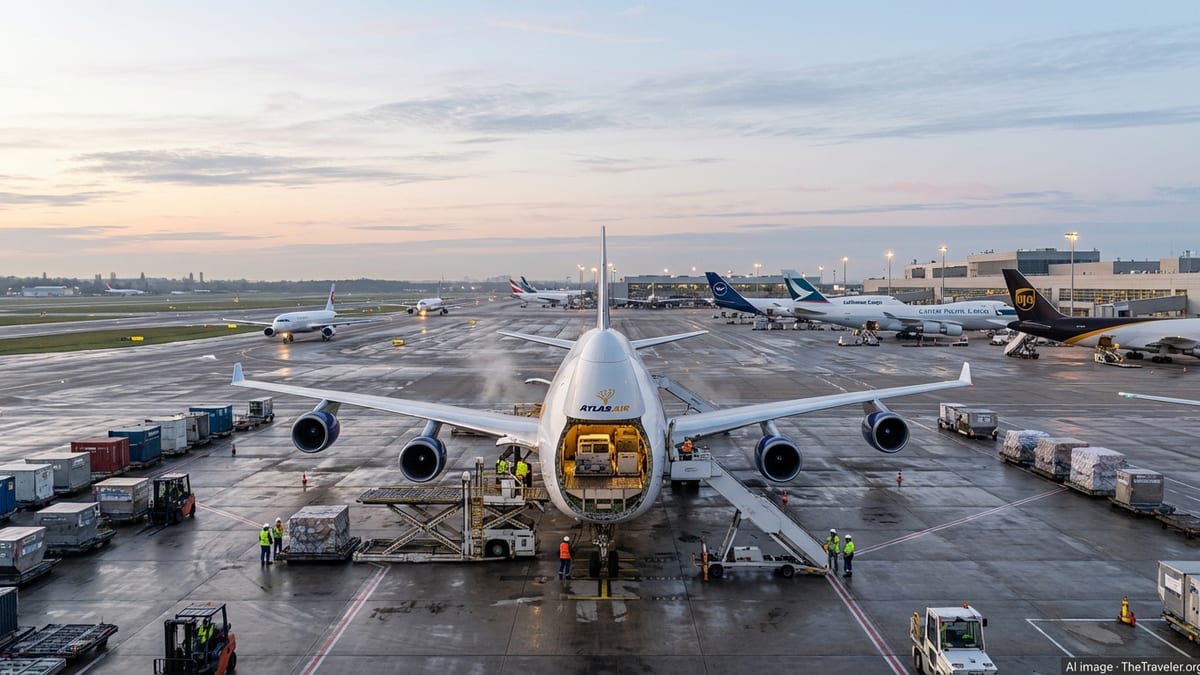
Deadly cargo crash in Miami triggers regional disruption
The disruption traces back to the afternoon of September 6, when a Boeing 767 cargo aircraft carrying Amazon packages overran a runway while landing at Miami International Airport. The aircraft left the paved surface, struck vehicles beyond the airfield perimeter and caught fire, resulting in at least five deaths and multiple injuries, according to published coverage from national and local outlets.
The crash led to an immediate ground stop at Miami International Airport as emergency crews responded and investigators began documenting the scene. Publicly available information shows that several runways and taxiways in Miami remained restricted into Labor Day, forcing airlines to cancel, divert or delay flights into one of the busiest hubs in the southeastern United States.
As Miami struggled to restore full capacity, the operational shockwaves quickly reached other Florida airports that share passengers, aircraft and crew with the South Florida hub, including Orlando International Airport, Tampa International Airport and Fort Lauderdale-Hollywood International Airport.
Orlando International Airport sees delays and diversions
Orlando International Airport, the busiest airport in Florida by passenger volume, experienced a noticeable uptick in delays on September 7 as airlines adjusted schedules in response to the Miami incident. Public flight-tracking boards and airline status pages showed late arrivals and departures on several domestic routes, particularly those connected to South Florida and major airline hubs that feed traffic through Miami.
Some flights originally routed through Miami appeared on airline websites as delayed or rerouted through Orlando or other regional airports, creating additional congestion in Orlando’s already busy holiday schedule. Travelers connecting between Central Florida theme parks and Caribbean or Latin American destinations reported extended layovers and rebookings, reflecting the knock-on effects of the Miami ground stop.
Operational data published by Miami International Airport indicates that a significant number of flights were canceled or delayed in the hours after the crash, leaving aircraft and crews out of position for subsequent rotations. When those aircraft are unable to depart or arrive as planned, Orlando’s schedule can quickly become compressed as airlines consolidate services and reposition planes.
How interconnected schedules send disruption across Florida
Industry data and previous disruption patterns show that Florida’s major airports are tightly linked through airline networks, shared crews and connecting itineraries. When one major hub experiences a severe incident, such as a runway crash that closes key infrastructure, the effects often ripple outward to other airports within hours.
Publicly available airline scheduling information suggests that Miami acts as both an international gateway and a domestic connection point for travelers moving between the Caribbean, Latin America and U.S. cities including Orlando. If arrivals into Miami are halted or significantly delayed, aircraft that would normally continue onward to Central Florida may be held on the ground, rerouted or substituted, triggering delays at Orlando.
Cargo operations also play a role. Miami is a major cargo gateway, particularly for goods moving between Latin America and U.S. distribution centers. While the crashed aircraft was operating a freight service, its removal from the network and the temporary disruption to cargo flows can affect ground handling resources and slot availability, indirectly influencing passenger traffic and schedules in Orlando and other Florida airports.
Advice for travelers passing through Orlando
Given the evolving situation in Miami and the time needed for investigators to complete on-site work, schedules across the region may remain unstable for at least several news cycles. Public guidance from airlines and airport operators emphasizes the importance of checking flight status frequently, as day-of-travel changes have been common in the wake of the crash.
Travelers flying into or out of Orlando International Airport are encouraged, based on current public information, to monitor airline apps and websites for gate changes, rolling delays or aircraft swaps. Those with itineraries involving same-day connections to or from Miami may be particularly exposed to disruption and may wish to consider alternative routings through other hubs where options are available.
Passengers already at the airport should allow extra time for check-in and security, especially during peak holiday periods, as delayed flights can lead to crowding at gates and longer lines at customer service desks. For visitors connecting onward to cruises, tour departures or time-sensitive events in Central Florida, contingency plans such as flexible ground transportation or an overnight buffer stay may reduce the risk of missed departures.
Investigators focus on cause as aviation sector absorbs impact
Federal investigators have begun examining the circumstances that led to the runway overrun in Miami, including the aircraft’s landing distance, weather conditions and the performance of braking systems. Early public reports indicate that the aircraft came to rest beyond the airfield boundary and was heavily damaged by fire, complicating recovery efforts and prolonging runway restrictions.
According to published coverage, the cargo flight was transporting Amazon packages but was operated by a contracted cargo airline under the Amazon Air network model. Publicly available information about that structure highlights that several carriers conduct Amazon-branded flights, which can make operational responses more complex when incidents occur.
As the investigation proceeds, Miami International Airport is gradually restoring normal operations, but the combination of a busy travel period and the temporary loss of runway capacity has added strain across the Florida aviation system. For Orlando International Airport and its passengers, the event serves as an illustration of how a single serious incident hundreds of miles away can reverberate through tightly scheduled airline networks in a matter of hours.
CBS Miami: Amazon cargo plane crash at Miami International Airport
Local 10: Delays, cancellations continue at Miami International Airport
NBC 6 South Florida: Coverage of the Amazon cargo plane crash