


More news on this day
Thunderstorms moving across the Denver metro area disrupted air travel at Denver International Airport, where flight-tracking totals showed more than 400 delayed flights as the FAA put traffic-management restrictions in place.
Get the latest news straight to your inbox!
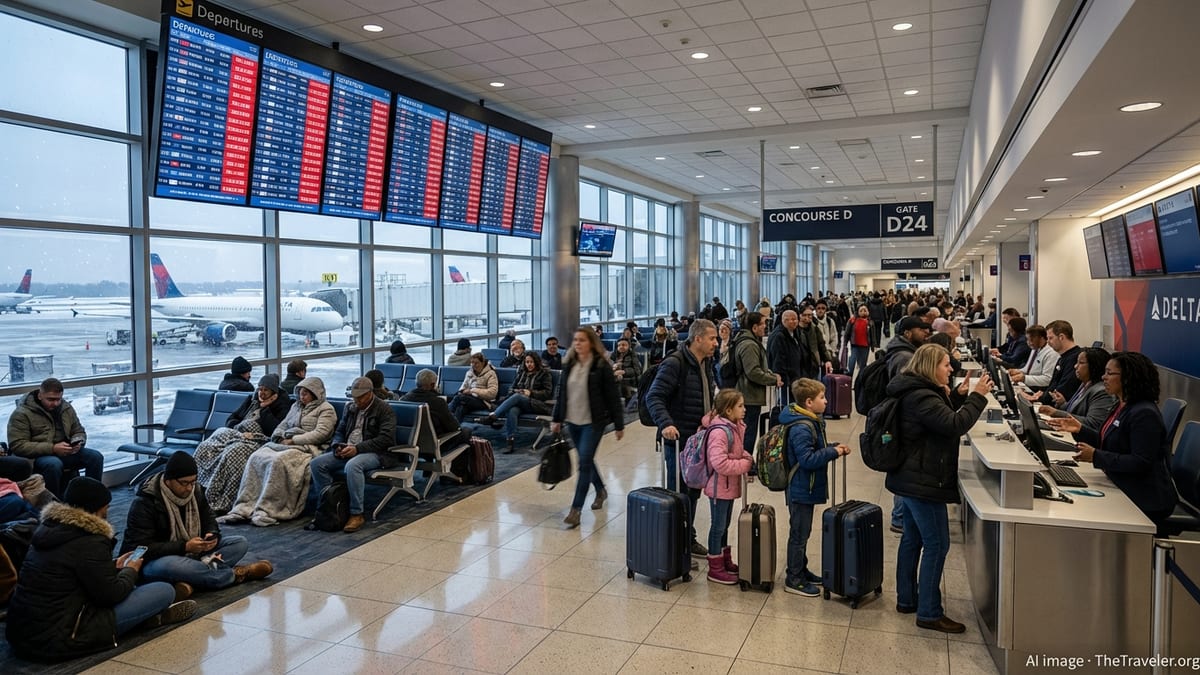
What travelers saw at DEN as storms moved through
Published coverage and live airport trackers showed a fast-building weather disruption that quickly rippled across concourses and departure boards at Denver International Airport, one of the country’s busiest hubs for connecting itineraries. The delay count climbed through the afternoon and evening as thunderstorm activity and shifting winds affected how efficiently aircraft could arrive, depart, and taxi.
Flight-tracking data indicated hundreds of delayed flights into and out of DEN, with some cancellations added as the disruption extended. Airlines and airport systems typically begin to feel compounding effects once inbound aircraft miss gates, crews time out, or aircraft rotations break, turning an initial weather delay into a longer recovery process.
FAA operational status pages during similar storm periods around Denver have shown gate holds, taxi delays, and arrival spacing measures used to keep traffic moving safely when thunderstorms affect approach corridors. When those restrictions are active, travelers may see their flights listed as “delayed” even before boarding begins, because aircraft can be held at gates to avoid gridlock on the ramp.
Why thunderstorms cause outsized delays even without heavy rain
Thunderstorms tend to disrupt airport operations less because of rainfall amounts and more because of lightning risk, wind shifts, turbulence, and reduced flexibility in arrival and departure routing. When storm cells sit near arrival fixes or along departure corridors, air traffic controllers often need to meter aircraft at a slower rate or reroute traffic around weather, which can reduce the number of aircraft that can safely land per hour.
Public FAA materials describe ground stops as the most restrictive traffic-management measure, holding aircraft at their departure airports until conditions at the destination improve. In less severe cases, the FAA can use ground delay programs that assign expected departure times to manage demand into an airport while maintaining safe spacing for arrivals.
In the Denver region, thunderstorm development along the Front Range and nearby boundaries can produce fast-changing wind patterns and storm outflows, which can lead to runway configuration changes and additional spacing on final approach. Those operational adjustments can be enough to create a cascade of missed connections across airline networks when DEN is serving as a central connecting hub.
FAA traffic-management actions and what they mean for your trip
During the disruption, FAA advisories and real-time airport status tools reflected weather-driven constraints affecting the flow of aircraft into DEN. Depending on storm position and intensity, these programs can range from incremental arrival delays to more restrictive initiatives that temporarily pause arrivals or departures.
For travelers, the practical result is that your aircraft might be ready to depart but still be held at the gate, your inbound flight might be delayed before it even leaves another city, or your arrival into Denver might include airborne holding or rerouting. Those measures are designed to prevent unsafe congestion in the air and on the ground, but they also mean posted departure times can continue to move as conditions evolve.
Because DEN is a major hub for domestic connections, delays there often spill into other airports as crews and aircraft arrive late to their next assignments. That network effect can persist even after storms pass, as airlines reposition aircraft and reaccommodate passengers onto later departures.
How to handle rebooking, connections, and airport timing during weather delays
When thunderstorms are driving delays, the most useful first step is to confirm the status of both your departure and your aircraft’s inbound leg, since many “on-time” departures later slip when the arriving plane is delayed. Airline apps typically update fastest, while airport arrival and departure boards can lag during rapidly changing weather and gate assignments.
If you are connecting through Denver, consider checking alternative routing options early, especially if your connection is tight. Weather-related disruptions often produce limited same-day seats, particularly on evening departures, so earlier rebooking attempts can expand your options. Travelers who can accept a later connection may have more success moving to flights after the strongest storm window.
For those heading to the airport, publicly available airport guidance generally emphasizes checking flight status before leaving and allowing extra time for gate changes, crowding at customer-service lines, and longer waits at concessions. If you are already at DEN, keeping an eye on gate-area announcements and app notifications can help you react quickly to a gate swap or an aircraft change intended to keep the schedule moving.
What to watch next as DEN recovers from the disruption
Even after thunderstorms move away from the airfield, full recovery can take hours as the airport works through backed-up departures, arriving aircraft needing gates, and repositioning of crews. Flight-tracking tools may show improving average delays while the overall number of delayed flights remains elevated, reflecting the long tail of earlier disruptions.
Travelers can expect the most meaningful sign of improvement to be a sustained drop in average departure and arrival delays, along with fewer “rolling” delays that extend in small increments. If FAA traffic-management programs remain posted for DEN, that can indicate ongoing constraints due to weather lingering near approach paths or along regional routes feeding into Denver.
For passengers traveling on the day after a major storm disruption, it can still be worth checking aircraft routing and inbound status, since late-arriving planes and crews can affect early departures. Denver’s location and frequent summer and early fall convective weather patterns mean disruptions can be localized yet still affect nationwide schedules when DEN is serving as a central connection point.