


More news on this day
British Airways has reactivated its London Heathrow to Dubai service after an eight month suspension tied to the Middle East security crisis, restoring a key link for UK travelers even as widespread flight cancellations to Saudi Arabia and neighboring markets continue.
Get the latest news straight to your inbox!
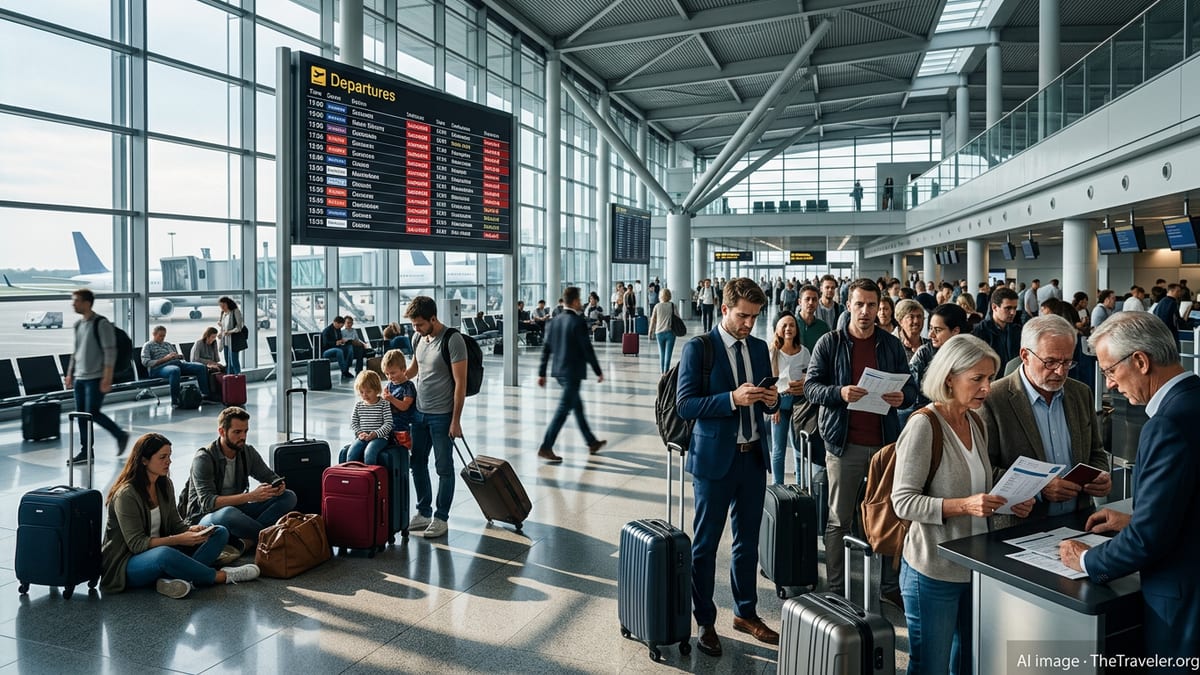
Daily Heathrow–Dubai Flights Return After Eight Month Gap
British Airways has resumed nonstop flights between London Heathrow and Dubai International Airport, re-entering one of the world’s busiest long haul markets after withdrawing the route earlier this year in response to regional tensions. Publicly available schedules and flight tracking data show flight BA105 left Heathrow on Tuesday 3 November 2026, arriving in Dubai the following morning, with the return leg operating as BA104 back to London.
Reports indicate the airline is restarting with a single daily rotation between Heathrow Terminal 5 and Dubai International’s Terminal 1, using Boeing 787-10 Dreamliner aircraft configured with business, premium economy and economy cabins. Aviation industry coverage notes that British Airways had initially targeted a late October restart in line with the northern winter timetable before pushing the return into early November amid continued airspace and insurance concerns.
The Dubai relaunch gives British travelers another nonstop option alongside Emirates’ high frequency A380 and Boeing 777 services from Heathrow, Gatwick, Manchester and other UK cities. Sector analysis suggests, however, that British Airways’ one daily flight represents only a small share of overall capacity on the London–Dubai corridor, which remains dominated by Emirates and its partners.
Data from Dubai Airports cited in trade publications shows Dubai International handled 31.5 million passengers in the first half of 2026, down by just over 30 percent year on year. Industry observers view the return of a major European legacy carrier such as British Airways as a symbolic step for Dubai’s wider recovery, even if broader regional instability continues to weigh on demand.
Limited Schedule and Cautious Capacity on the Reopened Route
While the London–Dubai link is back, British Airways is operating a slimmer timetable than before the suspension. Travel trade reporting indicates the airline is currently scheduling one daily round trip rather than the multiple daily departures seen prior to the 2026 crisis, reflecting both ongoing security considerations and softer demand from corporate travelers.
Seat maps and booking tools show that the resumed service is being marketed across all cabins, with Club World business class, World Traveller Plus premium economy and World Traveller economy fares on sale. British Airways’ own low fare finder indicates that lead in economy return prices for selected mid November dates start in the low to mid hundreds of pounds, with business class returns several times higher once taxes and charges are included, though availability fluctuates according to day of week and booking window.
For passengers with existing vouchers or disrupted tickets from earlier in the year, online customer guidance stresses the importance of checking booking management tools before travel. In many cases, travelers whose itineraries were cancelled during the suspension period have been offered options such as rebooking on the reinstated Dubai flights, rerouting via partner hubs in Doha or Abu Dhabi, or obtaining refunds, depending on original fare conditions.
Airport based reports from the first days of operation describe relatively busy but orderly check in and departure processes at Heathrow, with additional security briefings for crew reflecting updated risk assessments on regional airspace. Analysts expect British Airways to review performance through the winter 2026 to 2027 season before committing to any frequency increases or larger aircraft deployments.
Saudi Routes Still Hit by Missile Attacks and Safety Advisories
In contrast to Dubai’s reopening, flights into Saudi Arabia remain under significant strain following a series of missile and drone attacks on major airports in October 2026. Open source reporting details coordinated strikes on King Khalid International Airport in Riyadh and other facilities, causing dozens of fatalities and prompting extensive cancellations and diversions across multiple international carriers.
Government travel advisories updated in late October and early November 2026 now urge travelers to reconsider non essential journeys to Saudi Arabia, highlighting the risk of further attacks on aviation infrastructure. Publicly available guidance also recommends that those already in the country avoid airports during periods of heightened alert and monitor local announcements closely before attempting to depart.
Industry digests tracking airline schedules show that carriers including Lufthansa, KLM and ITA Airways have extended suspensions on flights to Riyadh and other Saudi gateways well into November 2026, citing safety and insurance constraints. Cargo operators and regional airlines are reported to be operating at reduced capacity, with some services only using daytime slots or specific routes cleared under additional security protocols.
Although there has been a partial reopening at Riyadh’s King Khalid International Airport, with domestic services and selected international flights by Saudi carriers resuming, international connectivity remains patchy. Corporate travel departments and risk consultants are advising businesses to consider land routes to neighboring countries such as the United Arab Emirates, Bahrain or Jordan, and to fly onward from there, where security and commercial operations allow.
British Airways’ Mixed Middle East Network: Dubai Back, Saudi Still Disrupted
British Airways’ decision to restore its Dubai link while maintaining a highly restricted presence in Saudi Arabia reflects a broader recalibration of its Middle East network. According to schedule summaries compiled by aviation analysts, the airline has focused on reintroducing high demand, relatively lower risk markets, while drawing back from destinations seen as more exposed to the current crisis.
Riyadh services from London Heathrow, which had already faced rolling suspensions earlier in the year, remain subject to disruption, with travelers sharing cancellation notices for flights scheduled well into December. Travel forums and schedule trackers indicate that British Airways has been proactively removing many Saudi flights from sale, rather than waiting for last minute cancellations, in an effort to give passengers more time to rearrange plans.
At the same time, British Airways has withdrawn entirely from Jeddah, with earlier announcements confirming the route’s closure as part of a wider reshaping of long haul capacity. Aircraft and crew freed up by Middle East cuts have been redeployed to higher yielding markets in India and North America, where demand has recovered more robustly and operational risks are perceived to be lower.
The airline’s Abu Dhabi route also remains suspended, with industry outlets reporting that no restart is envisaged until at least the winter 2027 to 2028 season. For access to the UAE capital, British travelers currently rely on Etihad’s services from Heathrow and Manchester, as well as one stop itineraries via regional hubs.
What the Shifting Map Means for Travelers
For leisure and business passengers, the restoration of the British Airways Dubai route provides a familiar one world alliance option between the UK and the Gulf at a time when many other regional connections are constrained. Travelers can again pair Dubai with onward codeshares to destinations in South Asia, Africa and Australasia, although some of those secondary links continue to face schedule adjustments.
However, the ongoing suspensions affecting Saudi Arabia underscore the importance of flexibility. Publicly available travel advice now strongly encourages anyone planning trips to Riyadh or other Saudi cities to maintain fully refundable bookings where possible, keep contact details up to date with airlines and employers, and build in contingency time for last minute rerouting via hubs such as Doha, Dubai or Muscat.
Travel risk specialists note that insurance policies often differentiate between destinations where carriers have resumed regular service and those still subject to government warnings or active conflict related disruptions. Passengers are being urged to review policy wording carefully, especially regarding coverage for cancellation due to security events, missed connections from airspace closures and unexpected overnight stays caused by diversions.
With British Airways’ Dubai flights now operating again but Saudi links dragging behind, the Middle East’s aviation landscape is entering a new, uneven phase of recovery. For travelers, the most practical response is to treat each city separately, monitor route by route developments, and avoid assuming that improvements in one major hub automatically signal a return to normal across the wider region.