


More news on this day
Parents are urging holidaymakers to think twice before packing popular water bead toys in children’s hand luggage, amid mounting reports of airport screening delays and fresh safety warnings from regulators and medical experts.
Get the latest news straight to your inbox!
Colourful kids’ toy under fresh scrutiny
Water beads, often sold for children’s sensory play and under well known brand names, start out as tiny pellets and expand dramatically when placed in water. Their bright colours and soft texture have made them a staple in playrooms and birthday party goody bags, and many families now travel with tubs or fidget toys filled with the beads to keep children occupied on long journeys.
Recently, however, parents posting on travel and parenting forums have described bags being pulled aside at checkpoints when security staff spot containers of water beads or bead filled toys. Some travellers report having to surrender the items or undergo additional checks while officers verify what the unfamiliar shapes are on the X ray screen, adding stress and delay to already crowded security lines.
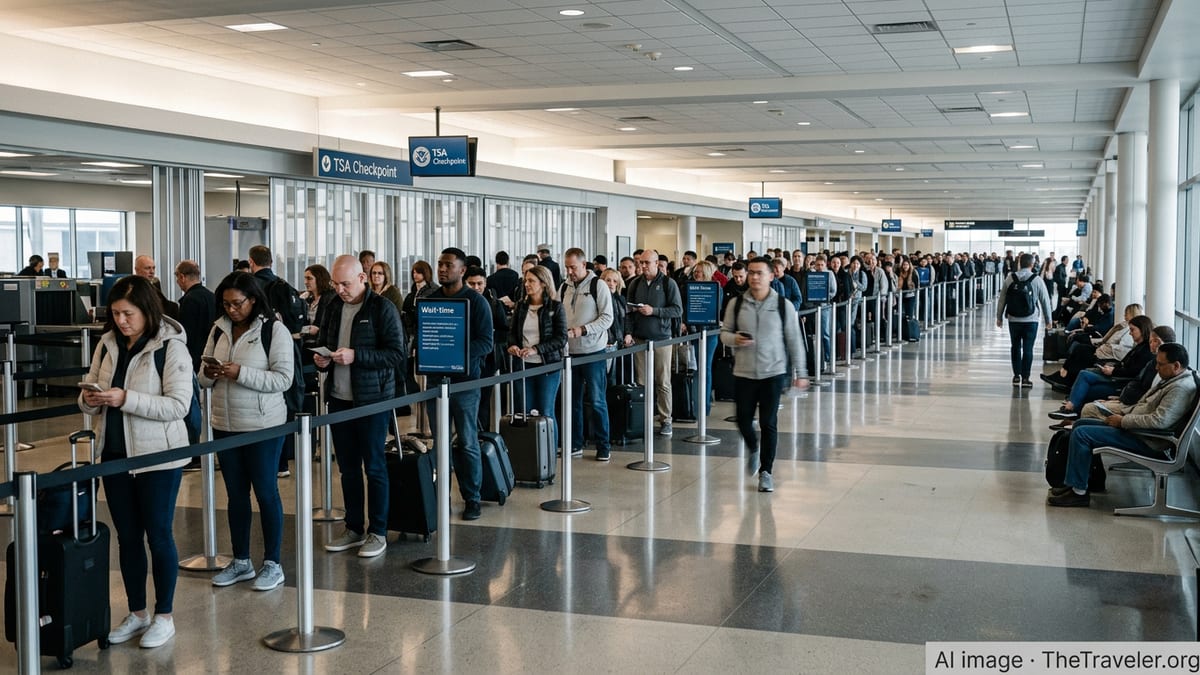
The concern is surfacing at a time when passenger volumes are high and security resources are under pressure. Even a few extra minutes spent resolving uncertainty about toys in children’s backpacks can contribute to congestion, particularly during peak holiday periods when families account for a significant share of leisure travel.
Although there is no universal rule that bans water beads from hand luggage, the combination of their appearance on scanners, the potential for loose beads to scatter, and growing awareness of health risks is pushing more parents to leave them at home or pack them only in checked baggage.
Safety agencies highlight hidden health risks
The renewed focus on water beads at airports coincides with heightened concern from product safety regulators and medical organisations. Publicly available guidance from the US Consumer Product Safety Commission describes water beads as a serious hazard for young children, noting that the tiny pellets can expand many times their original size when exposed to liquid and have been linked to intestinal blockages, emergency surgery and at least one child death in recent years.
In March 2026, a new federal safety standard for water bead toys took effect in the United States, limiting how large the beads are allowed to grow and requiring clearer warning labels about ingestion risks and appropriate age ranges. Similar alerts have been issued in the United Kingdom, where government notices and professional medical bodies have warned of injuries when beads are swallowed or inserted into ears and noses.
Hospitals and paediatric specialists have also published case reports describing children needing intensive care after ingesting the beads, sometimes without any adult realising what had happened until symptoms appeared hours or days later. Health information from children’s hospitals notes that the beads can be difficult to detect on standard X rays and may require advanced imaging or surgery if they obstruct the bowel.
Travel health advisers point out that these medical risks are especially problematic when families are in transit or staying abroad, where access to specialist paediatric care may be more complicated and language barriers can lengthen the time it takes to get help.
Airport screening challenges and possible delays
Airport security screening relies on X ray images and increasingly sophisticated automated detection systems to distinguish everyday items from potential threats. Dense clusters of small spheres, liquid filled toys and unfamiliar containers can all trigger extra scrutiny. Security staff may need to open bags for a manual search, ask questions about the item and sometimes swab it for explosive trace detection before allowing it through.
Reports from travellers suggest that water beads and bead filled plush toys occasionally fall into this category of “unusual but benign” items. In some cases, parents say they were advised to repack the toy in checked luggage on future flights or to avoid open containers that could spill loose beads inside security lanes or on aircraft.
Aviation security experts note that there is little appetite to draw up a detailed list of every toy that might confuse screening systems, so policies may vary between airports and countries. That variability can be frustrating for parents who encounter no issue at one checkpoint only to face delays at another, particularly when trying to make tight connections or manage tired children.
For airport operators already dealing with long queues, incidents that require prolonged bag searches or conversations with anxious families can have a ripple effect across the line. While a single toy rarely causes a major disruption, a surge in similar incidents during school holidays can contribute to missed flights and heightened tensions at the gate.
Parents share travel tips to avoid problems
In response to recent experiences, many parents are adjusting what goes into children’s carry on bags. Online travel communities now feature checklists advising families to leave water beads, gel filled stress balls and certain weighted plush toys out of cabin luggage, especially on international trips where local rules may be stricter or less predictable.
Some travellers report success with swapping water beads for more traditional, easily recognisable activities such as colouring books, sticker sets, small puzzles or soft toys without internal pellets. Others recommend keeping any sensory toys transparent and clearly labelled in their original packaging so security staff can identify them quickly if a bag is pulled for inspection.
Travel advisers also suggest that parents talk to children in advance about the possibility that a favourite toy could be taken away at security if it causes concern, and consider packing back up entertainment options in case an item is confiscated. This can help reduce distress at the checkpoint and keep the line moving.
For families who still choose to bring water bead products on holiday, safety guidance from regulators and hospitals stresses strict supervision, careful storage out of reach of younger siblings and prompt medical evaluation if a child may have swallowed a bead or inserted one into an ear or nose.
Growing calls for clearer guidance before peak season
With the next wave of school holidays approaching in North America and Europe, consumer advocates and toy safety campaigners are encouraging clearer messaging around water bead toys, both in terms of health risks and travel practicalities. Recent summer safety reports from non profit groups focused on hazardous toys highlight water beads and gel ammunition as examples of small, colourful items that can appear harmless but carry outsized risks.
There are also questions about whether retailers should do more at the point of sale, particularly in airport shops and tourist areas, to alert families to potential complications when travelling with such products. Some campaigners argue that growth in the popularity of water bead toys has outpaced awareness of how they behave when dry, wet or broken, and what happens if they are left scattered in public spaces or aircraft cabins.
For now, publicly available information suggests that the safest approach for air travellers with young children is to avoid relying on water beads as an in flight distraction and to choose alternatives that are less likely to raise concerns with security or medical professionals. As more parents share accounts of travel disruptions and near misses, the brightly coloured beads are increasingly viewed as one toy that may be better enjoyed at home than at 30,000 feet.