


More news on this day
Travel between Asia and regional France is set to become smoother as Malaysia Airlines and SNCF Voyageurs introduce a new one-ticket air-rail partnership linking Kuala Lumpur with 28 French cities via Paris Charles de Gaulle Airport.
Get the latest news straight to your inbox!
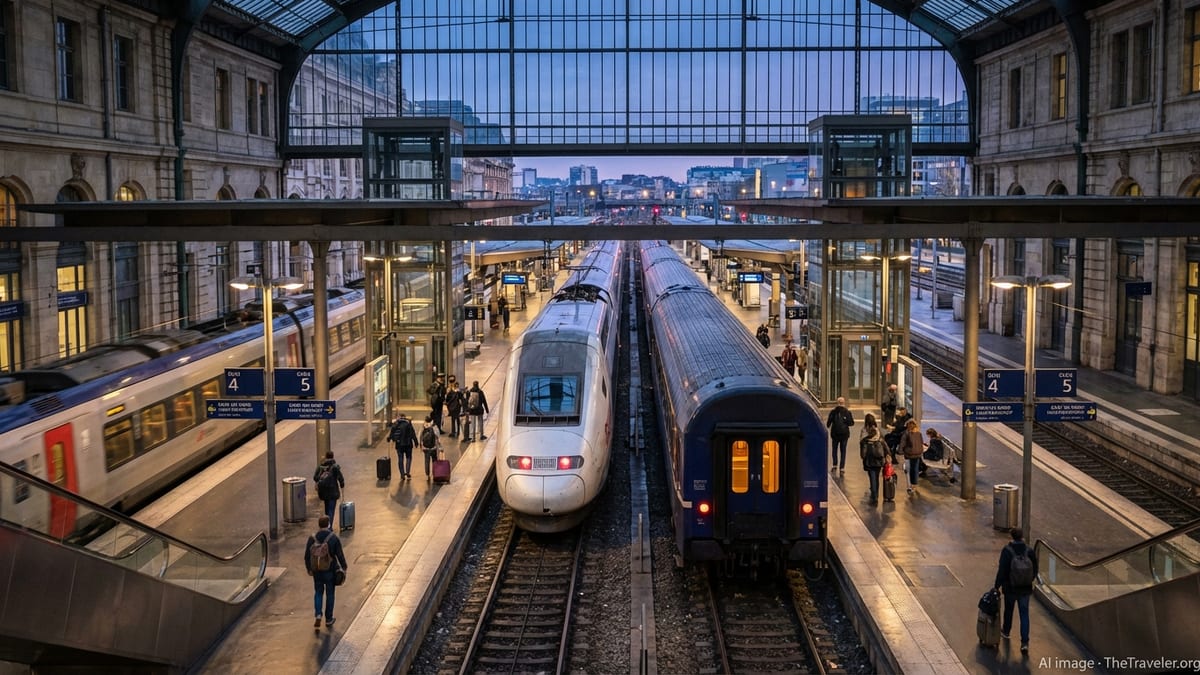
New air-rail partnership widens access beyond Paris
According to recent announcements by Malaysia Airlines and SNCF Voyageurs, the new agreement allows passengers flying on Malaysia Airlines’ Kuala Lumpur–Paris Charles de Gaulle service to connect to high-speed and intercity trains operated by SNCF on a single booking. The partnership is structured as an intermodal or air-rail agreement, combining long-haul flights with rail segments across France on one ticket.
Reports indicate that the collaboration opens up access to 28 destinations across the French network from Paris Charles de Gaulle. Travelers arriving at the airport can transfer directly onto SNCF services that connect to key regional cities, reducing the need to book separate rail tickets and simplifying the journey planning process for long-haul visitors.
Publicly available information shows that the arrangement relies on SNCF’s existing presence at Charles de Gaulle, where high-speed services link the airport with major hubs such as Lyon and Nantes. By integrating these routes into Malaysia Airlines’ distribution channels, the partners aim to make regional France more accessible to passengers from Southeast Asia and beyond.
Tickets for the combined itineraries are being made available through Malaysia Airlines’ usual sales channels, meaning passengers can purchase the flight and onward train segments in a single transaction. The integrated booking gives travelers a combined itinerary and a single ticket reference covering the entire door-to-door trip within France.
How the one-ticket trips will work for travelers
Under the new arrangement, passengers book their journey from their origin city to a final French rail destination in one step, selecting a combined flight and train itinerary that connects through Paris Charles de Gaulle. The air segment is operated by Malaysia Airlines between Kuala Lumpur International Airport and the French capital, while the onward rail segment is fulfilled by SNCF Voyageurs on its domestic network.
Operational details published by the partners indicate that the train leg will depart from the rail station integrated into the Charles de Gaulle airport complex, enabling passengers to remain within the airport environment when changing modes. This setup is designed to reduce transfer times and simplify wayfinding, compared with journeys that require a separate transfer into central Paris before joining a long-distance train.
The one-ticket concept means passengers receive a single booking reference and coordinated itinerary, rather than separate documents for the flight and train. In practical terms, this is intended to streamline check-in and customer support, especially in cases where delays on one segment may affect the connection to the next. While specific protections and conditions may depend on fare type and booking class, the integrated structure is designed to offer a more coherent experience than fully separate bookings.
Travelers are expected to handle their own luggage between the baggage claim area and the rail platform at Charles de Gaulle, as with most existing air-rail partnerships in Europe. However, the coordinated timetable and shared ticketing aim to minimize stress during the transfer and offer clearer information about minimum connection times and platform locations.
Key French cities among the 28 destinations
Coverage in French and Malaysian travel media indicates that the new partnership brings a mix of major regional hubs and mid-sized cities within easier reach for international passengers. Among the 28 SNCF-served destinations connected through Charles de Gaulle are cities such as Lyon, Marseille, Bordeaux and Strasbourg, which are already well established on high-speed rail corridors.
In addition to these larger centers, the network is reported to include other regional cities that appeal to leisure travelers seeking coastal areas, wine regions and historic towns. By integrating these destinations into Malaysia Airlines’ booking systems, the partners aim to attract visitors who might otherwise limit their trips to Paris or rely on domestic flights once in France.
The approach mirrors other air-rail collaborations that leverage France’s high-speed and intercity network to redistribute passengers beyond the capital. For Malaysia Airlines, the ability to market combined air-rail journeys gives the carrier a broader footprint in France without adding new domestic flights, while SNCF gains additional international traffic on key routes.
The selection of the 28 cities appears to align with established TGV and Intercités corridors that already offer frequent services from Charles de Gaulle. This allows the new itineraries to be built around existing capacity and timetables, limiting the need for major operational changes on the rail side while still expanding connectivity for long-haul passengers.
Strategic move for Malaysia Airlines’ Europe comeback
The partnership with SNCF comes as Malaysia Airlines steps up its return to the European market through restored flights to Paris. The carrier resumed non-stop services between Kuala Lumpur and Paris Charles de Gaulle in 2025, reestablishing a direct link that had been absent for several years and making the French capital one of its key long-haul gateways.
Industry analysis suggests that adding a rail component is a logical extension of this renewed focus on Europe. By offering through-ticketing to 28 French cities, Malaysia Airlines can promote itineraries that compete more directly with European and Middle Eastern carriers that already combine flights with rail or extensive intra-European networks.
For SNCF Voyageurs, the tie-up contributes to a broader trend of closer integration between rail operators and airlines, especially on routes where high-speed trains can replace or complement short-haul flights. Bringing long-haul passengers from Asia directly into the French rail system at Charles de Gaulle supports traffic growth on domestic routes and reinforces the role of rail as a key connector for international arrivals.
Observers note that the agreement also supports tourism strategies aimed at encouraging visitors to explore beyond Paris. By reducing the friction and perceived complexity of reaching regional destinations by train, the partnership is positioned to funnel more long-haul visitors to a wider range of French cities throughout the year.
What this means for long-haul passengers and French tourism
For travelers, the main benefit of the Malaysia Airlines and SNCF collaboration lies in convenience. Booking a single ticket that covers both flight and train segments can simplify planning, especially for those unfamiliar with French rail booking platforms or concerned about missed connections when using separate tickets.
Because itineraries are built around coordinated schedules at Charles de Gaulle, passengers are offered clearer guidance on connection times and routing options. This can be particularly valuable for families or less frequent travelers who may prefer to avoid transferring via central Paris stations with luggage in tow.
From a tourism perspective, the partnership may help distribute visitor flows more evenly across France by making secondary cities more approachable from long-haul markets. Destinations in wine regions, coastal areas and historical corridors could see increased interest from travelers who previously limited trips to short stays in the capital.
Travel industry commentators suggest that the move reflects a broader shift toward multimodal journeys that combine long-haul flights with high-speed rail, especially in Europe where rail networks are dense and relatively fast. If the Malaysia Airlines and SNCF model gains traction, similar agreements with other carriers or expansions to additional cities could follow, further embedding air-rail travel as a mainstream option for international visitors to France.