


More news on this day
Pattaya has launched an intensive clean-up drive along Jomtien Beach, moving quickly to tackle mounting waste and shoreline debris as the resort city prepares for a major Songkran travel surge and peak holiday tourism.
Get the latest news straight to your inbox!
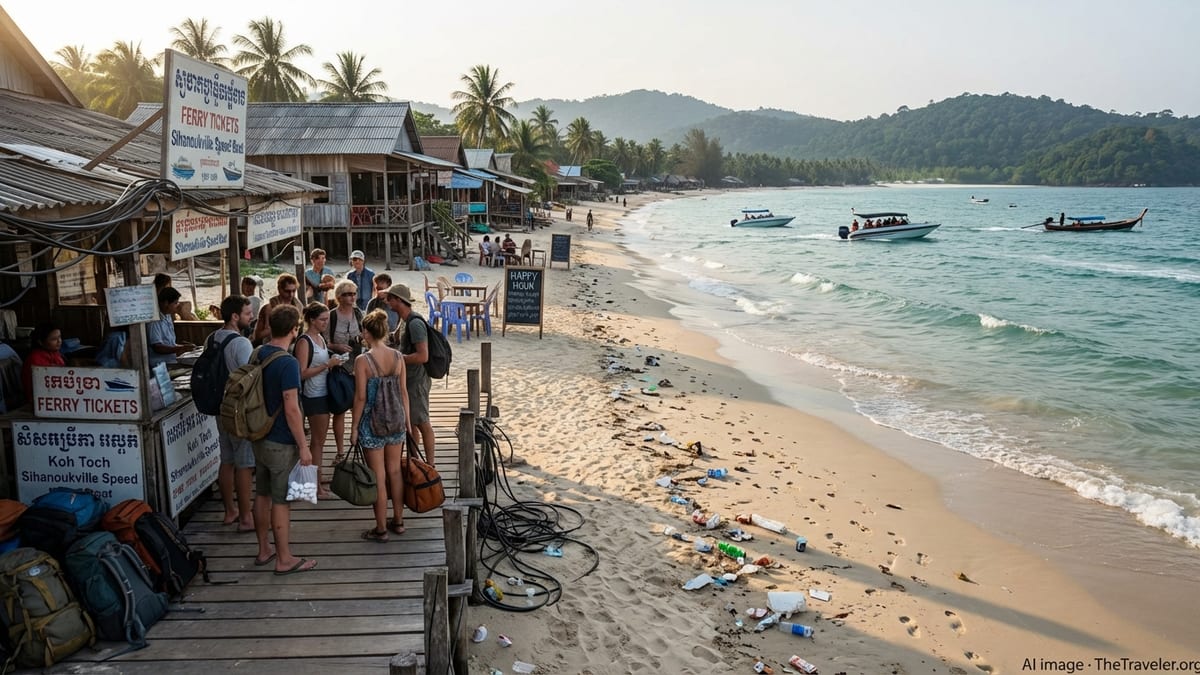
Jomtien Beach Put Under the Spotlight Ahead of Festival Peak
The latest campaign focuses on Jomtien, one of Pattaya’s key beachfront districts and a popular choice for families and longer-stay visitors. Reports from local and regional travel media describe coordinated efforts to remove litter, level sand, clear drainage channels and tidy public spaces in the run-up to the Thai New Year holidays and the extended Wan Lai celebrations.
Publicly available information indicates that municipal teams and contracted workers have been dispatched along long stretches of Jomtien Beach to collect plastic bottles, food containers and other debris that accumulate after busy weekends and stormy weather. The work is being framed as both a cosmetic and environmental push, aimed at restoring the beach’s visual appeal while limiting the amount of trash that can wash back into the gulf.
The timing aligns with a sharp rise in domestic and international arrivals over mid-April, when water-play zones across Pattaya are expected to be crowded from afternoon until late evening. Jomtien, traditionally marketed as a quieter alternative to central Pattaya Beach, is expected to see particularly heavy use by families and multi-generational groups seeking beach access and accommodation within walking distance.
Coverage from Thai tourism outlets suggests that the clean-up is part of a broader pre-Songkran effort that also includes the upgrading of lighting and public-safety infrastructure along Jomtien’s seafront promenade. The goal is to present a safer, cleaner and more orderly image to visitors during one of the city’s most scrutinised periods of the year.
Waste Buildup Underscores Long-Running Environmental Pressures
The stepped-up action on Jomtien comes against a backdrop of wider concern over coastal waste in and around Pattaya. Regional news reports and long-running commentary from residents have highlighted recurring issues with plastic litter, marine debris and rubbish flushed from storm drains during heavy rainfall, all of which can accumulate on beaches and nearshore waters.
Past post-festival clean-up drives in Pattaya have been reported to collect large volumes of trash in a matter of hours, especially after major water-fight days and large-scale events. Observers note that while beaches often appear well groomed in the early morning after intensive sweeping, they can be quickly overwhelmed again when visitor numbers spike, pointing to the scale of the underlying waste-management challenge.
Environmental advocates regularly point to several contributing factors, including limited separation of recyclables, informal dumping and the volume of single-use plastics associated with takeaway food and drink. Pattaya’s position within a busy Gulf of Thailand coastline also means that some debris can drift in from other areas, compounding locally generated waste.
Publicly available planning documents and sustainability reports for the wider Pattaya area indicate parallel investments in wastewater treatment and infrastructure upgrades intended to protect marine environments around Jomtien and neighboring beaches. The new clean-up push is being presented as a visible, on-the-ground complement to those longer-term projects.
Songkran Travel Surge Raises the Stakes for City Image
The clean-up operation is unfolding as Thailand enters the core Songkran period, with April 13 to 15 designated as official public holidays and Pattaya preparing for extended festivities through April 19. Travel and lifestyle outlets describe the city as one of the country’s most energetic Songkran hubs, drawing large numbers of domestic holidaymakers and international tourists seeking street parties, concerts and beach events.
Recent coverage from Pattaya-based media details extensive safety and crowd-management planning across major water-play zones, including Jomtien Beach, Pattaya Beach Road and popular nightlife areas. Checkpoints, service points and support teams are being positioned to direct traffic, assist festivalgoers and respond to incidents during peak hours, reflecting expectations of dense crowds along the waterfront.
Industry commentary suggests that Pattaya is under pressure to balance the city’s reputation for exuberant celebrations with growing expectations around cleanliness and sustainability. Tourism analysts note that social media images of trash-strewn beaches can spread rapidly, shaping perceptions well beyond Thailand and influencing destination choices for future holiday seasons.
With Songkran 2026 also taking place amid higher temperatures and recurring air-quality concerns across parts of Thailand, beach destinations such as Pattaya and Jomtien are being closely watched as both cooling escapes and indicators of how major tourism hubs are adapting to environmental and infrastructure strain.
Tourism Operators Watch Cleanliness as Competitive Factor
Hotels, guesthouses and rental operators along Jomtien Beach have a strong interest in the outcome of the clean-up drive, as room demand is closely linked to perceptions of water quality, shoreline cleanliness and general comfort on the promenade. Travel forums and recent visitor reports frequently highlight Jomtien as a more relaxed alternative to central Pattaya, but they also point to episodes where litter and storm debris have detracted from the experience.
Analysts following Thailand’s coastal destinations emphasize that cleanliness is now a core part of the competitive landscape, especially among repeat visitors and long-stay guests who compare Jomtien with other regional beach areas such as Hua Hin, Rayong and islands in the eastern gulf. Cities that can demonstrate consistent waste management and responsive clean-up operations may have an advantage in retaining high-value travelers.
Some published commentary from tourism and hospitality stakeholders in Thailand argues that large-scale beach clean-ups, while important, need to be reinforced by everyday practices such as better street-side bin infrastructure, more frequent collection and campaigns encouraging visitors to pack out their waste. Jomtien’s new drive is being viewed as an opportunity to showcase how operational measures and public messaging can be combined during a marquee festival period.
Market watchers will also be tracking how tour operators, online travel agencies and review platforms reflect conditions on Jomtien in the weeks after Songkran. Positive feedback on beach maintenance and cleanliness could help Pattaya sustain bookings into the summer low season, while negative impressions could revive long-standing concerns about environmental management on Thailand’s busiest urban coastline.
What Travelers Headed to Jomtien Should Expect This Songkran
For visitors heading to Pattaya over the current Songkran stretch, Jomtien Beach is likely to present a mixed picture of heightened activity and visible cleaning operations. Reports from the ground describe early-morning sweeps, collection trucks circulating frequently and staff focusing on high-traffic sections near main access points, food stalls and rental areas.
Travelers can expect intermittent crowding on the seafront, particularly in the afternoons when temperatures peak and families seek shade, water play and beachfront dining. With checkpoints and service points operating at several Songkran hotspots, movement in and out of Jomtien may also involve brief delays, especially around the busiest dates between mid and late April.
Advisories from regional travel sites encourage visitors to be prepared for intense heat, short but heavy rain showers and the possibility of temporary murkiness in nearshore waters after storms or busy festival days. Guests are also being urged to reduce their own footprint by limiting single-use plastics, using designated bins and avoiding leaving food or drink containers on the sand at the end of the day.
As Pattaya’s Jomtien clean-up drive continues through the festival window, the coming days are expected to provide a clearer indication of how effectively the city can manage peak-season waste, protect its shoreline and reassure increasingly sustainability-conscious travelers that one of Thailand’s most visited beach corridors is serious about its environmental responsibilities.