


More news on this day
Aviation safety concerns have been raised in Washington after a commercial airline pilot reported that powerful event lights from Donald Trump’s UFC fight setup on the White House South Lawn briefly blinded flight crews during a nighttime approach to Ronald Reagan Washington National Airport.
Get the latest news straight to your inbox!
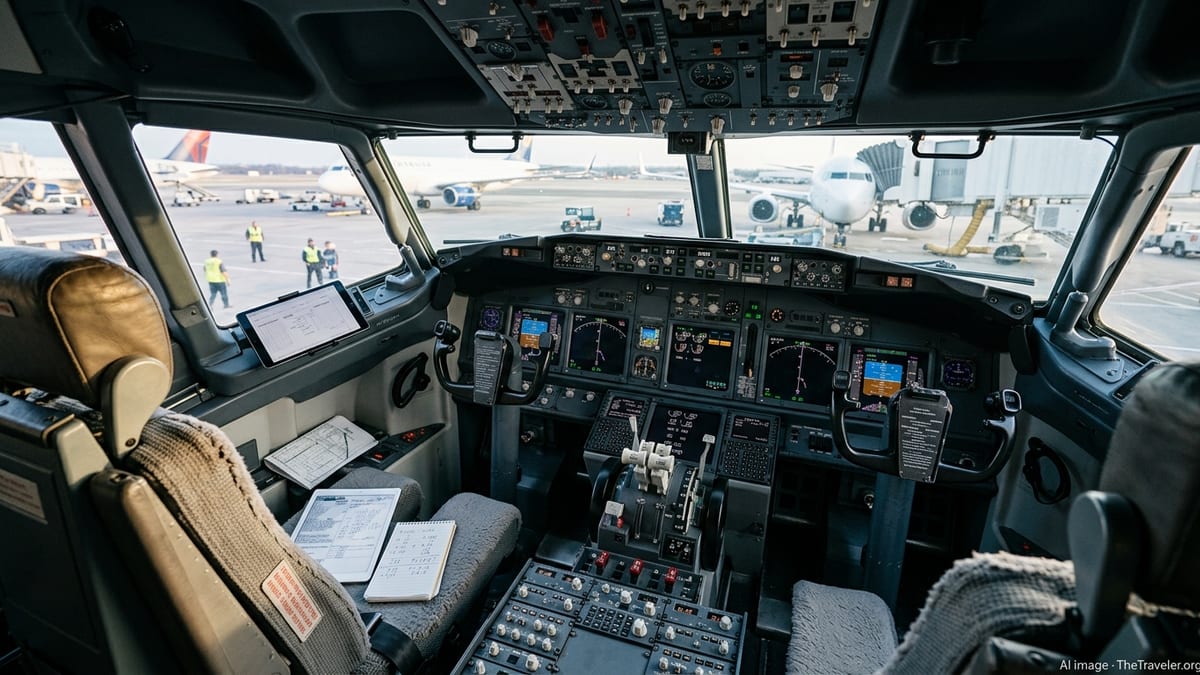
Pilot’s Safety Report Describes Severe Cockpit Glare
Published coverage indicates that a commercial airline pilot flying into Ronald Reagan Washington National Airport filed at least one formal aviation safety report after encountering intense white light originating from the White House area during a recent night approach. The pilot’s account, shared through media summaries of the report, describes the glare as flooding the cockpit at a critical phase of landing, temporarily degrading forward visibility.
Reports state that the pilot compared the glare to being significantly worse than typical laser interference events that airlines sometimes encounter near airports. The illumination was linked to lighting towers and rigging being used for the Ultimate Fighting Championship’s “UFC Freedom 250” event constructed on the South Lawn of the White House for President Trump’s 80th birthday and the nation’s semiquincentennial festivities.
According to descriptions of the filed report, the pilot noted that cockpit instruments remained visible, but the external forward view toward the National Mall and Potomac River corridor was obscured by the white light burst as the aircraft followed the prescribed approach path to Reagan National, located roughly three miles from the White House.
White House South Lawn Transformed for UFC Freedom 250
The lighting concerns emerge against the backdrop of a highly unusual sports spectacle in the nation’s capital. In recent days, the South Lawn of the White House has been transformed into a temporary outdoor arena for UFC Freedom 250, a mixed martial arts card timed to coincide with President Trump’s 80th birthday, Flag Day, and events marking 250 years since American independence.
Images and descriptions in national media show towering truss structures, star-spangled rigging and a full-scale UFC octagon erected on the lawn, with lighting arrays reportedly reaching more than 90 feet into the air. Broadcasters and event producers commonly use high-intensity beams and moving lights to create a television-ready backdrop, particularly when landmark buildings form part of the visual staging.
In this case, the White House façade and the Washington skyline serve as the event’s visual centerpiece, with lighting tests and rehearsals taking place on multiple nights leading up to the June 14 fight card. It was during one of these nighttime test periods, according to news accounts referencing the pilot’s report, that the glare was experienced by the flight crew inbound to Reagan National.
Regan National’s Challenging Approach Meets Event Lighting
Reagan National is known in the aviation community for its constrained airspace and visually demanding arrival routes. Aircraft landing at the airport typically follow a curved path along the Potomac River, threading between restricted areas that protect federal buildings including the White House, the Capitol and the Pentagon. Pilots rely on a combination of precise instrument guidance and outside visual references to remain on the authorized track.
Aviation experts cited in public reporting note that intense, unanticipated light sources along or near this corridor can be distracting or disorienting, especially at low altitude when crews are making rapid adjustments to align with the runway. The reported glare from the White House UFC setup is described as occurring during this final approach segment, at a point where pilots expect stable lighting from city streets, monuments and the airfield itself, not powerful stage beams.
While no incident involving loss of aircraft control has been linked to the lighting, the pilot’s filing frames the event as a serious visibility disruption rather than a minor annoyance. The report joins a broader category of cockpit illumination hazards that typically include handheld lasers, searchlights and high-intensity promotional displays, all of which can trigger regulatory scrutiny if they intersect with established flight paths.
Questions Over Coordination and Safety Oversight
Coverage of the complaint has prompted questions about how closely the UFC production and White House operations coordinated with aviation authorities as the arena took shape. Reagan National’s proximity to downtown Washington and strict airspace rules usually require careful planning for any large-scale outdoor lighting or aerial effects that might affect pilots’ vision.
Publicly available information about the UFC Freedom 250 buildout describes a complex production timeline, with cranes, scaffolding and lighting towers arriving on the South Lawn in the days before the event. As the rigging grew in height, lighting tests reportedly intensified, with moving beams and floodlights aimed across the lawn and toward the sky to calibrate camera shots and audience sightlines ahead of the broadcast.
Reports indicate that the pilot who experienced the glare submitted standard aviation safety reports through established channels and also contacted a regional Federal Aviation Administration office to flag the issue. Subsequent coverage notes that it is not yet clear whether regulators will open a formal review, request changes to the lighting configuration, or treat the occurrence as an isolated one-off event tied to pre-show testing.
Political Symbolism and Public Reaction
The incident has added another layer of controversy to a fight card that was already drawing intense attention for its location and political overtones. Commentators have framed the UFC Freedom 250 spectacle as a fusion of campaign rally, patriotic pageant and pay-per-view entertainment, set against an ongoing war overseas and a polarized domestic climate.
News outlets and social media users have circulated images of the arena rising over the White House grounds, juxtaposed with the emerging accounts of cockpit glare on approach to Reagan National. Online discussions have questioned the wisdom of staging a lighting-intensive combat sports event directly beneath a busy flight corridor, particularly in a city that has spent decades refining its post-9/11 aviation restrictions.
For now, the pilot’s report stands as an early test of how far a high-profile, politically charged entertainment production can push the limits of the presidential residence and surrounding airspace. As the UFC event proceeds under the bright lights on the South Lawn, aviation and safety advocates are watching to see whether the glare that reached a commercial cockpit over the Potomac sparks lasting changes in how such spectacles are staged in the capital.