


More news on this day
Air travel across Portugal entered another day of disruption on June 10, with operational data showing 328 flights delayed and 16 canceled at Lisbon, Porto, Madeira, Ponta Delgada and Terceira, affecting carriers including TAP Air Portugal, Ryanair, easyJet, Lufthansa and other European and long haul airlines.
Get the latest news straight to your inbox!
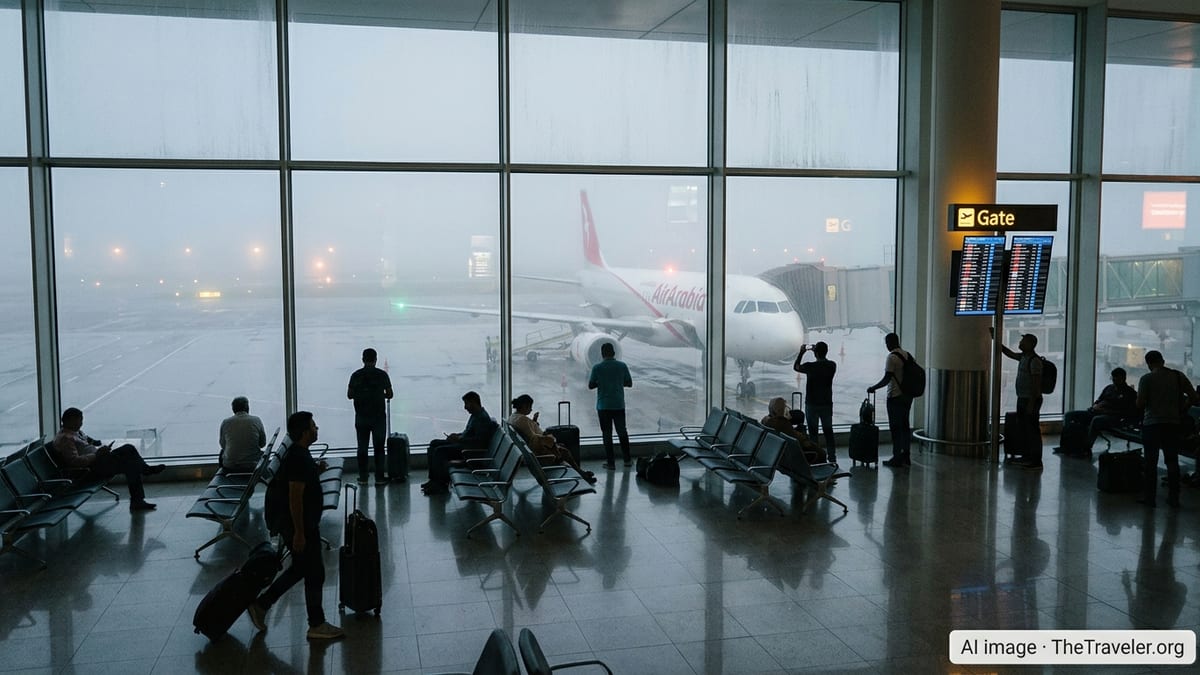
Weather Turbulence and Recent Strikes Combine to Snarl Operations
The latest wave of disruption follows several days of operational strain on Portugal’s network, as strong winds in the Atlantic islands and the lingering impact of a nationwide strike earlier this month combine to stretch airline and airport schedules. Publicly available information from ANA Aeroportos de Portugal and local media coverage indicate that Madeira’s Cristiano Ronaldo International Airport has faced particular challenges, with high winds forcing repeated suspensions of landings and takeoffs since June 8.
Reports from Portuguese outlets describe multiple arrivals to Madeira being unable to land and, in many cases, diverted to alternative airports such as Porto Santo, while others were canceled outright. Flights from mainland hubs including Lisbon and Porto, as well as services from cities such as Lyon, London, Madrid and Basel, have all been affected in recent days. Low cost carriers and full service airlines alike have seen schedules disrupted, generating knock on delays across the wider network.
At the same time, travelers are still feeling the aftershocks of industrial action that hit Portugal’s aviation sector around June 2 and June 3. Airline travel advisories and passenger accounts on public forums describe widespread schedule changes, including cancellations of transatlantic services into Ponta Delgada and mainland routes from Lisbon and Porto. While the strike period has formally ended, aircraft and crew rotations remain out of position, amplifying the impact of fresh weather related challenges.
The combination of meteorological instability and earlier labor action has left airlines juggling limited spare capacity at the very start of the peak summer travel window. As a result, relatively localized events, such as wind gusts at Madeira or low visibility at island airports, are translating into significant disruption for passengers across the country and on connecting European and long haul routes.
Lisbon and Porto See Knock On Delays as Island Airports Struggle
Lisbon Airport, Portugal’s main international gateway, has recorded the highest number of delayed flights in the latest disruption tally, reflecting its role as both a national hub and a key transfer point between Europe, Africa and the Americas. Flight tracking data and airport status boards on June 10 show delays stacking up through the morning and early afternoon departure banks, with services to island destinations such as Ponta Delgada and Terceira among those running late.
Porto Airport, the country’s second largest mainland gateway, has also seen a wave of delays and a handful of cancellations as aircraft returning from Madeira and the Azores arrive late or are diverted. Industry schedules indicate that Porto is heavily served by European low cost carriers alongside TAP’s domestic and intra European network, making it particularly vulnerable when operational problems arise at feeder airports. Even modest timetable slippages can quickly ripple into later rotations to cities across Western and Central Europe.
On the Atlantic islands, the operational picture has been more acute. In Madeira, local news reports note a succession of cancellations and diversions over June 8 and June 9, with some aircraft remaining in holding patterns before abandoning approaches due to strong crosswinds. At Ponta Delgada, the main Azores hub, publicly available flight status pages show irregularities on both domestic and international services, including connections to North America. Terceira, which relies heavily on a small number of daily links to Lisbon and other islands, has also experienced schedule changes that can significantly affect onward travel plans.
These challenges highlight the dependency of Portugal’s air transport system on a handful of critical nodes. When weather or labor events limit operations at island airports, mainland hubs such as Lisbon and Porto quickly experience secondary congestion as airlines seek to re accommodate passengers and reposition aircraft.
Major Carriers Affected Across European and Long Haul Networks
The latest figures of 328 delays and 16 cancellations span a wide range of airlines operating in and out of Portugal. TAP Air Portugal, as the country’s flag carrier and largest operator at Lisbon, has been at the center of the disruption, with domestic shuttles to Porto, Madeira and the Azores particularly exposed to weather and staffing related issues. Publicly accessible schedules and airline notices also indicate knock on impacts to European destinations served via Lisbon, as late arriving aircraft from island routes cascade into subsequent rotations.
Ryanair and easyJet, two of the largest low cost carriers in the Portuguese market, have reported operational interruptions on services linking Lisbon and Porto with cities including London, Manchester, Bristol and Basel. Media coverage from Madeira and flight tracking data show several of their flights either canceled, diverted or subject to lengthy delays as pilots wait for conditions to improve at the island’s weather sensitive runway.
International network airlines are also caught up in the disruption. Lufthansa and other European flag carriers rely on Lisbon and Porto as regional gateways feeding their long haul hubs in Frankfurt, Munich and beyond. When connections from Portuguese cities depart late or are canceled, passengers can miss onward flights, forcing airlines to arrange hotel stays and alternative routings. Transatlantic services to the United States and Canada via Ponta Delgada and Lisbon have also been affected around the strike period and subsequent operational recovery, according to airline advisories and passenger reports.
While most disruptions on June 10 are concentrated on short and medium haul sectors, the interconnected nature of airline scheduling means that relatively small timing shifts at regional airports can have consequences for intercontinental travelers. This is particularly true during the high season, when flights operate close to full and spare seats for rebooking are limited.
Travelers Face Long Queues, Missed Connections and Rebooking Challenges
For passengers, the statistics translate into long waits at departure gates, missed connections and uncertainty about when they will reach their destinations. Social media posts and traveler accounts on public forums over the past week describe crowded terminals at Lisbon and Porto, as well as frustration over last minute cancellations on routes to and from Ponta Delgada and other island airports.
Many travelers connecting in Lisbon from island services to European or transatlantic flights report being forced to rebook for later dates when disruption occurs late in the day or during concentrated strike periods. With aircraft operating near capacity, especially on Friday and weekend departures, options for same day or next day alternatives can be extremely limited. Families on holiday, business travelers and diaspora communities returning to North America are all among those affected.
At Madeira, images and eyewitness descriptions published by local news outlets portray aircraft circling while awaiting safe landing windows, as well as departures held at gates while crews monitor changing wind speeds. Such conditions add further stress for travelers, even when flights ultimately operate, and can leave airlines with narrow margins to complete subsequent legs without delay. Extended duty limits for crews and aircraft maintenance windows can also force carriers to cancel later services once schedules have slipped beyond certain thresholds.
These passenger experiences underscore how sensitive Portugal’s aviation system is to both labor related disruption and weather events. In regions like the Azores and Madeira, where sea travel is time consuming and alternative airports are limited, air transport interruptions rapidly escalate from inconvenience to significant logistical and economic challenges.
Outlook for the Coming Days and Advice for Passengers
Forecasts for the coming days indicate that weather conditions in the Atlantic islands may remain variable, raising the potential for further localized disruptions, particularly at Madeira’s wind exposed airport. Airlines are likely to continue adjusting schedules on short notice to preserve safety margins and manage crew and aircraft availability, especially as they work to normalize operations following the early June strike.
Publicly available guidance from carriers and airport operators emphasizes the importance of passengers checking flight status frequently before traveling to the airport, using airline apps and notification services where available. Travelers with tight connections through Lisbon and Porto, especially those heading to long haul destinations, are being advised in media commentary and online forums to allow extra time, consider earlier feeder flights where possible, and prepare for the possibility of overnight stays if delays snowball.
Industry observers note that the current situation arrives just as Portugal’s tourism season accelerates, with strong demand for beach destinations, city breaks and island holidays. This increases the stakes for airlines and airports as they seek to minimize further disruption. Any additional episodes of severe weather or renewed labor action could quickly tip the system back into wider irregular operations.
For now, travelers across Portugal are being urged, through public information channels, to remain flexible with their plans, keep documentation and booking references to hand, and stay alert to updates from airlines and airports. With 328 flights already delayed and 16 canceled in a single day across Lisbon, Porto, Madeira, Ponta Delgada and Terceira, the latest turbulence in the country’s skies is a reminder of how swiftly conditions can change for passengers heading to and from the Atlantic edge of Europe.