


More news on this day
Passengers at Václav Havel Airport Prague experienced significant disruption on 29 June, as publicly available airport data showed 163 delayed departures and three cancellations affecting some of Europe’s busiest routes.
Get the latest news straight to your inbox!
Delays Ripple Across Key European Routes
The disruption at Prague’s main international gateway hit a broad mix of short haul and medium haul services, affecting connections to London, Paris, Frankfurt, Rome and several other major hubs. Schedule and tracking data indicated that flights operated by Lufthansa, Ryanair, easyJet and other European carriers were among those most affected by delayed departures and missed slots.
Routes linking Prague with London and Paris, two of the airport’s busiest Western European destinations, saw a succession of late pushbacks and extended ground times. Services to London Heathrow and London Stansted faced rolling delays as aircraft arriving late from earlier rotations struggled to make up time on tightly packed timetables. Paris Charles de Gaulle and Paris Orly services were similarly impacted, with some departures leaving significantly behind schedule.
Frankfurt and Rome, which serve as important transfer points for passengers heading beyond Europe, also recorded a series of disrupted operations. Lufthansa flights between Prague and Frankfurt left later than scheduled, contributing to missed connections further along the network. Ryanair and other low cost operators on Prague to Rome routes reported departure and arrival times that slipped well beyond published schedules, adding to passenger frustration and crowding at gate areas.
Although long haul operations from Prague were less directly affected, the knock on impact of delayed feeder services meant that some connecting travelers faced tighter transfer windows or were forced to rebook itineraries entirely. This created additional pressure on customer service desks and digital rebooking channels throughout the day.
Lufthansa, Ryanair, easyJet and Others Struggle With Knock On Effects
The day’s disruption in Prague unfolded against a wider backdrop of operational strain across Europe’s aviation network. Recent weeks have seen a combination of adverse weather, air traffic control restrictions and staffing pressures at airlines and airports contribute to growing punctuality challenges for carriers including Lufthansa, Ryanair and easyJet.
Industry performance data for June has pointed to rising average delays per flight across the continent, with major hubs such as Frankfurt, Munich and Paris Charles de Gaulle experiencing periodic spikes in late operations and cancellations. On 29 June, separate reporting on Germany’s aviation network highlighted more than a thousand delays and dozens of cancellations across major German airports, underscoring how quickly local disruption can spread through shared fleets and tight aircraft rotations.
For full service carriers such as Lufthansa, the impact in Prague was compounded by the role of Frankfurt and Munich as major connection points. A late departure from Prague could translate into missed long haul links beyond Germany, prompting rebookings and potential overnight stays for affected travelers. For low cost airlines such as Ryanair and easyJet, which typically operate high aircraft utilization, even modest delays early in the day risked cascading into longer hold ups by afternoon and evening.
Publicly available performance statistics have also shown that some of the affected carriers have been operating in a challenging environment for several months, with winter weather events, industrial actions and infrastructure constraints all feeding into a higher baseline of disruption. The situation in Prague on 29 June appeared to reflect that wider pattern, rather than an isolated operational issue.
Passengers Face Long Queues, Missed Connections and Rebookings
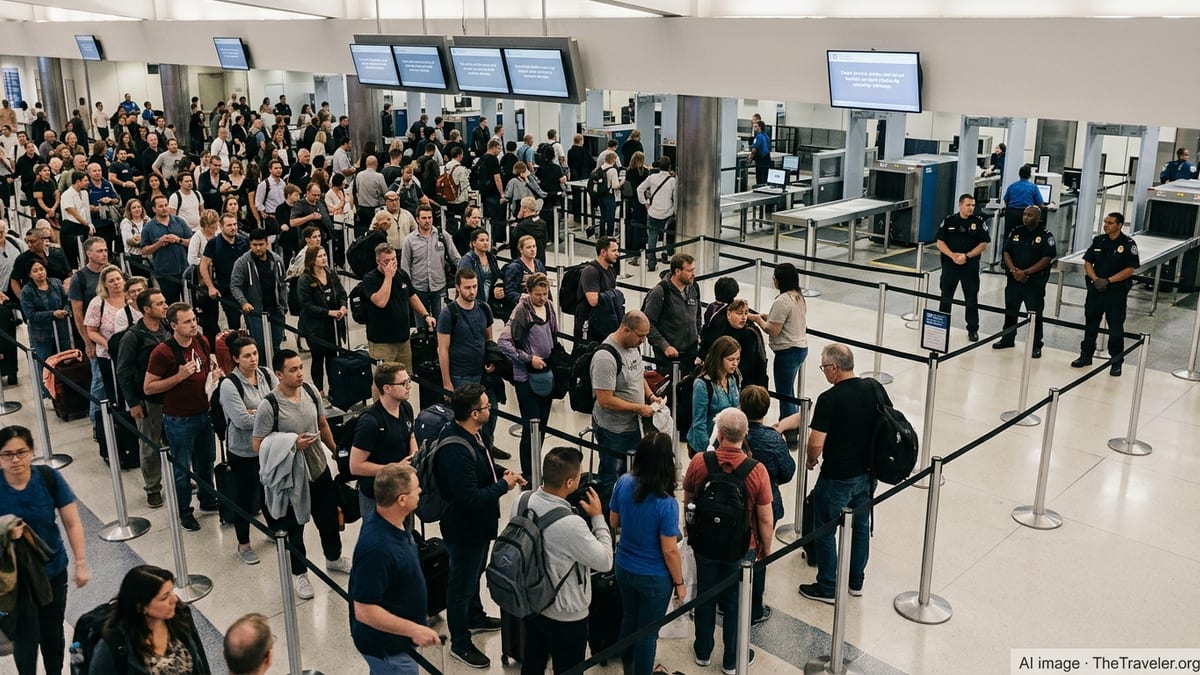
For travelers passing through Václav Havel Airport, the operational problems translated into long queues at check in counters, security checkpoints and airline service desks. With more than 160 flights departing behind schedule, screens across the terminals showed a dense line of amber and red status updates, making it difficult for some passengers to quickly assess the likelihood of making onward connections.
Those connecting via London, Paris, Frankfurt and Rome were particularly exposed. Given these airports’ roles as major transfer hubs, delays on Prague departures meant reduced connection times or missed onward flights, particularly for itineraries with minimum layovers. In some cases, passengers reportedly had to rebook onto later services or accept alternative routings through different European hubs.
Travel rights organizations have repeatedly advised passengers in such situations to keep boarding passes, booking confirmations and any written notices of delay or cancellation. Under European passenger protection rules, travelers on flights departing from Prague with European carriers may be entitled to assistance, re-routing or compensation depending on the length of the delay, the distance flown and the underlying cause of the disruption.
However, navigating those rules in real time can be difficult. As lines lengthened, many travelers turned to airline apps, web portals and third party claims platforms for updates, rebooking options and guidance on potential eligibility for financial redress once their journeys were complete.
Operational and Regulatory Pressures Behind the Disruption
Aviation analysts point to a mix of structural and short term factors behind the latest episode of travel chaos in Prague. At a network level, Europe’s air traffic management system has been operating near capacity on many peak days, leaving little flexibility when bad weather, technical issues or staffing constraints arise. When a major hub such as Frankfurt or Paris experiences a spike in holding patterns or runway restrictions, the effects can swiftly propagate to smaller airports that depend on those hubs for connectivity.
Industry briefings from European air traffic bodies in recent weeks have highlighted persistent en route and airport related delays, as well as growing pressure on airlines that have ramped capacity back to or above pre pandemic levels. Carriers such as Ryanair and easyJet remain among the busiest operators in Europe, while large legacy groups including Lufthansa continue to rebuild long haul networks and restore frequencies, often with tight aircraft and crew resources.
Regulatory expectations add another layer of complexity. European Union rules require airlines to provide care, assistance and, in specific circumstances, compensation to passengers facing long delays or cancellations. While those measures are designed to protect travelers, they also create financial and logistical challenges for airlines when sudden operational shocks occur. Some carriers have warned that recurring bouts of air traffic control disruption and weather related delays are making it harder to maintain punctuality without building significant slack into schedules.
Prague’s experience on 29 June illustrates how these dynamics can converge. Even in the absence of a single headline event, such as a strike or severe storm directly over the airport, the combined effect of upstream delays, tight turnarounds and limited spare capacity resulted in a high number of late departures and a small but significant set of cancellations.
What Travelers Through Prague Should Expect Next
With the peak summer season underway, further periods of congestion at Václav Havel Airport and across Europe’s major hubs remain possible. Historical performance data suggests that busy days around weekends and major holidays are particularly vulnerable to compounded delays, especially when several carriers operate back to back rotations on popular leisure routes.
Travel experts generally recommend that passengers transiting through hubs such as London, Paris, Frankfurt and Rome build in longer connection times than the absolute minimums offered by some booking engines. Allowing additional buffer time can reduce the risk of missed onward flights when departure boards start to fill with delays like those recorded in Prague on 29 June.
For those yet to travel, monitoring flight status closely on the day of departure and having alternative routes in mind can help mitigate the impact of sudden schedule changes. Travelers are also encouraged to familiarize themselves with their rights under European passenger protection rules before arriving at the airport, so that they can make informed decisions if disruption occurs.
Airlines and airports across the region are expected to continue adjusting schedules, staffing and ground operations in an effort to manage the pressures of the summer peak. Whether those measures will be sufficient to prevent further episodes of travel chaos similar to the one seen at Václav Havel Airport Prague will become clearer as the season progresses.