


More news on this day
Australia has eased its highest travel warnings for several Middle Eastern hubs, with Qatar now joining the United Arab Emirates, Bahrain, Israel and Kuwait in reopening to Australian travellers after a US–Iran breakthrough, a move expected to restore mainstream travel insurance coverage and accelerate the recovery of global aviation giants Emirates, Qatar Airways and Etihad Airways.
Get the latest news straight to your inbox!
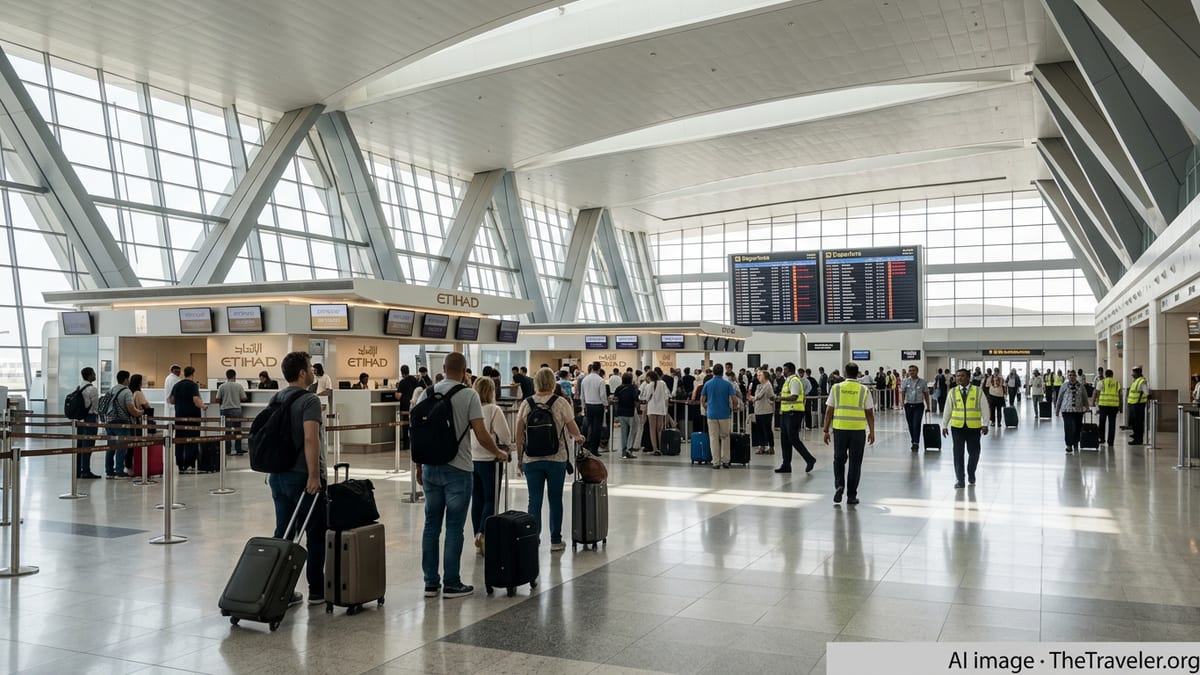
DFAT Downgrades Risk for Key Gulf and Israel Gateways
Publicly available Australian government travel advice shows that Bahrain, Israel, Kuwait, Qatar and the United Arab Emirates have recently been downgraded from the highest Level 4 “Do not travel” warning to Level 3 “Reconsider your need to travel”. The shift follows months of heightened alerts linked to the Iran conflict and widespread airspace closures that effectively shut down many of the region’s busiest transit hubs for Australians.
The change means Australians are no longer being told outright to avoid these destinations for any purpose, including transit. Instead, travellers are urged to undertake more detailed risk assessments before booking, monitor evolving security conditions and remain prepared for sudden changes to flight schedules or routing.
The downgrades come shortly after reports of a breakthrough in negotiations between the United States and Iran, which have produced a ceasefire arrangement and set the stage for a broader peace framework. Analysts described the diplomatic development as a turning point for regional stability, even as they caution that the security outlook remains fragile and subject to rapid reversal.
For Australia, the move reflects a balancing act between acknowledging the reduced threat to civilian aviation and recognising that any renewed escalation could once again affect airlines overflying or operating in the Gulf and eastern Mediterranean corridors.
Insurance Cover Returns for Many Australian Travellers
The shift from Level 4 to Level 3 has a practical impact that goes well beyond government advisories: it changes how many Australian travel insurers treat trips routed through the affected countries. Policy documents published by major insurers typically state that cover related to a destination can be restricted or void if a Level 4 “Do not travel” warning is in place at the time of departure.
With Qatar, the UAE, Bahrain, Israel and Kuwait now sitting at Level 3, insurers are beginning to restore standard coverage for medical emergencies, cancellations and disruptions, although exclusions linked to war or terrorism still generally apply. Consumer guidance from comparison platforms and insurance brands indicates that travellers should carefully check product disclosure statements, as some policies may still limit benefits where a government alert cites an elevated risk of armed conflict.
Travel industry commentary suggests that the return of insurable routings through Doha, Dubai and Abu Dhabi is a critical step in rebuilding confidence among Australians headed to Europe, Africa and parts of Asia. During the height of the crisis, some Australian-based insurers either refused new policies for itineraries via the Gulf or made clear that any claims tied to those transit points would not be honoured.
Agents and corporate travel managers are now advising clients that, while cover has broadly improved, they should lock in comprehensive policies at the time of booking and continue to monitor Smartraveller updates up to and including the day of departure, in case advice levels change again.
Gulf Super-Connectors Rebuild Networks After Airspace Shocks
Emirates, Qatar Airways and Etihad Airways, often described as the Gulf’s “super-connector” trio, bore the brunt of the Middle East airspace shutdown earlier in the year, as conflict between the United States and Iran spilled across key flight corridors. Aviation and hospitality analyses published in recent weeks detail how aircraft were forced into extended reroutes around closed or high-risk zones, driving up fuel costs and creating complex operational bottlenecks.
New schedules and travel updates from Emirates show the carrier steadily reinstating frequencies across Europe, Asia and Australasia, with capacity approaching pre-crisis levels on several trunk routes. Etihad has outlined similar plans, using Abu Dhabi as a growing hub for connecting traffic, while Qatar Airways has issued multiple travel alerts setting out flexible rebooking options for passengers affected by earlier disruptions.
With Australian government advice now permitting travel and transit through the main Gulf hubs at a Level 3 setting, airline strategists expect to see more Australians once again funnelling through Dubai, Doha and Abu Dhabi on their way to long-haul destinations. Before the conflict, these hubs handled a significant share of Australia–Europe and Australia–Africa itineraries, and industry modelling indicates that even a partial restoration of that flow should support load factors and revenue through the 2026–27 northern winter.
However, the rerouting period revealed how vulnerable global connectivity is to regional conflict. Industry observers note that many carriers and airports have begun reviewing their contingency planning, including alternative routings and fuel hedging strategies, to limit the impact of any future Middle East flare-up on worldwide networks.
US–Iran Breakthrough Eases, But Does Not Eliminate, Aviation Risk
The latest ceasefire and related diplomatic contacts between Washington and Tehran have reduced the immediate threat of missile and drone activity affecting civilian aviation over the Gulf. Commentaries from regional business media argue that the de-escalation has already helped to stabilise oil prices and calm insurance markets, contributing to a more predictable operating environment for airlines.
Specialist hospitality and aviation research published in recent weeks notes that the Iran conflict produced one of the sharpest non-pandemic shocks to Gulf tourism in recent memory, as travellers diverted away from the region and airlines were forced to suspend or reroute services at short notice. The same research suggests that, providing the ceasefire holds and is translated into a durable settlement, hotel occupancies and passenger volumes at Gulf hubs could recover to near pre-crisis levels over the next 12 to 18 months.
Despite the improved outlook, risk consultancies continue to characterise the regional security environment as volatile. For airlines, this translates into a need for ongoing overflight risk assessments and close cooperation with air navigation authorities. For passengers, it means that advice and routing options can change quickly, particularly on routes over or near conflict zones.
Australian travellers are being urged by consumer advocates to factor this uncertainty into their planning, including allowing for longer connection times, retaining flexibility on dates where possible and ensuring they have access to contingency funds should rebookings or extended stopovers become necessary.
Australia’s Long-Haul Travel Corridor Reopens, Cautiously
The reopening of Qatar alongside the UAE, Bahrain, Israel and Kuwait effectively restores a vital long-haul corridor for Australians. During the months of intense hostilities, many travellers opted to route via Southeast Asia or direct services with airlines such as Qantas and some European carriers, often at higher fares and with limited availability.
Early booking data cited by travel industry publications suggests that demand for Gulf-transit itineraries from Australia is already beginning to rebound following the advisory downgrades. Price-sensitive travellers, including students and families visiting relatives in Europe, appear particularly keen to take advantage of the often competitive fares offered by Emirates, Qatar Airways and Etihad compared with some alternative routings.
At the same time, travel advisors recommend that Australians avoid treating the change in advice as a complete return to business as usual. While major hubs are operating and insurance coverage has largely resumed, airlines are still adjusting schedules, and the geopolitical backdrop remains unsettled. The message from industry observers is that the corridor is reopening, but that flexibility and up-to-date information remain essential companions for any journey through the region.