


More news on this day
Once a niche product for cruise insiders, repositioning voyages are gaining wider attention as travelers look for slower, cheaper ways to cross oceans and explore lesser-known ports.
Get the latest news straight to your inbox!
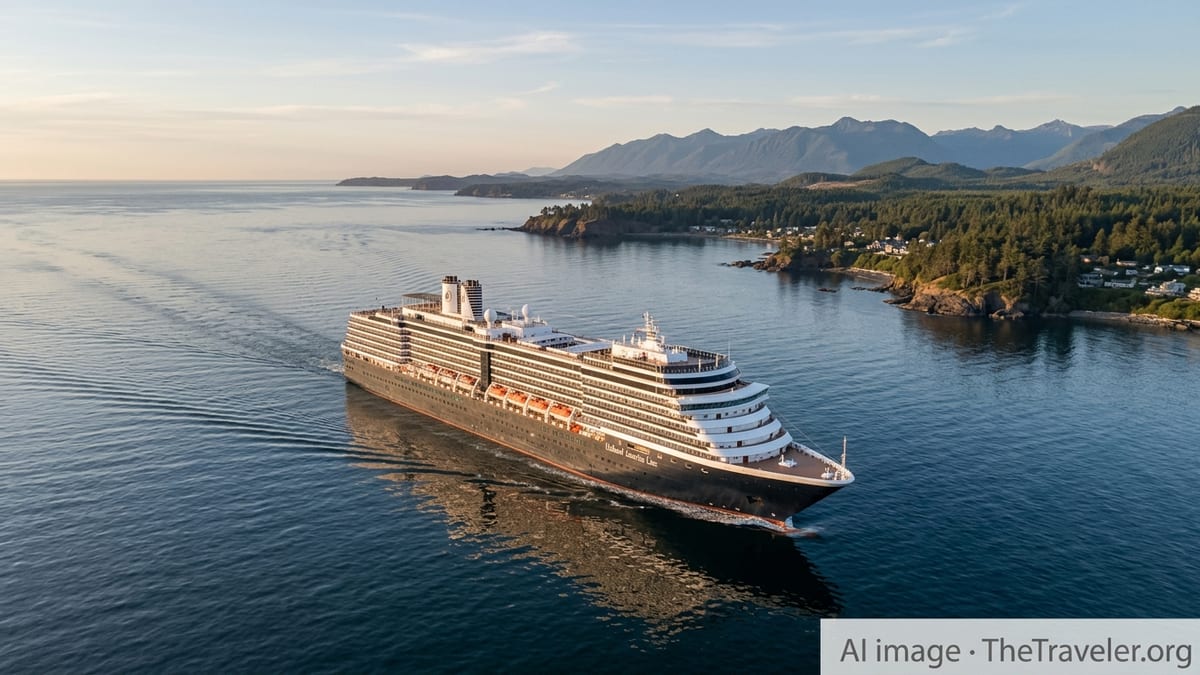
One-Way Voyages Built Around the Ship, Not the Itinerary
Repositioning cruises take place when a line moves a ship from one region to another at the start or end of a season, such as shifting a vessel from the Caribbean to Europe in spring or from Alaska back to warmer waters in autumn. Instead of running empty, cruise companies sell these one-way passages to guests, creating sailings that are structured around the ship’s relocation rather than a traditional round-trip loop.
Because the priority is getting the ship to its next home port, itineraries often stretch across continents and oceans. Publicly available route maps show transatlantic crossings between Florida and Spain, transpacific journeys linking Japan and the U.S. West Coast, and longer runs connecting the Mediterranean with South America. Many of these sailings operate only once or twice a year on a given ship, adding to their appeal for travelers seeking unusual journeys.
Industry guides note that these voyages typically include more sea days than standard cruises, with several itineraries running 14 to 30 nights or longer. That structure can mean fewer onshore excursions but more time to settle into a ship’s routines, making repositioning trips particularly attractive to travelers who see the vessel itself as the main destination.
Lower Per-Day Fares Drive New Interest
Price is a major reason repositioning cruises are gaining traction. Comparisons published by cruise specialists indicate that per-day rates on these sailings can be significantly lower than the same ship’s fares during peak Caribbean or Mediterranean seasons. Some analyses place typical savings at 50 to 60 percent, with entry-level cabins on longer crossings occasionally advertised under 100 dollars per person per night.
The economics are straightforward. These sailings must operate whether or not they are full, and they usually involve fewer port calls than standard itineraries. Fewer stops translate into lower port fees for the line, and publicly available fare data suggests those savings are often passed on to passengers in the form of discounted rates, complimentary onboard credit, or bundled Wi-Fi and beverage packages.
Discount-focused travel outlets are now highlighting repositioning options for budget-conscious vacationers, retirees on flexible schedules, and digital nomads who can work remotely from sea. Examples for 2025 and 2026 include two- and three-week crossings on mainstream and premium lines that undercut typical long-haul business-class airfares while combining transportation with accommodation and meals.
These lower prices are not guaranteed on every sailing. Industry commentary points out that one-way itineraries still incur higher one-way airfare costs for passengers and can sell out when capacity is limited. Even so, the overall pattern of comparatively reduced cruise fares has helped repositioning voyages gain visibility beyond cruise forums and specialist blogs.
Unusual Ports and Off-Season Timing
For adventurous travelers, the real draw may be the routes themselves. Because ships are moving between regions, they frequently call at ports that do not feature on standard seven-night loops, including smaller Atlantic islands, remote Pacific archipelagos, and secondary cities positioned along global shipping lanes. Travel features have highlighted repositioning itineraries that pair marquee ports with less-visited stops in Canada’s Atlantic provinces, the Canary Islands, or the Pacific coast of Central America.
These cruises often run in shoulder seasons such as April, May, September, and November, when demand is lower and weather can be less predictable. Public cruise schedules for 2026 show ships repositioning through the Panama Canal at the fringes of Alaska’s summer, and transatlantic crossings that skirt northern routes via Iceland or Greenland outside the peak European season.
The timing can be a benefit for flexible travelers who prefer smaller crowds and cooler conditions in popular destinations. However, it can also mean shorter daylight hours or choppier seas on some ocean crossings. Industry advisories encourage guests to factor seasonality into their planning, noting that ports on these routes may have more limited tourist services than they do at the height of summer.
Despite these variables, reports suggest that many travelers view the combination of rare ports, shoulder-season ambiance, and extensive sea time as part of the appeal, particularly those seeking experiences that diverge from standard island-hopping routes.
Slow Travel at Sea Appeals to Remote Workers and Long-Stay Guests
Repositioning cruises align closely with the broader rise of slow travel. With numerous consecutive sea days, these sailings encourage passengers to adopt a more relaxed pace, using the ship as a base for reading, fitness, creative projects, or remote work. Recent coverage notes that digital nomads and location-independent workers are increasingly experimenting with long ocean crossings as an alternative to back-to-back flights and hotel stays.
Onboard, the rhythm can be markedly different from a typical weeklong itinerary dominated by port calls. Daily programs on longer repositioning routes emphasize enrichment lectures, language or dance classes, extended dining hours, and wellness offerings such as spa access and yoga, according to cruise line marketing materials. The absence of constant port days can reduce the pressure to schedule activities, appealing to travelers who want unstructured time.
Connectivity remains a key consideration for those planning to work at sea. Cruise reviewers report that upgraded satellite Wi-Fi networks on newer ships have made it possible to handle email, video calls, and streaming in many regions, although speeds and reliability can still vary by ship and route. Remote workers eyeing repositioning itineraries are advised in consumer guides to check coverage maps and read recent passenger feedback before relying on a crossing as a mobile office.
The demographic mix on these voyages can also differ from standard holiday periods. Coverage from travel media and online communities indicates a noticeable presence of retirees, long-term travelers, and solo guests who can commit to multiweek itineraries, contributing to a more residential, less hurried atmosphere on board.
Who Repositioning Cruises Are Best Suited For
As interest grows, consumer advice pieces increasingly frame repositioning cruises as a specialized option rather than a universal fit. Analysts describe them as well suited to travelers who value time and experience over a packed sightseeing schedule, and who are comfortable with the logistics of one-way travel.
Travel planning resources emphasize that these cruises generally work best for guests with flexible dates, a tolerance for variable weather, and an interest in spending many days at sea. They can be particularly attractive to those looking to relocate seasonally between continents, such as snowbirds moving between North America and Europe, or to travelers seeking to combine a major trip with an extended transoceanic crossing.
On the other hand, families tied to school holidays or travelers who prioritize frequent port visits may find traditional round-trip cruises more suitable. One-way itineraries also require additional planning around flights, visas, and potential pre- or post-cruise stays, which can erode some of the fare savings if booked at the last minute.
Even with these caveats, recent travel coverage portrays repositioning cruises as an increasingly visible corner of the cruise market, reshaping how some travelers think about long-distance journeys. For a growing number of guests, the combination of discounted fares, unusual ports, and the chance to embrace slow travel at sea is turning a once-overlooked operational necessity into a sought-after adventure.