


More news on this day
Mexico’s new federal head tax on foreign cruise passengers is set to double from 5 to 10 dollars per person on August 1, 2026, a planned escalation that will lift port-related costs for most sailings calling at Mexican ports.
Get the latest news straight to your inbox!
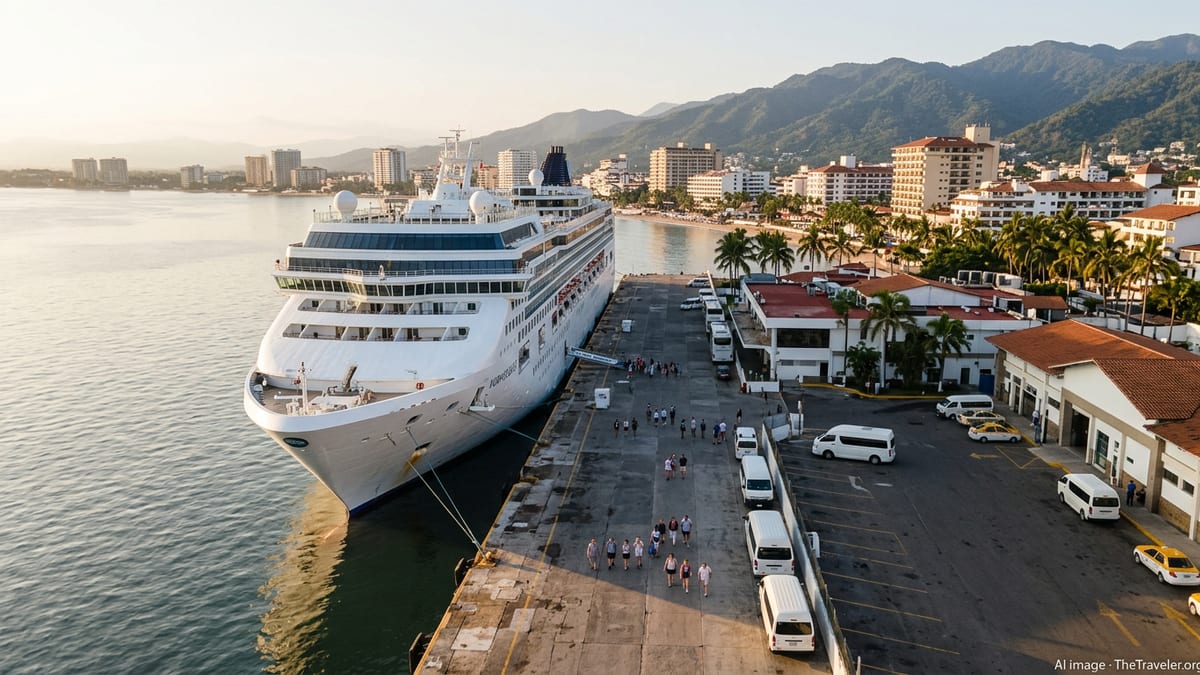
Planned Increase Follows Phased Rollout of New Cruise Tax
The incoming 10 dollar charge is the second step in a multi year schedule approved by Mexico’s federal government after earlier debate over a much higher levy. Reports indicate that cruise passengers, who for years were classified as in transit and exempt from Mexico’s general non resident tourist duty, were first brought into the system through a compromise 5 dollar fee that took effect in mid 2025.
According to industry coverage, the compromise followed an initial proposal for a 42 dollar per passenger charge that drew strong pushback from cruise interests and tourism stakeholders concerned about Mexico’s competitiveness in the Caribbean market. The revised schedule instead introduced a low starting rate with automatic future increases. Published reports and tourism briefings summarize the calendar as 5 dollars per passenger from July 2025 through July 2026, rising to 10 dollars from August 1, 2026, then climbing again to 15 dollars in 2027 and 21 dollars by 2028.
Government documents on rights and port tariffs describe the fee as a federal non resident duty tied to short stay international visitors arriving by sea. In practice, cruise lines collect the amount on behalf of the authorities and remit it through established port and immigration channels, alongside other existing port and security charges.
The increase scheduled for August 2026 does not require new legislation, as it is embedded in the previously announced phased structure. For travelers, however, the effective change will be most visible in the way cruise companies itemize taxes and fees on booking pages and invoices in the months around the increase date.
How the 10 Dollar Charge Appears in Cruise Fares
Publicly available fare examples and cruise line advisories show that the Mexican head tax is generally not listed as a stand alone line labeled cruise tax. Instead, it is folded into broader categories such as taxes, fees and port expenses, which may also include local port authority charges, harbor pilotage, security fees and environmental levies.
Travel industry explainers note that the tax applies to most foreign cruise passengers whose itinerary includes at least one Mexican port of call, regardless of whether they disembark. Some clarifications indicate that the charge is assessed once per sailing rather than once per Mexican stop, which can be significant on itineraries that visit multiple ports in the country.
From a budgeting perspective, the August 2026 increase means that a typical couple on a Mexico sailing will see an additional 10 dollars in mandatory charges compared with voyages scheduled before that date, while a family of four would pay 20 dollars more. Analysts point out that this increment is modest next to total cruise vacation costs but is one of several government driven fees that have been rising globally.
Travel advisors and consumer guides suggest that passengers who want to see the impact of the change can compare the taxes and fees component of similar itineraries that depart before and after August 1, 2026. They also recommend paying attention to whether a booking was made before or after any cruise line specific cutoff dates, since some companies adjust how new or increased taxes are collected based on when the reservation was created.
Impact on Mexican Ports and Cruise Itineraries
The higher charge arrives at a time when Mexico’s cruise sector is recovering and in some regions surpassing pre pandemic levels. Tourism statistics from Mexico’s Datatur platform show that ports such as Cozumel and Mahahual on the Caribbean side account for a substantial majority of the country’s cruise passenger arrivals, with Pacific gateways like Cabo San Lucas, Mazatlán and Puerto Vallarta also handling large volumes.
Reports from regional port authorities in Quintana Roo and national tourism data indicate that ship calls and passenger numbers strengthened through 2025 and into 2026 even after the introduction of the initial 5 dollar fee. Local port executives cited in Mexican media coverage have argued that the phased structure, starting from a low base, helped ease concerns about losing traffic to rival Caribbean destinations.
Industry observers note that mainstream cruise lines typically evaluate port fees, fuel costs, demand and onboard revenue together when designing itineraries. Some analysis suggests that while the 10 dollar per person charge adds to the cost of calling at Mexican ports, it remains lower than certain head taxes or combined port costs in other regions, which may limit the risk of large scale itinerary shifts.
At the same time, travel forums and cruise community discussions reflect ongoing debate about whether rising government imposed fees, including Mexico’s scheduled increases through 2028, could gradually erode price advantages on popular Caribbean and West Coast routes. Much will depend on how global cruise pricing and competing ports’ policies evolve over the same period.
Where the Additional Revenue Is Expected to Go
Mexico’s federal authorities have framed the cruise head tax as part of a broader strategy to capture more revenue from short stay visitors who place demands on local infrastructure but historically contributed less in direct taxes than land based tourists. Official notices and summaries of the Federal Rights Law changes reference objectives such as port development, environmental management and strengthening services in high traffic coastal areas.
Public policy commentary in Mexican business press and maritime industry outlets links the new revenue stream to investment needs in berthing capacity, dredging, security upgrades and passenger terminal improvements, particularly in ports that host the largest cruise ships. Some analysts argue that a predictable, earmarked tax schedule can help justify long term funding for projects that maintain Mexico’s appeal as a cruise destination.
Skeptical voices in tourism opinion pieces and traveler commentary question whether the funds will consistently reach front line port communities or be absorbed into general federal coffers. Given the multi year inflation in the tax rate up to 21 dollars by 2028, transparency in how the income is allocated is identified as a key concern for local stakeholders seeking lasting benefits from cruise traffic.
Environmental organizations have also highlighted the potential for part of the head tax revenue to support coastal conservation, waste management and monitoring of air and water quality near busy cruise ports. While there is no uniform requirement tying the fee directly to specific green projects, advocates see the growing revenue as an opportunity for targeted programs.
What Cruise Travelers Should Watch in 2026 and Beyond
For travelers planning itineraries that include Cozumel, Costa Maya, Progreso or Pacific ports in Mexico, the most immediate consideration is timing. Sailings departing before August 1, 2026 will typically reflect the current 5 dollar per person rate, while those departing on or after that date will incorporate the higher 10 dollar charge, subject to each cruise line’s booking policies.
Consumer advocates note that the head tax is only one element in a wider landscape of changing travel costs. In recent years, cruise lines have adjusted automatic gratuities, drink package prices and onboard service fees, and several destinations have raised local tourism taxes. When combined, these measures can moderately increase the all in cost of a cruise even when base fares appear flat.
Travel planning resources recommend that prospective cruisers factor government taxes and port charges into their early budgeting rather than treating them as incidental add ons at final payment. Reviewing the breakdown of taxes and fees at checkout, and saving screenshots or confirmations, can help travelers understand shifts linked to policy changes such as Mexico’s phased head tax increases.
Looking ahead, the scheduled rise to 15 dollars in 2027 and 21 dollars by 2028 will likely draw renewed scrutiny from cruise companies, destination marketers and passengers. Whether Mexico maintains its current growth in cruise arrivals while gradually increasing the fee will be an important test of how sensitive the industry and its customers are to incremental government imposed costs.