


More news on this day
The United States cruise sector is marking a pivotal milestone in Alaska, as Royal Caribbean Group and its local partners celebrate the official opening of a rebuilt cruise terminal in Seward, positioning the small Kenai Peninsula city as a modernized gateway for some of the country’s most in-demand cruise itineraries.
Get the latest news straight to your inbox!
A Landmark Opening on Alaska’s Kenai Peninsula
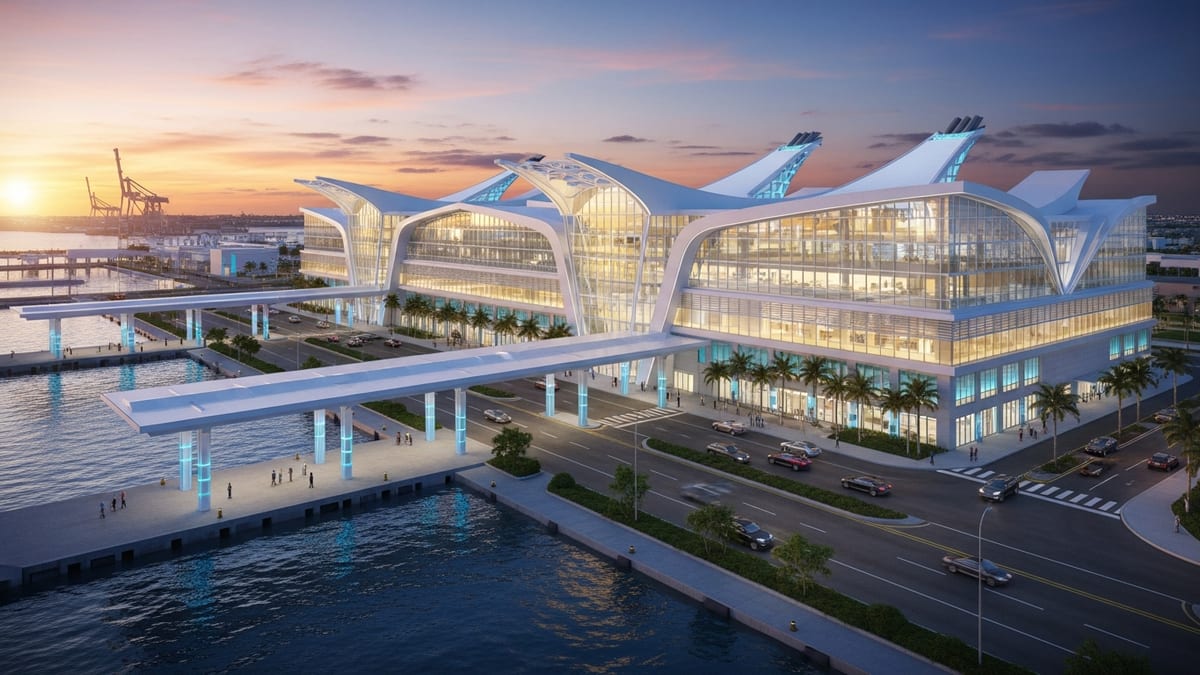
Publicly available information shows that Royal Caribbean Group, the Alaska Railroad Company and private developers have formally commemorated the opening of the Dale R. and Carol Ann Lindsey Alaska Railroad Terminal in Seward. The event, held in early June 2026, caps a multi‑year effort to replace the aging 1960s-era cruise dock and passenger facilities with a larger, purpose-built terminal designed for today’s big-ship market.
According to project fact sheets and recent industry coverage, the new facility combines a modern cruise terminal building with a double‑berth floating pier that can handle some of the largest vessels sailing in Alaska. The rebuilt terminal sits just north of Seward’s Small Boat Harbor, preserving the port’s role as an end‑point for one‑way Gulf of Alaska itineraries that connect to or from Vancouver and beyond.
The opening comes at a time when demand for Alaska cruises from the United States source market continues to expand. Cruise schedules indicate that Seward will again play a central role in southbound and northbound voyages, even after a season in which construction-related disruptions forced several ships to reroute to other ports.
From Delays and Construction Snags to Ribbon Cutting
The path to opening has not been entirely smooth. Local reporting and community advisories earlier in 2026 highlighted that construction and inspection findings at the new dock prompted late changes to spring cruise calls. Some sailings initially due to debark in Seward were temporarily redirected to Whittier while final work progressed at the passenger dock.
Specialist cruise publications and planning forums noted that Ovation of the Seas and other Royal Caribbean deployments saw early season calls adjusted by several days, compressing the timeline for the first passengers to use the new Alaska gateway. Notices to booked guests pointed to a revised start date within the 2026 season while crews completed remaining infrastructure and operational checks.
Despite the short-term disruption, the June opening signals that the project has moved beyond the construction phase and into full operation. Observers in the Alaska travel sector describe the terminal as a foundational investment that is expected to support cruise growth over decades, backed by a long-term commitment from Royal Caribbean Group and a multi-party agreement with public entities.
Inside the New Seward Cruise Experience
Project documentation shared by the Seward Company and Alaska Railroad outlines a terminal footprint that dramatically expands indoor space for passengers. Plans reference a large terminal building designed to handle check-in, security and baggage processing for thousands of guests at a time, with covered areas intended to protect travelers from the often-variable coastal weather.
The new floating pier replaces the fixed dock that had served Seward for more than half a century. Engineering details described in fact sheets indicate that the berths are designed to accommodate the deeper drafts and greater length of today’s large cruise ships. This configuration is expected to speed up docking and departure procedures, while also improving the interface between ship, terminal and landside transport.
Logistics around the terminal are also changing. Local updates suggest that motorcoaches and tour vehicles will stage closer to the terminal front instead of directly on the dock, altering how passengers move between ships, railroad connections and overland excursions. While some ancillary work such as paving and landscaping will continue into mid-season, the core passenger operations are now concentrated in the completed building and pier complex.
Economic Stakes for Seward and Alaska Tourism
Alaska tourism economic reports show that Seward’s cruise visitor numbers dipped during the construction period, as fewer ships called while heavy work progressed. Local and state travel agencies have framed the new terminal as a way to restore and eventually surpass previous passenger volumes, with multi-year projections tied to Royal Caribbean’s deployment plans and broader Alaska cruise demand.
The Alaska Railroad’s investment in the dock and terminal underscores the importance of the rail link between Anchorage and Seward. The line not only ferries cruise guests to and from ships but also supports pre- and post-cruise land tours that extend visitor stays in the region. With the new terminal in place, operators are preparing for tighter integration between rail schedules, coach transfers and cruise embarkation times.
For Seward itself, the terminal is expected to reinforce the town’s dual identity as both a working port and a tourism hub. Business groups and local commentary point to opportunities for shore excursions, overnight stays and independent travel that may grow as more passengers transit the port and learn about nearby attractions such as Kenai Fjords National Park.
What the New Terminal Means for Future Alaska Cruises
Cruise line deployment announcements indicate that Royal Caribbean will continue to base key Gulf of Alaska itineraries around Seward now that the terminal is open. The upgraded infrastructure allows for handling larger ships and simultaneous calls, supporting a more flexible pattern of northbound and southbound sailings between Alaska and Canada.
Travel planners note that the terminal’s launch may gradually reshape how guests structure their Alaska trips. With improved facilities in Seward, more passengers are expected to arrive earlier or stay longer in the port area, taking advantage of rail connections, local excursions and pre- or post-cruise stays arranged through tour operators or booked independently.
As the 2026 season progresses, cruise watchers will be tracking how efficiently ships move through the new facility and how quickly passenger volumes ramp back up to, and potentially beyond, previous levels. For now, the official opening marks a symbolic and practical turning point, signaling that one of Alaska’s key cruise gateways has entered a new era of capacity, connectivity and comfort for travelers sailing under the United States flag and from markets around the world.