


More news on this day
Ryanair is warning passengers flying through Lanzarote Airport to expect longer queues at border control this summer, as the European Union’s new Entry/Exit System continues to generate bottlenecks during peak travel periods.
Get the latest news straight to your inbox!
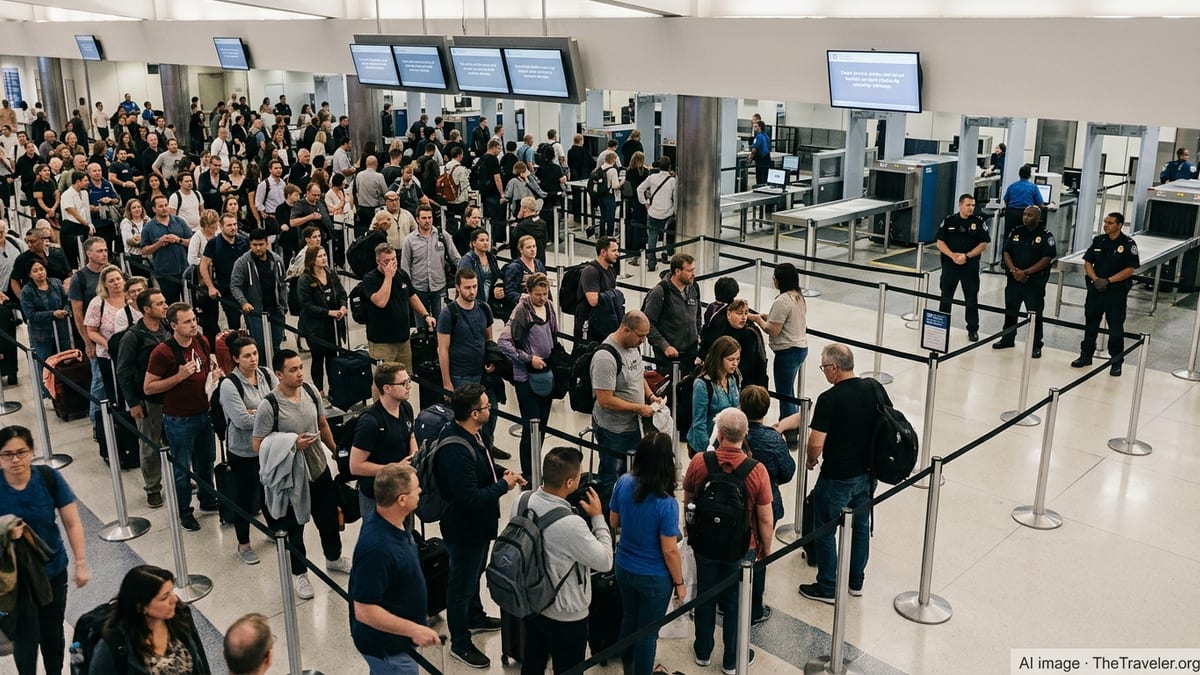
New EU Border Rules Meet Holiday Crowds
The EU Entry/Exit System, fully operational since April 2026, records biometric and passport data for non EU nationals entering or leaving the Schengen area. The system replaces traditional passport stamping with a digital register of border crossings and aims to strengthen security and improve monitoring of short stays across 29 participating countries.
Reports from European institutions and industry bodies describe the system as one of the most complex IT projects in the bloc’s border management framework. Airports and airlines are required to connect their operations to a central database, while border police register fingerprints and facial images for many third country travellers on their first encounter with the system.
In practice, this has translated into longer processing times at some airports, particularly where infrastructure and staffing have not kept pace with demand. Travel industry coverage notes that early weeks of full EES operation were marked by queues of up to several hours at certain border crossing points, highlighting the gap between system design and frontline capacity.
For leisure destinations such as the Canary Islands, where passenger volumes spike sharply during school holidays, the additional checks have arrived just as terminals face some of their busiest days of the year.
Lanzarote Identified as a Hotspot for EES Delays
Lanzarote Airport has emerged as one of a number of Spanish and European gateways where EES related congestion has been particularly visible. Travel forums, passenger accounts and regional media have pointed to extended queues at passport control, describing waits of more than an hour at busy times as non EU travellers complete biometric enrolment.
Previous reports from travellers this spring highlighted instances where departing flights from Lanzarote experienced disruption linked to long lines at border checks. In one widely discussed example, aviation enthusiasts and local commentators cited a Ryanair service that reportedly departed with tens of booked passengers still stuck in EES registration queues, underscoring the operational strain the system can place on tightly timed turnarounds.
On time performance data for carriers at Lanzarote over the past year indicate that delays have increased during peak months, although a range of factors beyond border control contribute to overall punctuality statistics. Nevertheless, the concentration of complaints around passport control and first time EES registration suggests that the border process has become a key pinch point at the island’s main airport.
Lanzarote is one of several Spanish holiday destinations that rely heavily on visitors from the United Kingdom and other non Schengen markets, meaning a large proportion of arriving passengers are subject to the new system’s checks.
Ryanair’s Warning to Holidaymakers
Ryanair has been one of the most vocal airlines about the challenges created by the EES rollout. Corporate statements and passenger communications issued in recent weeks emphasise the risk of long queues at passport control for UK and other non EU travellers heading to popular summer destinations, including Lanzarote.
The airline’s messaging highlights a list of airports where congestion has been most acute, with several Spanish leisure hubs named among locations experiencing repeated bottlenecks. In this context, Ryanair is advising customers to arrive at airports earlier than usual and to allow extra time not only for security and check in, but specifically for border control formalities linked to the new system.
Information shared with passengers stresses that initial EES enrolment, which includes capturing biometric data, typically takes longer than routine passport stamping. Once registered, subsequent crossings are expected to be faster, but current evidence from traveller accounts indicates that first encounters with the system remain a major source of delay when holiday traffic peaks.
Ryanair has also used public statements to support calls from sections of the aviation industry for more flexibility in how EES rules are applied during high season, citing concerns that an under resourced rollout risks undermining passenger experience and flight punctuality.
Industry Calls for Flexibility and More Resources
Aviation trade bodies representing airports and airlines across Europe have repeatedly warned that the Entry/Exit System would test border control capacity unless sufficient staff, technology and contingency plans were put in place. Joint communications from industry groups this year have urged national governments and EU institutions to extend temporary flexibilities built into the regulations so that border agencies can manage flows more effectively during peak travel periods.
These organisations argue that while the security objectives of EES are widely accepted, implementation has exposed structural weaknesses at some airports, particularly where physical space for kiosks is limited or where recruitment of additional border officers has lagged behind demand. They point to examples of two to three hour lines at certain locations during the first days of full operation as evidence that further adjustments are needed.
Analysts note that holiday focused airports such as Lanzarote face particular challenges because passenger flows are highly concentrated around weekend departures and school holiday turnover days. When a large share of these travellers require first time biometric registration, queueing times can increase rapidly if even minor technical or staffing issues arise.
Publicly available information shows that industry stakeholders are calling for measures such as dynamic staffing, better queuing layouts and expanded use of pre clearance options where permitted, alongside continued refinement of the technology behind the system.
What Passengers Using Lanzarote Airport Should Expect
For travellers planning to fly to or from Lanzarote with Ryanair in the coming weeks, the main impact of the ongoing EES bedding in period is likely to be longer and less predictable waiting times at passport control. Passenger reports suggest that off peak operations can still proceed relatively smoothly, but that delays become more pronounced when several flights of non EU visitors arrive or depart within a short window.
Airlines and airports continue to recommend that passengers subject to EES checks arrive well ahead of departure time, especially during school holidays and weekend turnover days popular with package tours. For many UK based holidaymakers, this means allowing extra time at both the UK departure airport and on the return journey through Spanish border control.
Travellers are also being urged to pay close attention to pre travel emails and app notifications from their airline, which may include airport specific guidance or updated advice as conditions evolve. For Ryanair passengers using Lanzarote, this may include reminders about recommended arrival times at the terminal and warnings about possible congestion at the border.
While the EU’s long term goal is that the Entry/Exit System will streamline border crossings and reduce manual passport stamping, the experience at Lanzarote and other leisure airports indicates that the short term reality is more complicated. Until additional staff, equipment and procedures are fully in place, Ryanair’s warning of longer queues at Lanzarote Airport is likely to remain a live concern for summer travellers.