


More news on this day
Travelers across Scandinavia, Germany and the United States faced cascading disruption on Friday as Scandinavian Airlines (SAS) canceled 17 flights and reported 59 delays across its network, snarling traffic through major hubs including Copenhagen, Oslo, Stockholm, New York, Boston and Berlin.
Get the latest news straight to your inbox!
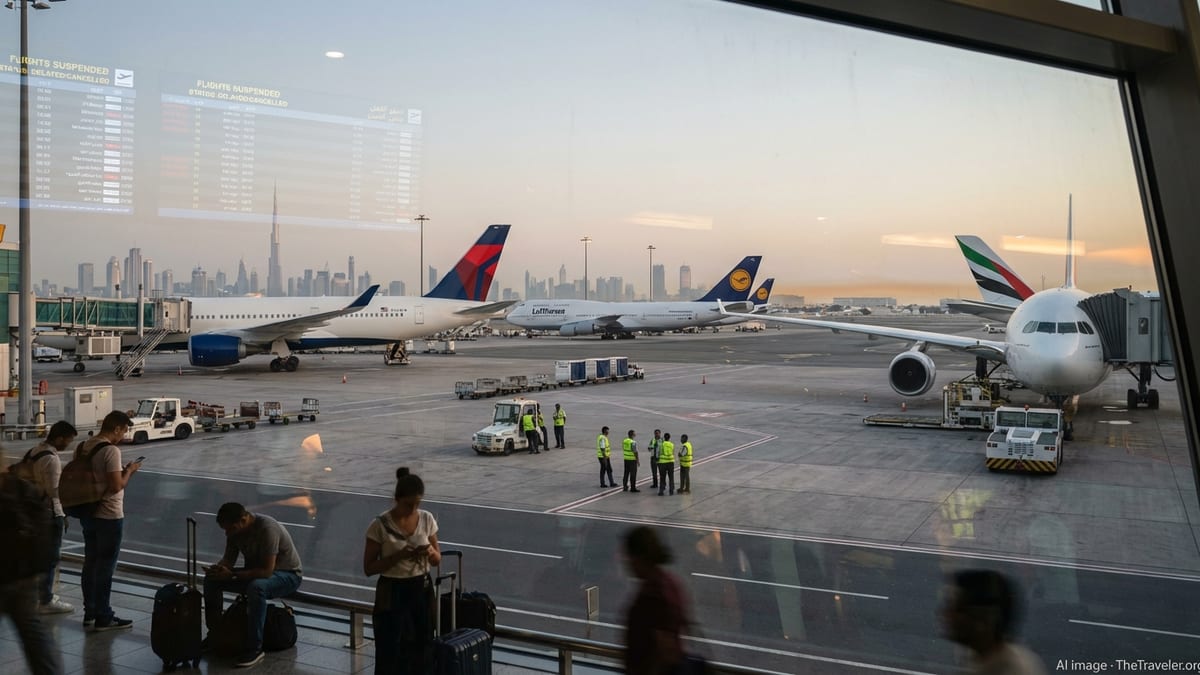
Nordic Hubs Bear the Brunt of Flight Cancellations
Publicly available flight-tracking data for May 23 indicate that the latest round of disruption is concentrated around SAS’s core Nordic hubs. Copenhagen, the carrier’s primary intercontinental gateway, reported multiple cancellations and extended delays on both short-haul and long-haul services, including transatlantic links. Oslo and Stockholm, which function as key feeder airports into the wider SAS network, also saw schedule adjustments and late departures that rippled through connecting traffic.
The 17 outright cancellations represent a relatively small share of SAS’s daily operation, but their impact is amplified by the airline’s tightly timed hub structure. When flights between the three Scandinavian capitals are pulled from the schedule, passengers can quickly miss onward connections to other European cities and North America, forcing extensive rebooking and overnight stays.
Recent months have already been challenging for the airline and its customers. Earlier in March, news outlets in Denmark and Norway reported that SAS cut more than one hundred mostly domestic flights in Norway and select departures between Copenhagen and Oslo as part of what the company described as short-term timetable adjustments tied to sharply higher fuel prices and the broader geopolitical environment. Those earlier reductions left the network with limited slack, making each new cancellation more difficult to absorb.
Friday’s operational picture shows that even a targeted batch of 17 cancellations can trigger a disproportionate level of disruption once knock-on delays are taken into account, especially at already busy hubs where turnaround times are tight and aircraft are scheduled across multiple daily rotations.
Transatlantic Routes From Copenhagen, Oslo and Stockholm Hit
The disruption has been particularly visible on SAS’s long-haul services linking Scandinavia with North America. Flight-status services show at least one high-profile cancellation on the busy Copenhagen to New York route, where a regularly scheduled service between the Danish capital and New York’s John F. Kennedy International Airport did not operate on Friday. Other departures on transatlantic corridors from the region, including services to Boston, have been affected by departure delays and extended ground times.
The airline has invested heavily in rebuilding and expanding its US network over the past year, adding capacity on routes from Stockholm and Oslo to New York and reopening the Copenhagen to Boston service as part of a broader summer traffic program. These routes are marketed as vital links for both business and leisure travelers, and the latest operational issues come at a time when demand for transatlantic travel is rising into the peak summer season.
Delays on long-haul flights have outsized consequences for travelers, because a missed departure can be harder to re-accommodate than a short intra-European hop. Seats on alternative flights are often limited, and disruptions can cascade into missed connections on separate tickets, onward domestic US itineraries, or cruises and tours starting from East Coast cities.
Reports from earlier in the spring highlighted the vulnerability of these links when fuel costs and external shocks force carriers to trim flying programs. While the current disruption appears smaller in scale than the mass schedule changes seen in March, its timing near the start of the busy summer period is increasing frustration for travelers who had expected a smoother experience after winter.
Delays Stretch Across Berlin and Other European Gateways
Beyond the Nordic capitals, Friday’s operational problems have spilled into major European destinations served by SAS. Berlin, which has become an important point in the airline’s continental network, recorded a series of delays on flights to and from Scandinavia, according to airport and tracking-board data. Similar patterns of late-running departures and arrivals have been visible on services through other European hubs that rely on Scandinavian feed, including routes connecting to Germany, the Netherlands and the United Kingdom.
Operational analysts note that when an early rotation from Scandinavia leaves behind schedule, the same aircraft may continue to run late for multiple legs throughout the day. That can strand travelers at intermediate airports, create bottlenecks at transfer security and passport-control points, and strain airport ground operations that must adjust to aircraft arriving out of sequence.
Earlier reporting on SAS’s spring schedule cuts suggested that the airline had already reduced some frequencies on intra-European routes, trimming domestic Norwegian flying as well as selected services linking Norway and Denmark with destinations such as Aberdeen and Stockholm. With fewer daily frequencies, delayed flights leave passengers with fewer same-day alternatives, especially from regional airports that may see only one or two SAS departures to a given hub.
Friday’s 59 logged delays therefore represent more than an abstract punctuality metric. For many passengers, they translate into missed meetings, rebooked hotel nights and rearranged ground transport, as well as additional queues at customer-service desks as travelers seek rerouting options.
New York, Boston and Other US Cities Experience Knock-on Effects
Travel disruption has not been limited to Europe. Flight-status boards in the United States indicate that SAS services touching New York and Boston are among those affected by Friday’s operational turbulence. New York, which is connected to Copenhagen, Oslo and Stockholm by multiple SAS flights, appears particularly exposed when Scandinavian feeder flights run late or are canceled, because connections are often timed closely to maximize aircraft utilization.
Boston, which rejoined the SAS intercontinental network from Copenhagen as part of the carrier’s summer schedule, has also seen fluctuating departure and arrival times in recent weeks as the airline adapts its long-haul program. On days when European departures leave behind schedule, knock-on effects have included late evening arrivals into New England and compressed connection windows for passengers continuing on domestic US itineraries with partner airlines.
US-bound travelers affected by Friday’s 17 cancellations and dozens of delays are being accommodated under standard rebooking practices, according to publicly available information from SAS and consumer-rights guidance. In some cases, re-accommodation can involve rerouting via an alternative European hub or shifting travel to a later date if no same-day options are available.
Consumer forums and recent press coverage have highlighted traveler concerns about compensation in situations where disruptions stem from factors that may be at least partly within an airline’s control, such as timetable adjustments made in response to cost pressures. While each case is assessed individually under European passenger-rights rules, the accumulation of schedule changes across March, April and May has increased scrutiny on how carriers like SAS handle customer care obligations when operations are disrupted.
Passengers Navigate Rebookings Amid a Tight Summer Schedule
The latest disruption comes just as SAS and other European airlines ramp up capacity for the main summer season, with ambitious schedules designed to capture strong leisure demand to Southern Europe and North America. Company traffic programs published earlier in the spring outline thousands of weekly flights across more than one hundred destinations, leaving limited room to add extra sections or spare aircraft when irregular operations occur.
Passengers caught up in Friday’s cancellations and delays are facing the familiar mix of challenges that have characterized air travel during recent years of volatility. Rebooking options can be constrained when flights already operate close to full, and travelers may find that the only available seats are on significantly later departures or on routings that add extra stops and hours of travel time.
Travel experts generally advise affected passengers to monitor their bookings closely in the days leading up to departure, use airline apps where available to track real-time changes, and familiarize themselves with their rights to re-routing, refunds and care such as meals and accommodation. The pattern of 17 cancellations and 59 delays at SAS on Friday serves as another reminder of how quickly an apparently normal travel day across the North Atlantic and within Europe can be upended by relatively modest schedule disruptions at a few key hubs.
With fuel markets and geopolitical conditions still unsettled, airlines operating complex hub-and-spoke networks continue to balance cost control with operational resilience. For travelers flying through Copenhagen, Oslo, Stockholm, New York, Boston, Berlin and other connected cities, the experience on May 23 underscores the value of building in extra time for connections and staying flexible when itineraries change at short notice.