


More news on this day
Thunderstorms moving across South Florida combined with a disabled aircraft near a gate to slow operations at major airports over the weekend, leading to hours of delays and a wave of missed connections for travelers heading into and out of the region.
Get the latest news straight to your inbox!
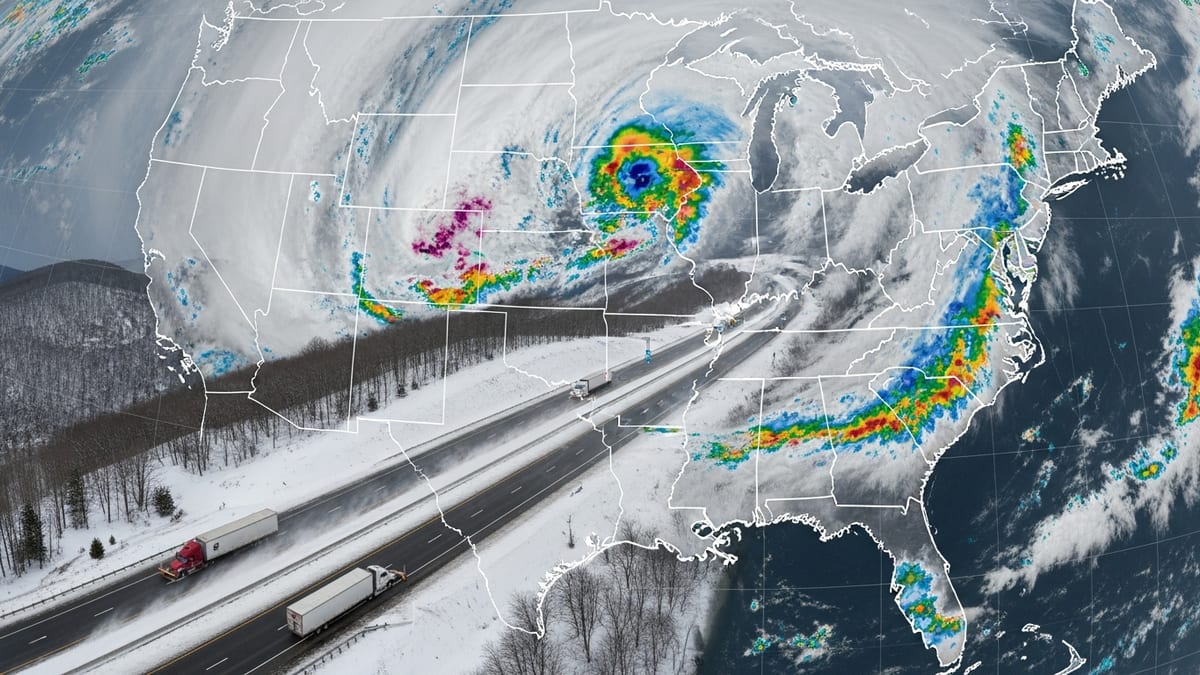
Storm cells trigger ground stops and schedule disruptions
Publicly available information from the National Weather Service shows that slow moving thunderstorms repeatedly developed over the Miami and Fort Lauderdale areas from Saturday into Sunday, producing heavy downpours, cloud to ground lightning and erratic winds. These conditions periodically forced air traffic managers to reduce arrival and departure rates at South Florida airports, including Miami International and Fort Lauderdale Hollywood International, to maintain safety margins.
Area forecast discussions for the region highlighted a high likelihood of scattered to numerous storms during peak travel hours, with brief but intense rainfall and visibility reductions. Such weather patterns commonly result in ground stops or miles in trail spacing for flights, which can quickly translate into backlogs at busy hubs when storm cells linger over departure and arrival corridors.
Operational data from flight tracking services indicated clusters of delayed departures and arrivals at Fort Lauderdale on Sunday afternoon, with some flights held at gates or on taxiways awaiting takeoff windows between passing storms. Similar patterns appeared at Miami, where rolling thunderstorm activity added to congestion already typical of late summer weekends.
While many of the weather delays were measured in minutes rather than hours for individual flights, the cumulative effect across multiple banks of departures contributed to missed connections and overnight disruptions for passengers connecting through South Florida to domestic and Caribbean destinations.
Disabled aircraft near gate compounds delays
Alongside the weather issues, reports from passengers and operational summaries pointed to a separate disruption involving a disabled aircraft near a gate area at a major South Florida airport. The incident, described as a plane experiencing a mechanical or operational problem that left it unable to move under its own power, forced crews to keep adjacent taxi lanes and stand areas closed while equipment and personnel were brought in to secure and reposition the jet.
Because many U.S. airports operate with tightly scheduled use of gates, losing access to even a single stand at a busy time can create knock-on effects. Arriving flights may be forced to wait on taxiways for an open gate, while departing flights cannot board or push back until aircraft at affected positions are cleared. In this case, the combination of an out-of-service aircraft and weather-driven sequencing delays resulted in a line of jets waiting for gate access.
Accounts shared on social media by travelers described crews repeatedly updating passengers about congestion on the ramp and limited gate availability, with some aircraft holding for extended periods after landing. Aviation discussion forums also noted that in the U.S. it is relatively uncommon to offload passengers via air stairs and buses in such situations unless there is a clear emergency, which can extend the time travelers remain onboard during irregular operations.
Once ground teams were able to tow the disabled plane clear of the active gate area, operations gradually resumed, but by that stage many evening flights were running significantly behind schedule, and some later services were canceled outright because aircraft and crews were no longer in place.
Airlines implement waivers as passengers seek options
Airline communication channels and customer updates indicated that carriers serving South Florida activated standard irregular operations procedures as the delays mounted. These measures typically include limited change fee waivers, rebooking passengers onto later flights where seats are available and prioritizing those with missed connections for the next departures on their routes.
Some travelers turned to alternative airports or routings to continue their journeys, taking advantage of the relatively short distance between Miami and Fort Lauderdale to search for available seats across both facilities. Others reported via online forums that they opted for overnight stays in nearby hotels when onward flights were no longer feasible the same day, particularly when their trips involved international connections.
Travel insurance providers and consumer advocates regularly emphasize that weather related disruptions and air traffic delays are treated differently from mechanical problems in many airline contracts. In this event, the mixture of thunderstorms and a disabled aircraft left some passengers uncertain about what assistance they could expect, leading to questions posted on airline specific discussion boards regarding vouchers and compensation.
Customer experiences shared publicly suggested a patchwork of outcomes, with some travelers successfully rerouted at no additional cost and others facing longer waits or needing to purchase new tickets on competing carriers to maintain time sensitive plans.
Broader strain on South Florida’s late summer travel
The weekend’s issues unfolded during a period when South Florida is already experiencing seasonal operational challenges. Late summer and early autumn bring frequent afternoon and evening storms across the region, and industry data indicates that repeated weather disruptions can leave airlines with little recovery time between successive systems, especially at airports that also serve cruise traffic and international leisure markets.
Recent weather summaries for the area have highlighted recurring bouts of heavy rain and urban flooding potential, along with above average heat that can further complicate ground handling and aircraft servicing. Aviation planners in Broward and Miami Dade counties have pointed in public documents to the need for robust contingency plans to manage tarmac delays, diversions and extended gate holds when severe weather intersects with peak travel windows.
Fort Lauderdale Hollywood International in particular has invested in updated tarmac delay contingency planning, including coordination protocols with airlines and government agencies aimed at minimizing the time passengers spend waiting on aircraft during disruptions. Even with such frameworks, the combination of convective weather and an immobilized aircraft this weekend demonstrated how quickly operational resilience can be tested at large coastal gateways.
With the Atlantic hurricane season still active and daily thunderstorms remaining a fixture in the forecast, aviation and tourism stakeholders in South Florida are expected to monitor conditions closely in the coming days. Travelers planning to pass through the region are being urged, in public advisories and destination marketing updates, to stay in close contact with their airlines, allow extra time at the airport and remain prepared for schedule changes when storms or operational incidents arise.