


More news on this day
Severe weather and air-traffic constraints are causing widespread disruption across the United States air network on August 28, with Atlanta and several major East Coast hubs reporting hundreds of cancellations and more than two thousand delays, rippling across domestic and international routes.
Get the latest news straight to your inbox!
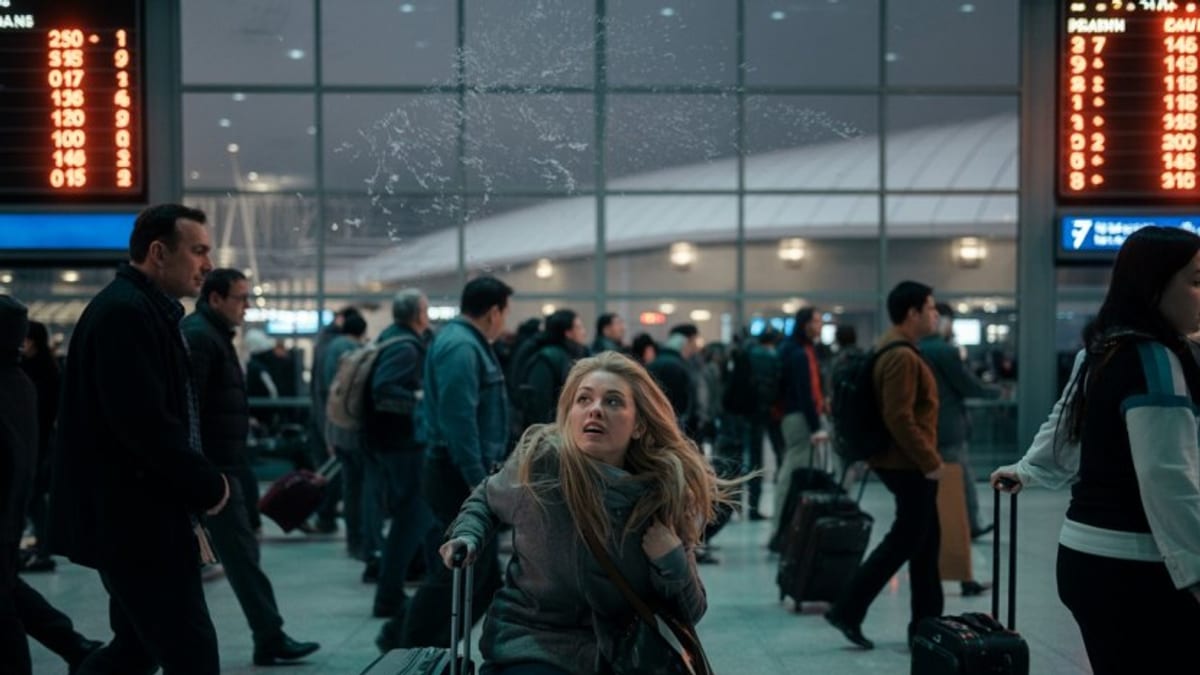
Stormy Weather and Traffic Flow Limits Snarl U.S. Skies
Publicly available tracking data for Friday, August 28, indicate that thunderstorms and associated air-traffic flow restrictions are driving a new wave of flight disruptions across the United States. Flight-monitoring platforms show well over 300 cancellations and more than 2,000 delays nationwide by midafternoon, a pattern concentrated along the Eastern Seaboard and Gulf states.
Reports point to a band of storms impacting key corridors around Atlanta, Charlotte, Houston, Orlando, Tampa, New York, and Washington, D.C., where convective weather can quickly reduce takeoff and landing rates. This forces air-traffic managers to slow the number of aircraft allowed into already-busy terminal areas, creating bottlenecks that cascade through the national system.
Data compiled from multiple trackers show that the overall disruption picture is consistent with previous severe-weather days this summer, when airlines have struggled to recover quickly from concentrated bursts of storms. Once aircraft and crew fall out of position early in the day, subsequent rotations are vulnerable to knock-on delays, and relatively localized weather can become a nationwide issue.
The situation on August 28 underscores how dependent U.S. aviation remains on a small number of megahubs. When storms intersect with those hubs during peak hours, delays mount not just for local passengers, but for travelers connecting between regions who may never set foot in the affected cities.
Atlanta’s Central Role in the Summer Disruptions
Hartsfield-Jackson Atlanta International, the world’s busiest passenger airport, once again sits near the center of the disruption map. Federal aviation status pages and live departure boards show a mix of late departures, ground holds, and scattered cancellations through the day, reflecting the airport’s exposure to storms moving across the Southeast as well as congestion along its primary departure routes.
Live arrivals and departures feeds for Atlanta on August 28 show both delayed and canceled services as the day progresses, including early-morning cancellations on some inbound routes and rolling delays on domestic services to major business and leisure destinations. Although many flights are still operating, the pattern of pushed-back departure times and extended arrival estimates reflects a constrained operating environment for airlines using the hub.
Because Atlanta functions as a primary connection point for the southeastern United States, any slowdown at the airport can quickly spread to other cities, even those not directly affected by bad weather. Passengers traveling between smaller markets frequently rely on Atlanta connections, so a single late inbound aircraft can disrupt multiple onward legs.
For travelers, that can mean last-minute gate changes, tight connections, and unexpected overnight stays. For airlines, it increases the challenge of balancing crew duty limits, aircraft rotations, and customer reaccommodation options when schedules are already under pressure from summer demand.
Other Hubs See Cancellations and Heavy Delays
The impact is not limited to Atlanta. Data compiled from national flight-status aggregators on August 28 indicate that airports along the Eastern Seaboard have some of the highest concentration of disrupted flights. Philadelphia, New York’s trio of airports, and Washington-area hubs report dozens of cancellations and more than a hundred delays combined, with Florida gateways such as Orlando and Tampa also facing repeated weather-related slowdowns.
Weather advisories warn that additional thunderstorms may continue to affect departures from Boston, Charlotte, Houston, Orlando, Tampa, New York, and Washington into the evening hours. These conditions can prompt ground stops, reroutes around storm cells, and extended taxi times, all of which add pressure to already-busy late-summer schedules.
Even airports that are not seeing direct storm activity can be affected if their arriving flights originate in weather-impacted regions. Aircraft arriving late from the East Coast, for example, can translate into delayed afternoon and evening departures from Midwestern or Western airports as carriers work through the backlog.
Travel industry observers note that the pattern fits a broader summer of episodic disruption, where generally strong demand has collided with staffing constraints, tight aircraft utilization, and frequent thunderstorms in key regions. When several of those factors align on the same day, the result is a spike in cancellations and a much larger wave of late flights.
Knock-on Effects for Passengers Across the Country
The operational stress is being felt by travelers far beyond the storm zones. With many aircraft and crews tied to tight, multi-leg rotations, even a small delay on a morning flight outbound from Atlanta or another busy hub can ripple through multiple destinations by evening.
Passengers traveling on August 28 report a wide range of experiences, from relatively minor delays of 30 to 60 minutes to missed connections requiring complete rebooking of itineraries. At times of widespread disruption, airlines may run out of same-day options for rebooking, particularly on popular leisure routes and at smaller regional airports served only a few times per day.
Some carriers have posted general advisories encouraging travelers in affected regions to monitor flight status frequently and to allow extra time at the airport. While formal systemwide waivers are not universal, airlines often adjust change-fee and fare-difference policies dynamically in response to evolving operational conditions, particularly when weather issues are expected to persist over several hours.
Travel experts emphasize the importance of planning for longer travel days during peak storm season, including packing essential items in carry-on bags, reviewing alternative routing options, and making sure airline apps and notifications are enabled. Those steps can help passengers respond more quickly if a cancellation or missed connection affects their itinerary.
What Travelers Should Do If Their Flight Is Hit
For those scheduled to fly through Atlanta or other storm-affected hubs on August 28 and the following weekend, the first recommendation from travel advisors is to check flight status early and often before leaving for the airport. Real-time departure and arrival boards, as well as airline and third-party tracking tools, provide updated information on delays, gate changes, and cancellations.
If a flight is canceled, passengers are typically rebooked on the next available service on the same carrier at no additional cost, subject to seat availability. Depending on the cause of the disruption and the airline’s policies, travelers may also have options to request refunds or rerouting, especially if significant schedule changes make trips impractical.
In the case of long delays, some travelers may be eligible for compensation or reimbursement under airline policies or, for transatlantic itineraries, European regulations when applicable. Specialized claim services and legal resources provide guidance on whether a particular disruption meets the criteria for compensation, though outcomes vary based on origin, destination, and the cause of the delay.
With storms and heavy air-traffic demand expected to remain a feature of late-summer travel, industry observers suggest that flexibility and preparation are key. Booking longer connection windows, considering morning departures, and staying informed about route-specific weather can all help reduce the likelihood that a day in the air turns into a night in the terminal.
https://travel.yahoo.com/flights/articles/over-1-246-flights-delayed-140250325.html
https://www.fly.faa.gov/fly/flyfaa/flyfaaindex?ARPT=ATL&p=1