


Singapore Changi Airport consistently ranks among the world’s best for a reason. Whether you have two hours between flights or an overnight layover, it is one of the few airports where you can genuinely look forward to a transit. This guide walks you through what to do with different layover lengths, how to move between terminals and Jewel, and where to rest, shower, eat, shop and even explore Singapore itself.
Get the latest updates straight to your inbox!
Understanding Your Layover at Changi: Timing and Basics
Before planning activities, be realistic about how much free time you actually have. With a short international connection, you should generally be at your next gate 60 to 90 minutes before departure. If you need to clear immigration to visit Jewel or the city, factor in at least 30 to 60 minutes for formalities during peak times, especially evenings and early mornings when long-haul flights arrive.
As a rule of thumb, transits under three hours are best spent airside in the transit areas of Terminals 1, 2 or 3. Between three and six hours, you can consider a quick visit to Jewel Changi Airport if you are comfortable clearing immigration and re-entering. For layovers of more than six hours, there is time to shower, have a proper meal, explore multiple terminals and Jewel, or even join the Free Singapore Tour if your schedule and nationality allow.
Changi is divided into four terminals plus Jewel: Terminals 1, 2 and 3 are linked by a free Skytrain and walkways, while Terminal 4 is connected by a free shuttle bus. All terminals have extensive seating, power outlets, air conditioning and free Wi-Fi. Security checks are usually done at the gate, which means you can roam relatively freely within the transit area until boarding starts.
Keep an eye on your boarding pass and airport flight information screens, as gate assignments can change. The iChangi mobile app is especially useful: it shows walking times between gates, updated boarding information, and maps for shops, lounges and amenities, which is valuable if your layover plan involves moving between terminals and Jewel.
Getting Around: Terminals, Skytrain and Access to Jewel
Moving between Terminals 1, 2 and 3 is straightforward. A free Skytrain connects these three terminals, typically taking one to four minutes between stops, and operates from around 5 am to roughly 2.30 am. When the Skytrain is not running, you can walk via airside corridors and travelators; walking from one terminal to the next usually takes five to fifteen minutes depending on your starting point and pace.
Terminal 4 is not connected to the Skytrain, so you need the free shuttle bus. Landside shuttles run 24 hours between Terminal 4 and the main terminals, generally taking about 10 to 15 minutes once on board. If you are arriving or departing from Terminal 4 with a tight connection, allow at least 30 minutes for the transfer, and more if you plan to detour to Jewel.
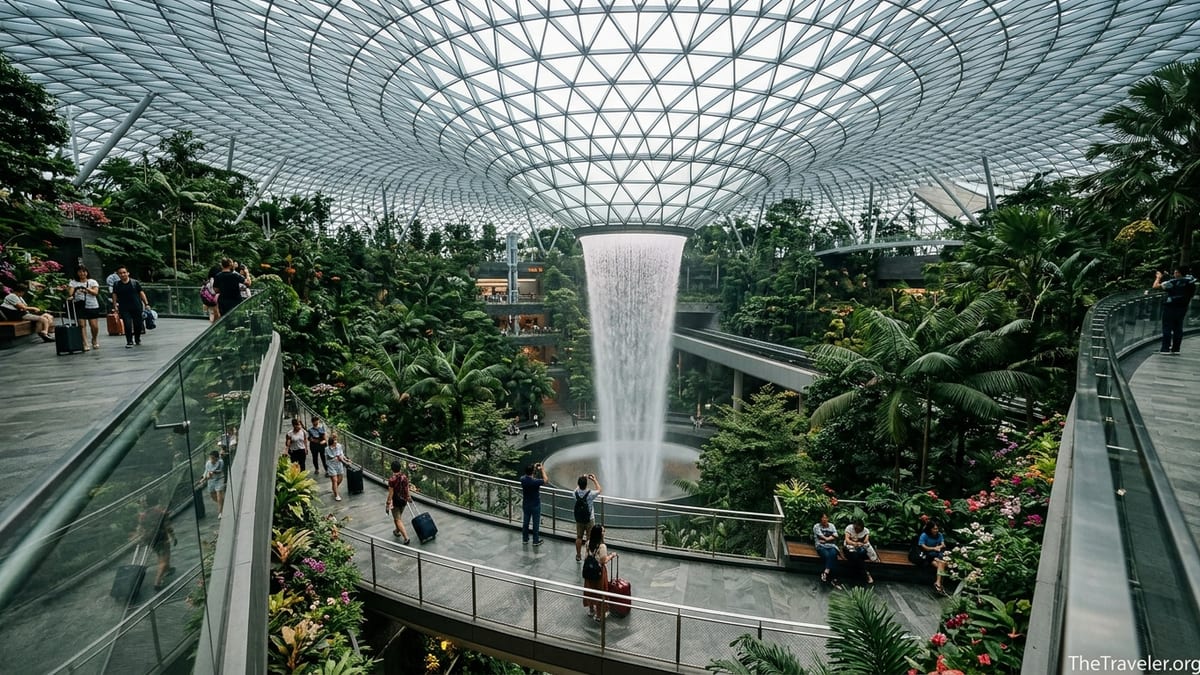
Jewel Changi Airport sits between Terminals 1, 2 and 3 on the landside. From Terminal 1, you can walk directly into Jewel from the Arrival Hall on Level 1. From Terminals 2 and 3, follow signs to Jewel via link bridges; it is typically a five to ten minute walk from each terminal. Transit passengers must clear immigration to enter Jewel, so you should only plan a Jewel visit if you have enough layover time and meet Singapore’s entry requirements.
If your layover is very short but you still want a glimpse of Jewel’s Rain Vortex, one of the Skytrain routes between Terminals 2 and 3 passes directly through the building. Remaining airside, you can ride the train between the two terminals and enjoy a brief view of the waterfall and indoor forest without going through immigration, which is useful for two to three hour layovers where leaving the transit area would be risky.
Short Layovers (Up to 3 Hours): Freshen Up and Explore Airside Highlights
With up to three hours, focus on simple, low-stress activities near your gate. Start by freshening up at one of the many restrooms, which are generally clean and well maintained. If you want a shower, several pay-per-use lounges and spa facilities inside the transit area offer shower access; prices vary, but expect to pay roughly the cost of a modest meal in the airport for a basic shower package, with towels and toiletries provided.
Changi’s themed gardens and quiet corners make even a short stay enjoyable. For example, Terminal 3’s Butterfly Garden is a quick favorite with travelers and can be visited in minutes between flights. Terminal 2 has indoor greenery and seating areas where you can relax away from the main thoroughfares, and Terminal 1 features an outdoor Cactus Garden with a bar, ideal if you have an evening connection and want some fresh air.
Food options are abundant and varied. Terminal 3’s transit area has familiar international brands alongside local favorites serving dishes such as laksa, chicken rice and kaya toast at prices close to what you might pay in downtown Singapore. If you are flying in the early morning, bakeries and coffee kiosks open early, so you can grab a kopi and pastry while watching aircraft movements through large terminal windows.
For travelers who just want to sit quietly, look for the designated rest zones with reclining chairs. These are scattered throughout the terminals and allow you to stretch out without needing a lounge pass or hotel room. Charge your devices at the many charging points, set an alarm, and avoid venturing too far from your departure gate if boarding is within the next 90 minutes.
Medium Layovers (3 to 6 Hours): Jewel, Showers and Deeper Terminal Exploring
With three to six hours, you can explore more confidently. A popular plan is to head to Jewel for a quick circuit of the Shiseido Forest Valley and Rain Vortex, then return airside with time to spare. For example, on a four hour layover arriving at Terminal 1, you might spend 30 minutes clearing immigration, walk straight into Jewel, enjoy one hour strolling the forest paths and snapping photos of the waterfall, grab a meal at one of the many restaurants, then head back through departure formalities about 90 minutes before your next flight.
Jewel itself is as much about atmosphere as activities. You can simply walk the terraced paths of the Forest Valley and watch the waterfall from various vantage points, or, time permitting, consider paid attractions like the Canopy Park on the top level, which includes walking nets, mazes and viewing decks. These attractions require tickets that can be purchased on the spot or in advance, so check current pricing and operating hours before committing, especially on evenings and weekends when they may be busier.
If you prefer to stay airside, a medium layover is ideal for a full refresh. Pay-per-use lounges across Terminals 1, 2 and 3 allow entry regardless of airline or cabin class, often selling access in blocks of a few hours. Inside, you can take a shower, enjoy buffet-style food, use faster Wi-Fi and sometimes even book a short spa treatment. This can be particularly worthwhile if you have just flown a long-haul sector and have another overnight flight ahead.
Shoppers will find a wide range of duty-free and retail options across the terminals and Jewel. Perfume, cosmetics, electronics and local snacks such as kaya, bak kwa or Singapore-brand cookies are popular purchases. For instance, some travelers spend an hour in Terminal 3 comparing electronics prices, then pick up last-minute gifts like Merlion-shaped chocolates or instant kopi sachets before heading to the gate.
Long Layovers (6+ Hours): Transit Hotels, Pools and the Free Singapore Tour
Six hours or more opens up nearly all of Changi’s offerings. One of the most practical options is a transit hotel. There are airside transit hotels in multiple terminals, plus YOTELAIR in Jewel on the landside. Rooms are often bookable for short blocks of time rather than whole nights, allowing you to pay only for the hours you need. A traveler on a ten hour overnight layover might book a six-hour block to sleep, shower and store carry-on bags in the room, waking refreshed for the morning flight.
Some transit hotels and pay-per-use lounges provide access to facilities like swimming pools and gyms. For example, one rooftop pool accessible from the transit area offers a rare chance to swim with views of the runway. Day-use access at such facilities is typically priced somewhere in the range of a casual restaurant meal, often including use of a shower and sometimes a drink voucher, which can be a memorable way to pass a hot afternoon.
Longer daytime layovers are also perfect for the Free Singapore Tour, a complimentary city tour organized by Changi Airport Group, Singapore Airlines and the Singapore Tourism Board. As of recent updates, eligible transit passengers with layovers between roughly five and a half and 24 hours can register for themed tours that showcase highlights such as Marina Bay Sands, the Merlion Park or historic districts. Spaces are limited and you must meet specific visa and ticket conditions, so check the latest details and availability in the airport or on official channels when you arrive.
If you prefer independent exploration, you can take the MRT from Changi Airport station, linked directly to Terminals 2 and 3, into the city. Many travelers on eight to ten hour layovers choose to visit neighborhoods like Kampong Glam or Chinatown for a meal, then return to the airport a few hours before departure. This option is best if you are comfortable navigating public transport and have a generous buffer in case of traffic or crowds during the return journey.
Sleeping, Showers and Relaxation Zones
Changi caters well to tired transit passengers. In addition to transit hotels and lounges, all terminals feature designated rest areas with reclining chairs or daybeds. For example, Terminal 3 has quiet seating zones where lights are dimmer and announcements are softer, making it easier to catch a nap. These areas are free to use and popular with backpackers and families on long journeys.
Shower and spa services are available in several locations both airside and landside. Basic shower access can be purchased at certain lounges and dedicated shower facilities, with options ranging from simple no-frills stalls to more spa-like environments offering massage and wellness treatments. A traveler landing from Europe in the early morning might pay for a quick shower, then enjoy a coffee and light breakfast before an afternoon hop to Australia.
For travelers with longer layovers who want deeper rest but do not need a full hotel room, some lounges and rest zones offer semi-private nap pods or partitioned recliners. These are often first-come, first-served, so if your priority is sleep, head there soon after landing rather than browsing shops first. Eye masks and earplugs can help, as the terminals remain active around the clock.
Families with young children will appreciate the play areas located in the terminals and Jewel. These give kids space to run and climb between flights, which can make overnight or multi-segment itineraries more manageable. Parents often take turns supervising play while the other adult visits nearby shops or restaurants, balancing rest and activity for the whole group.
Food, Shopping and Practical Essentials
Dining is one of Changi’s main attractions. At almost any hour, you can find both quick bites and sit-down restaurants. For a local-style breakfast between flights, some travelers head to cafes offering kaya toast and soft-boiled eggs alongside kopi or teh. At lunchtime and dinner, food courts in the terminals and Jewel provide hawker-inspired dishes such as char kway teow, satay and nasi lemak, often at prices not far from downtown food halls.
International chains are plentiful too, from global coffee brands to burger and pizza outlets. If you are traveling with picky eaters or children, sticking to familiar options in the main concourses can save time and stress. On the other hand, more adventurous eaters might plan a mini food tour during a long layover, trying a local dessert like chendol in Jewel, then sampling spicy noodles in Terminal 2 before boarding.
Shopping spans duty-free liquor and tobacco, cosmetics and skincare, electronics, fashion and souvenirs. Duty-free liquor purchases are regulated by Singapore’s allowance rules, so check your destination’s import conditions as well as transit restrictions if you have additional flights. Many travelers use Changi to stock up on skincare brands that are cheaper than in their home countries, or to buy compact gifts like Singapore-themed tote bags, keychains and snack packs.
Essential services are easy to find. Currency exchange counters and ATMs are available in all terminals and Jewel. Most shops and restaurants accept major credit cards and widely used mobile payment methods. Free Wi-Fi covers the airport; if you prefer a local SIM, you can buy one from telco booths in the arrival halls and, in some cases, selected airside shops. Pharmacies and convenience stores stock travel essentials from pain relief tablets to plug adapters, useful if your checked baggage is delayed or you have forgotten something important.
The Takeaway
Changi Airport is designed to turn layovers into part of the journey rather than dead time between flights. With efficient terminal transfers, a wide range of rest options and the spectacle of Jewel’s Rain Vortex, even a two or three hour transit can feel pleasant instead of stressful. Medium layovers give you space to shower, enjoy a proper meal and explore gardens, art and attractions across the terminals.
For longer layovers, transit hotels, rooftop pools and the Free Singapore Tour or city excursions transform the airport into a base for relaxation and sightseeing. The key is to match your plans to your available time, considering immigration and security, and to stay mindful of your next departure gate and boarding time. With a little planning, a layover at Singapore Changi Airport can become one of the highlights of your trip.
FAQ
Q1. Do I have enough time to visit Jewel during a 3 hour layover at Changi?
With a 3 hour layover, visiting Jewel is possible but tight because you must clear immigration and later re-enter through departure checks. It is safer to stay airside and view the Rain Vortex from the Skytrain between Terminals 2 and 3, unless queues are short and you are very familiar with the airport.
Q2. How do I get from Terminal 4 to Jewel Changi Airport during transit?
Terminal 4 is connected to the main terminals by a free shuttle bus. During a layover, you would take the shuttle to Terminal 1, 2 or 3, then walk via the link bridge to Jewel. Allow at least 30 minutes each way for the transfer, plus time for immigration if you are not yet landside.
Q3. Are there free places to sleep in Changi Airport during a long layover?
Yes, each terminal has free rest zones with reclining chairs or loungers where passengers can nap. These areas do not offer full privacy but are popular with budget travelers. For more comfort and quiet, consider a paid lounge or transit hotel room, especially on overnight layovers.
Q4. Can I shower at Changi Airport if I am only in transit?
Yes. Several pay-per-use lounges and dedicated shower facilities inside the secured transit areas of Terminals 1, 2 and 3 offer showers for a fee. Towels and basic toiletries are usually included. You do not need to leave the transit area or book a hotel room just for a shower.
Q5. What can I do at Changi with kids during a 5 hour layover?
Families can combine play areas, gardens and a meal. For example, you might visit the Butterfly Garden in Terminal 3, let children enjoy one of the playgrounds, then head to Jewel’s Forest Valley for an easy walk and snacks before returning to your gate. Many restaurants provide kid-friendly menus and high chairs.
Q6. Is the Free Singapore Tour from Changi Airport worth it for a long layover?
The Free Singapore Tour can be a good use of time if your layover is at least around six hours and you meet eligibility rules. It offers a guided overview of key sights without needing to plan your own route. However, spaces are limited and fixed departure times may not suit every itinerary, so check details and availability soon after landing.
Q7. Do I need a visa to leave Changi Airport during my layover?
Whether you need a visa depends on your nationality and Singapore’s current entry rules. Some passport holders can enter visa-free for short visits, while others must obtain a visa in advance. Always check official immigration information before planning to leave the airport for Jewel or the city.
Q8. How early should I return to the airport if I go into Singapore city on a layover?
If you leave the airport to visit the city, aim to be back at your terminal at least three hours before a long-haul flight and at least two hours before a regional flight. This buffer covers MRT or traffic delays, check-in or document checks if required, departure immigration and finding your gate.
Q9. Are shops and restaurants at Changi open overnight?
Yes, many shops and eateries at Changi operate 24 hours or with extended hours, especially in the transit areas. Even on late night or early morning layovers, you can usually find open food courts, cafes and convenience stores, though some specialty outlets may close overnight.
Q10. Can I stay inside the transit area for an overnight layover without a hotel?
Yes, you can remain in the transit area overnight if you have a valid onward boarding pass and meet airline and airport rules. Many travelers sleep in rest zones or regular seating. For additional comfort, some choose to pay for lounge access or a short stay in a transit hotel, but it is not mandatory.