


More news on this day
Travel disruption hit Saudi Arabia’s main air hub after overnight air raid alerts in Riyadh, with smoke and flames reported near King Khalid International Airport and flight tracking data showing widespread delays and some cancellations on September 19, 2026.
Get the latest news straight to your inbox!
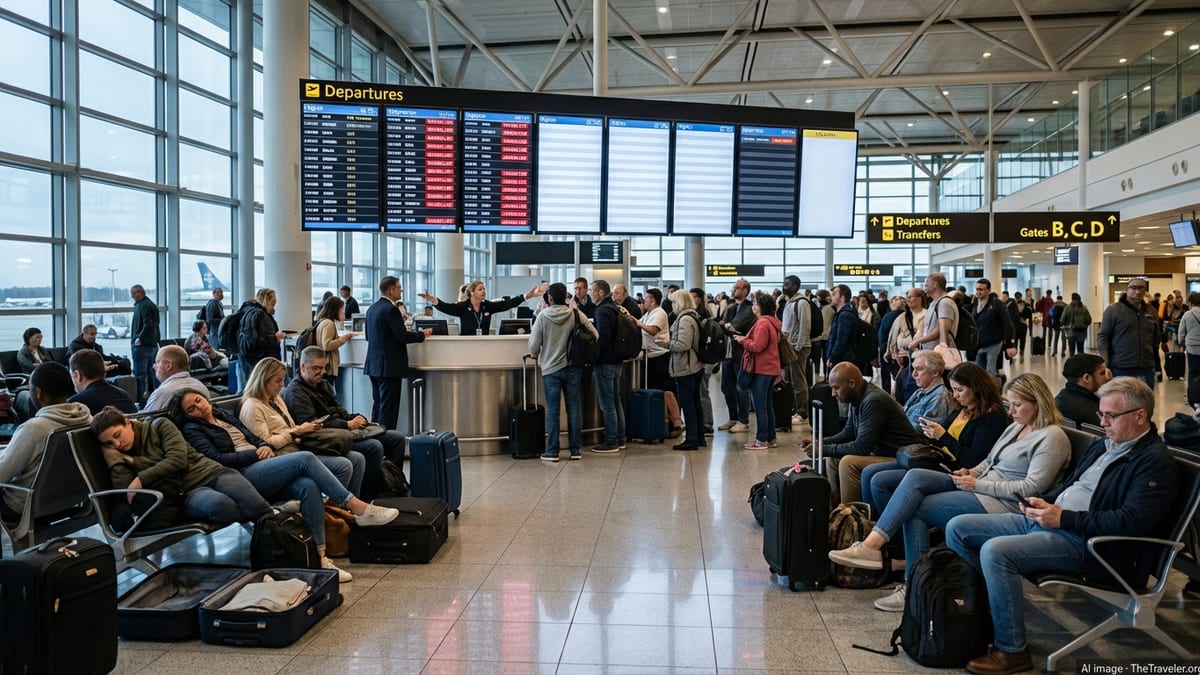
What happened near King Khalid International Airport
Published coverage from multiple outlets described a large, dark plume of smoke rising near King Khalid International Airport (RUH) on Saturday, September 19, 2026, after residents received emergency alerts overnight warning of potential aerial danger around the capital. Images carried by international media showed smoke in the airport area, and reporting also referenced firefighters working a blaze at a fuel-related site near the airport perimeter.
Separate reporting tied the timing of the smoke to heightened regional tensions involving Yemen’s Houthi movement, with news accounts describing booms heard in and around Riyadh and warning messages sent by phone via Saudi emergency alert systems. While early public accounts varied on the precise trigger for the smoke, the immediate travel impact centered on airport operations and flight schedules.
Later coverage indicated an “all-clear” was issued after the alert, but the operational knock-on effects at a major hub can persist for hours as aircraft and crews are repositioned and airlines rebuild rotation plans.
Flight delays and cancellations: what travelers saw
Flight tracking platforms flagged significant disruption at RUH during the incident window. Flightradar24’s airport status pages showed Riyadh listed with “major problems,” a category that corresponds to long delays and multiple canceled flights, as the smoke was reported near the airport and the alert circulated across the capital.
Publicly available departure boards and live tracking data showed that delays affected a broad mix of services, including regional flights across the Gulf and longer-haul routes that normally rely on Riyadh as a transfer point. Later monitoring reports described operations resuming after the temporary disruption, but with the typical backlog effects seen after a major operational interruption.
For passengers, that meant some flights departing hours behind schedule, others being retimed or consolidated, and some itineraries being rebooked as airlines managed aircraft availability, crew duty-time limits, and airspace flow constraints.
Air raid alerts and the broader security backdrop
The air raid alerts in Riyadh were widely described as the first such warning in the capital since a recent escalation connected to the conflict in Yemen. Coverage also referenced alerts affecting additional cities beyond Riyadh, reflecting a wider posture of caution during the overnight period.
International reporting described Saudi air defenses intercepting an incoming threat toward Riyadh, while the Houthis separately claimed attacks on “sensitive sites” without presenting publicly verifiable evidence in those initial claims. The differing narratives underscored the uncertainty that can surround fast-moving incidents, particularly when safety alerts, possible interceptions, and industrial fires occur within the same timeframe.
For aviation, even short-lived alerts can translate into pauses in ground operations, temporary restrictions on movements, or precautionary adjustments to flight paths and air traffic sequencing, depending on conditions at the time.
What to do if you’re traveling through Riyadh in the next 48 hours
Travelers with near-term plans through Riyadh should check flight status directly with their airline and monitor the airport’s official channels for operational updates, especially if traveling on tight connections. In disruption events, airline apps often update earlier than third-party trackers on gate assignments, boarding times, and rebooking options.
For connecting passengers, it can help to confirm minimum connection time requirements for your itinerary and watch for downstream changes to your second leg, since delays can cascade through a hub even after departures restart. If you have checked baggage on a multi-leg itinerary, travelers may also want to verify whether bags are being through-checked in the event of flight swaps or reaccommodation.
Passengers scheduled to depart from RUH may want to allow extra time for airport access and terminal processing during the recovery phase, when airlines may be handling unusually high volumes of rebookings, standby requests, and missed-connection assistance.
Because details around the cause and scope of the smoke incident were still being reported across outlets, travelers should rely on the most current operational information available at check-in and on the day of travel, and avoid making last-minute changes based solely on social media imagery.