


For travelers who dream of slipping into Caribbean water and finning straight onto a living coral reef, South Water Caye in southern Belize is one of the few places where that fantasy matches reality. Set almost directly atop the Belize Barrier Reef inside the South Water Caye Marine Reserve, this small island offers near-immediate access to patch reefs, coral walls and seagrass beds right from the beach or dock, plus quick boat rides to mangrove and outer reef sites. At the same time, mainland hubs like Hopkins, Dangriga and Placencia act as practical gateways for day trips into the reserve. This guide explains how shore snorkeling on the caye compares with boat‑dependent excursions from the coast, and helps you decide which base works best for your budget, time and comfort in the water.
Get the latest updates straight to your inbox!
Understanding South Water Caye Marine Reserve
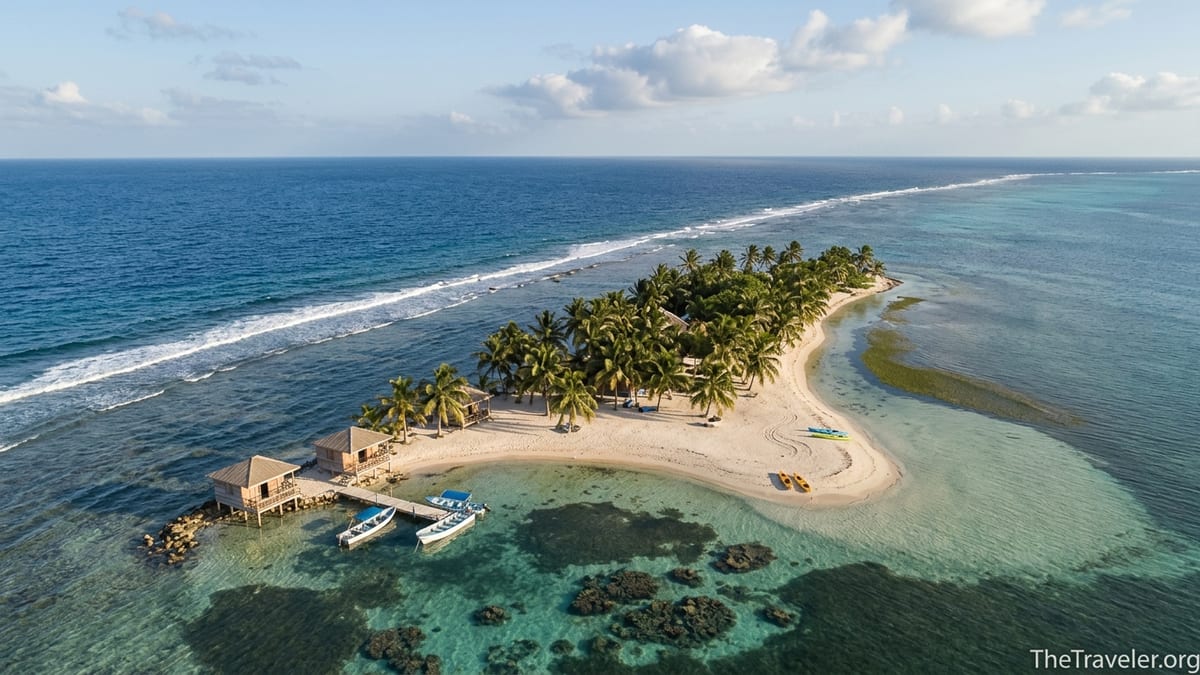
South Water Caye Marine Reserve is the largest protected marine area on the Belize Barrier Reef and sits off the Stann Creek District in southern Belize. The reserve stretches across a broad section of barrier reef, patch reefs, mangrove cayes and seagrass beds, with South Water Caye near the center of the action. Unlike many northern cayes where you typically need a boat to reach the main reef, parts of the barrier here run so close to the island that confident swimmers can access coral formations from shore during calm conditions.
The reserve protects a mosaic of habitats, which is why local guides and dive operators often recommend it for travelers who want variety on a short trip. On a single day you might snorkel shallow coral gardens near South Water Caye in the morning, drift over deeper spur‑and‑groove formations in a channel after lunch, and finish with a slow float above seagrass where eagle rays and southern stingrays feed. Side trips to mangrove cayes introduce another set of species altogether, from upside‑down jellyfish in the shallows to juvenile fish sheltering among roots.
Regulations inside the marine reserve generally require licensed guides, park fees and adherence to no‑touch, no‑take rules. In practice, this means you will usually enter the water with a local guide whether you are staying on South Water Caye or visiting from Hopkins, Dangriga or Placencia. These guides help identify safe entry points, read currents around the reef crest and keep groups from inadvertently standing on coral or drifting into boat channels.
Because the marine reserve lies farther south and away from the busiest northern tourism corridors, it tends to receive lower overall traffic than hotspots such as Hol Chan Marine Reserve near Ambergris Caye. Some days you might share a site with just one or two small skiffs rather than a dozen boats. The trade‑off is a bit more travel time from mainland bases, which becomes a key factor when you are choosing between a caye stay and day trips.
Shore Snorkeling Directly From South Water Caye
South Water Caye’s main draw for snorkelers is that the reef is close enough to reach without a long boat ride. At resorts such as Pelican Beach Resort and Blue Marlin Beach Resort, guests commonly slip into the water from the south end beach or the dock and follow sandy channels out toward coral heads. In good conditions, swimmers might spend only a few minutes crossing seagrass flats before reaching low coral ridges and patch reefs with fan corals, brain corals and clouds of blue tangs.
In practical terms, “snorkeling from shore” here usually means planning short, focused sessions rather than epic crossings. Many visitors time swims for slack or incoming tide when currents are gentler and visibility is often better. It is common to don gear at your room, walk a few steps to the beach and spend 30 to 45 minutes exploring the near‑reef zone before breakfast, then return again at sunset to watch schools of grunts and snappers move through the shallows. That level of spontaneity is difficult to replicate if you are relying on scheduled boat departures from the mainland.
Shore access does not eliminate the need for common‑sense safety. The reef crest can focus waves and current, especially during winter cold fronts or blustery trade winds. Most island operators discourage guests from trying to cross the crest or swim all the way to deeper drop‑offs without a guide. Instead, they point people to calm lee‑side beaches where novice snorkelers can practice among seagrass, juvenile fish and scattered coral heads within a short fin of the sand.
For experienced snorkelers who are comfortable reading water conditions, South Water Caye offers an unusual amount of freedom. You might grab a mask mid‑afternoon, drift just offshore of the island, then circle back to the dock without ever climbing into a boat. That independence is what repeatedly draws some travelers back to the caye compared with better known, boat‑only destinations.
Nearby Boat‑Accessible Sites and Habitats
Even if you can snorkel from shore, the richest coral formations and most dramatic walls in the South Water Caye Marine Reserve are reached by small boat. Island resorts and mainland operators typically run half‑day and full‑day trips that combine two or three sites. Classic stops include the channel between South Water Caye and Carrie Bow Caye, patch reefs off Twin Cayes, and outer barrier sections referred to locally as sites like Angel Reef or similar descriptive names.
These sites showcase a range of coral structures, from gently sloping gardens of lettuce and finger coral to steeper faces where massive star corals and barrel sponges dominate. In slightly deeper water, you might see schools of horse‑eye jacks and creole wrasse funneling along current lines, while closer to shore there are sheltered patches with elkhorn and staghorn coral regeneration projects. Many tours aim for three separate snorkel stops on a full‑day itinerary, interspersed with a beach barbecue or picnic on a caye such as South Water, Tobacco or Bread and Butter.
Mangrove and seagrass habitats add another dimension. Some operators from Hopkins and Dangriga combine reef snorkeling with a slow drift around Twin Cayes, where red mangrove roots dangle into pale green water. Here guides often point out juvenile barracuda, tiny schoolmaster snappers and upside‑down jellyfish resting on the bottom. The contrast between bright reef scenes and the quieter, nursery‑like feel of mangrove lagoons helps visitors appreciate how closely linked these ecosystems are.
Diving is equally important within the reserve. From Placencia and Hopkins, local dive shops advertise two‑tank dives at South Water Caye sites with profiles that might start on top of a coral ridge at roughly recreational depths before dropping over the side into sand channels. While this guide focuses on snorkeling, it is worth knowing that many mixed‑ability groups book combination days where certified divers descend from the boat while snorkelers remain at the surface above the same site, watching turtles and rays glide through clear water.
Choosing Your Base: Caye Stay vs Mainland Gateways
Most travelers considering South Water Caye face a straightforward question: sleep on the small island itself or base on the mainland in Hopkins, Dangriga or Placencia and visit by boat. Each choice has clear advantages. Staying on the caye offers the unique experience of living beside the reef with shore access, but it usually comes at a higher per‑night cost and with fewer dining or nightlife options. Mainland towns provide broader accommodation ranges from simple guesthouses to mid‑range beachfront hotels and small resorts, along with restaurants, bars and cultural experiences that simply do not exist on a tiny caye.
From Hopkins, day‑trip snorkel tours to the South Water Caye Marine Reserve are widely offered. A typical full‑day excursion might include a 30 to 45 minute boat ride out to the reef, two or three separate snorkel sessions, a beach lunch on a caye, and a return by mid‑afternoon. Prices for group tours commonly fall in a moderate range per person plus marine reserve fees and optional tips, depending on the operator and season. Dangriga, which lies closer to the reserve by water, supports a smaller but growing number of outfitters and is also the main jumping‑off point for flights and boat transfers to the island resorts themselves.
Placencia sits farther south, so trips from there to South Water Caye generally require more boat time, often around 1.5 hours each way. Some Placencia‑based operators market the reserve as a premium destination, with pricing reflecting the fuel and time required for the longer run. For casual snorkelers who are already spoiled for choice with closer sites off the Silk Cayes or Laughing Bird Caye, this extra travel time may not feel worthwhile on a short visit. However, for those targeting quieter reefs and the specific mix of habitats around South Water Caye, it can still be a compelling option, especially as part of a private charter.
In practice, your decision comes down to how much you value immediacy. If you want to wake up, step outside and see the reef crest a short swim away, then a few nights on South Water Caye align with that vision. If you prefer more restaurant choices, easier grocery access and evening activities like drumming performances in Hopkins or beach bars in Placencia, then using the mainland as a base and scheduling one or two dedicated reef days could be the better fit.
Who Benefits Most from Sleeping Beside the Reef
Not every traveler needs to stay on South Water Caye itself, but for certain profiles it can be exactly the right call. Enthusiastic snorkelers who prioritize time in the water over amenities often get the most out of an island stay. For example, a couple planning a five‑night trip might allocate three nights to Pelican Beach Resort or Blue Marlin on the caye, using early mornings and late afternoons for unscheduled shore snorkeling and one or two days for guided boat trips. The remaining nights could be spent in Hopkins enjoying restaurants and cultural experiences before flying home.
Families with water‑confident kids can also benefit. Being able to walk from a room to the beach in a minute or two and let older children snorkel under supervision in the shallows, without loading everyone into a boat, simplifies logistics. Parents can keep an eye on kids exploring around the dock while they relax under a palapa. Many island properties offer simple kayaks and stand‑up paddleboards that can be launched directly from the beach, giving variety to days that might otherwise be built entirely around scheduled tours.
Photographers and dedicated marine life enthusiasts tend to appreciate the flexibility that comes with living over the reef. Conditions on the Belize Barrier Reef can change through the day as wind shifts and clouds pass, and having unlimited short windows to enter the water increases your chance of catching those magical moments when the sea goes glassy and light shafts down perfectly over a coral head. For macro‑focused shooters, being able to return repeatedly to the same small patch reef beside the island can make it easier to find and re‑photograph cryptic subjects such as decorator crabs or cleaner shrimps.
On the other hand, travelers who are primarily interested in checking snorkeling off a broader Belize itinerary may not need to commit to a caye stay. If you anticipate just one or two outings, basing in Hopkins, Dangriga or Placencia and booking a reputable tour that includes multiple sites inside South Water Caye Marine Reserve will deliver a strong snapshot of the area’s habitats without the higher nightly rate and logistical planning of an island transfer.
What the Boat‑Dependent Experience Looks Like
For many visitors, especially those based in Hopkins, Dangriga or Placencia, snorkeling in South Water Caye Marine Reserve will be a boat‑centric experience. A typical day begins with a morning briefing at the dock, followed by a ride out through coastal lagoon and open water. The first snorkel stop might be a shallow patch reef chosen for calm conditions and good beginner visibility. After 45 minutes to an hour in the water, the group returns to the boat for drinks and a short hop to a second site with slightly different coral structure or depth.
Lunch is usually served picnic‑style on a small caye. Some tours grill chicken or fish under palm trees on South Water Caye itself, while others stop at nearby islands where a small beach bar provides shade and basic facilities. Between snorkel sessions, guests often have time to walk the island, look for hermit crabs and shorebirds, or simply sit on the sand and enjoy the view of the reef crest just offshore. Afternoon sessions may drift along the edge of a channel, where currents bring in schools of fish and the occasional turtle.
The advantages of this model include professional guidance, boat support and curated site selection based on that day’s conditions. It is particularly well suited to first‑time snorkelers, mixed‑age families and those who are not strong swimmers. Guides provide flotation vests, keep track of the group and are quick to adjust the plan if visibility drops or chop builds in one area. From a cost perspective, day tours from the mainland often compare favorably to the total of island lodging plus separate boat excursions, especially for travelers who only intend to snorkel once or twice.
The main limitation is lack of spontaneity. You will likely snorkel only during the tour’s scheduled windows, with transit time on either side. If you are staying in Hopkins and fall in love with the reef, you cannot simply walk back out at sunset for another quick session unless you join an additional tour. For some people that is a reasonable trade‑off for the comforts of a mainland base. For others, it highlights exactly why sleeping on South Water Caye, closer to the reef itself, feels so appealing.
Practical Tips for Snorkeling, Kayaking and Diving
Regardless of where you base, a few practical considerations make South Water Caye Marine Reserve more enjoyable. Water temperatures are typically warm for most of the year, but a thin rash guard or shorty wetsuit can help avoid sunburn and minor scrapes from incidental contact with sand or seagrass. Many island and mainland tour operators provide basic snorkel gear, but frequent snorkelers usually prefer to travel with their own mask and snorkel for better fit. Fins are almost always available, though sizes can be limited during peak season, so checking in advance if you have very small or large feet is wise.
Kayaking is a popular way to explore the shallows around South Water Caye. Resorts on the island often keep a small fleet of sit‑on‑top kayaks available to guests at no extra charge or for a modest daily fee. A common routine is to paddle along the inside of the reef to a sheltered patch, drop a simple anchor or secure the kayak to a mooring, and slip into the water for a relaxed snorkel before returning to the beach. Always be sure to ask staff where currents and boat traffic make kayaking unsafe, and carry at least one dry bag for a phone or simple safety gear.
Divers visiting the area usually arrange two‑tank trips through operators in Hopkins, Dangriga, Placencia or directly with the island resorts. These outings often combine deeper wall sections with slightly shallower second dives over coral gardens. Snorkelers who join the same boat can expect to stay above the dive group and may see similar marquee species such as turtles, barracuda or spotted eagle rays from the surface. Mixed boats work best when everyone has realistic expectations about depth limits and is comfortable with their skill level.
Finally, it is important to remember that South Water Caye Marine Reserve is a protected area. Touching coral, chasing turtles or collecting shells is discouraged, and some operators will remove guests from the water if they repeatedly stand on living reef. Reef‑safe sunscreen, careful finning and adherence to guide instructions help minimize impact so that the corals and fish that draw visitors here remain healthy for future travelers.
The Takeaway
South Water Caye Marine Reserve occupies a sweet spot in Belize’s reef system for travelers who care about access and variety. The chance to swim from shore to living coral near South Water Caye, then reach deeper channels and patch reefs by short boat rides, offers a level of immersion that many northern bases cannot match. At the same time, mainland gateways like Hopkins, Dangriga and Placencia provide flexible, cost‑effective ways to sample the reserve’s highlights on guided day trips.
If you imagine a trip structured around early‑morning and late‑afternoon snorkels, quiet evenings listening to waves on the reef and the ability to slip into the water whenever conditions look inviting, then sleeping on the caye itself is likely the best fit. If snorkeling is one interest among many, and you value restaurants, culture and road access as highly as reef time, basing in a southern mainland town and letting local guides handle the logistics can deliver a satisfying, lower‑commitment introduction to this part of the Belize Barrier Reef.
Either way, arriving with realistic expectations about travel times, tour structures and shore‑access limitations will help you choose the right base. For some, South Water Caye will become a repeat destination, the place they return whenever they want near‑continuous contact with the reef. For others, a single well‑planned day from Hopkins, Dangriga or Placencia will provide a vivid memory of gliding over coral gardens in Belize’s largest marine reserve before heading on to the next part of their journey.
FAQ
Q1. Can I really snorkel from the beach on South Water Caye? Yes, in calm conditions many visitors swim from the south end beach or docks over seagrass to nearby coral patches, although the very best sites still require short boat rides.
Q2. How long does it take to reach South Water Caye Marine Reserve from Hopkins? Typical group tours report about 30 to 45 minutes by small boat each way, depending on sea conditions and the specific caye or reef sites visited.
Q3. Is South Water Caye better for snorkelers or divers? The reserve works well for both, with shallow coral gardens ideal for snorkeling and deeper walls and spur‑and‑groove formations that appeal to divers on two‑tank trips.
Q4. Are there budget places to stay on South Water Caye itself? Accommodation on the caye tends to be more limited and higher per night than in mainland towns, so strict budget travelers often base in Hopkins or Dangriga and visit on day tours instead.
Q5. What is the difference between staying in Hopkins and Placencia for reef trips? Hopkins is closer to South Water Caye by boat and focuses heavily on the nearby marine reserves, while Placencia has its own nearby sites and usually treats South Water Caye as a longer, sometimes more expensive excursion.
Q6. Do I need to be an experienced swimmer to enjoy snorkeling here? No, but you should be comfortable in the water. Many tours provide life vests, flotation devices and close guide supervision, making the reserve accessible to cautious beginners.
Q7. When is visibility usually best for snorkeling at South Water Caye? Conditions vary, but many guides note that calm days outside of strong cold fronts tend to bring clearer water, with mornings often offering the most consistent visibility.
Q8. Can I visit mangrove and seagrass habitats on the same day as coral reefs? Yes, several operators design itineraries that combine reef snorkeling with relaxed drifts around mangrove cayes and seagrass beds to highlight the area’s interconnected ecosystems.
Q9. Is kayaking around South Water Caye safe for independent visitors? It can be, provided you follow local advice on wind, currents and boat routes, wear flotation and stay within recommended areas on the lagoon or lee side of the reef.
Q10. How many days should I plan for South Water Caye if snorkeling is my priority? Travelers focused on reef time often find that two or three nights on the caye, plus at least one full day of guided boat trips, provide a rewarding balance of shore and offshore snorkeling.