


You can eat perfect pasta, sip world-class wine, and stare at frescoed ceilings in every corner of Italy. Yet the experience of traveling in Southern Italy compared with Northern Italy can feel like visiting two different countries. From climate and landscapes to food culture and prices, each half of the peninsula offers a distinct mood. Deciding which one fits your travel style can make the difference between a good trip and a great one.
Get the latest updates straight to your inbox!
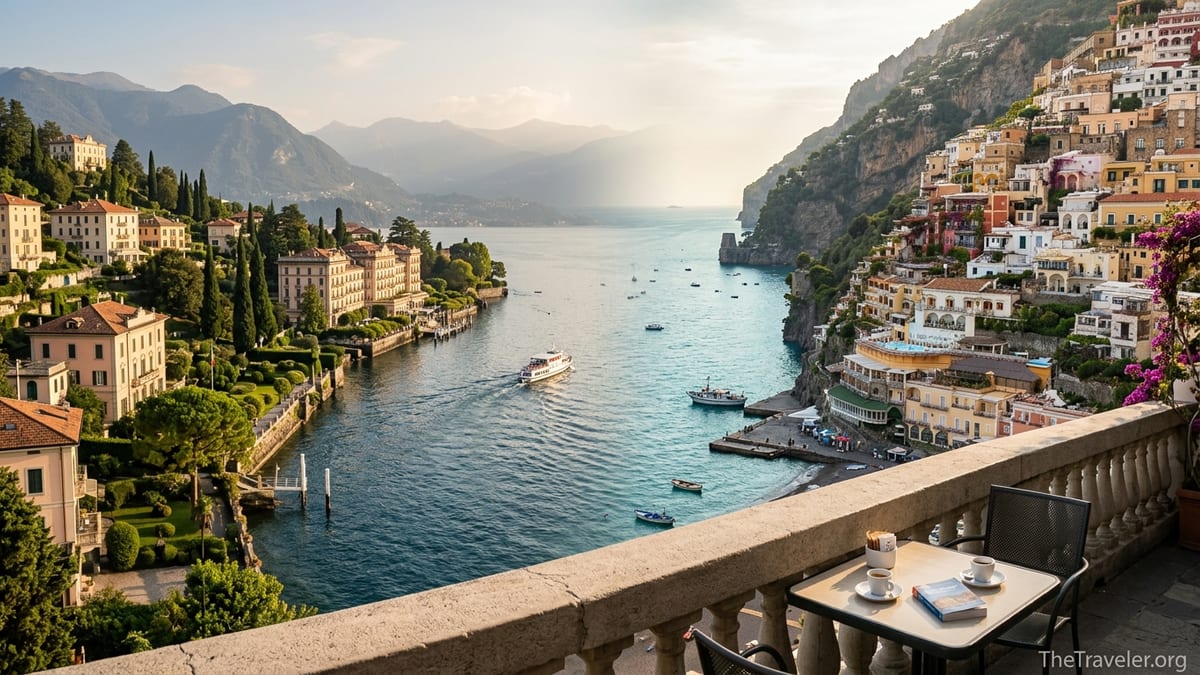
North vs South at a Glance: What Kind of Traveler Are You?
When travelers talk about “Northern Italy,” they usually mean the regions from Liguria and Emilia-Romagna upward: places like Milan, Venice, the Dolomites in Trentino-Alto Adige, Lake Como in Lombardy, and Turin in Piedmont. These areas tend to feel more urban, polished, and businesslike, with efficient public transport and a strong café and aperitivo culture. Think Milan’s fashion district, Verona’s Roman arena, or a lakeside aperol spritz in Bellagio overlooking Lake Como.
“Southern Italy” typically refers to everything from Rome down, especially Campania (Naples and the Amalfi Coast), Puglia, Basilicata, Calabria, and the islands of Sicily and Sardinia. Here, the pace slows, the sun gets stronger, and the scenery swings from volcanic craters on Mount Etna to whitewashed towns like Ostuni in Puglia. It is the Italy of long Sunday lunches, late dinners, and family gatherings spilling into the street.
If you imagine yourself museum-hopping, shopping, and adding a side trip to the Alps or lakes, the north may fit you better. If your ideal day is a morning swim in turquoise water, lunch in a seaside trattoria, and wandering through crumbly alleys past laundry lines at sunset, the south likely matches your style. Many travelers eventually visit both, but for a first focused trip, knowing your own travel pace and priorities is essential.
Budget also plays a role. On average, large northern cities such as Milan and Venice see higher hotel prices, especially in peak months, while southern cities like Naples and Palermo can offer better value for money, even if top-name hotspots like the Amalfi Coast rival or exceed northern prices.
Climate and Landscapes: Beaches vs Alps, Harbors vs Lakes
Climate is one of the clearest dividing lines between north and south. Northern Italy has more pronounced seasons. In January, Milan and Turin can be cold and foggy, with daytime highs often in the single digits Celsius, while ski resorts in the Dolomites are in full winter mode. By contrast, coastal southern cities like Palermo or Bari usually enjoy milder winters, where outdoor café seating is common even in February.
In summer, the north is warm but more varied. The Dolomites, for example, offer cool, alpine air and hiking conditions in July and August, with daytime temperatures often in the low 20s Celsius. Lake regions like Como or Garda deliver hot days and pleasant evenings, ideal for boat trips and swimming from lidos. The south, on the other hand, can be intensely hot from late June through August. Cities like Naples, Lecce in Puglia, or Catania in Sicily routinely see highs above 30°C in midsummer, which pushes many travelers toward beach time and long afternoon breaks indoors.
Scenery also shapes the feel of a trip. A northern itinerary might pair Venice’s lagoon and canals with the dramatic peaks of the Dolomites or the serene, manicured shores of Lake Como. The contrast of Gothic cathedrals, Renaissance palazzi, and snowy mountain backdrops gives the north a crisp, postcard quality. Meanwhile, a southern route could link Naples’ chaotic harbor, Amalfi’s vertiginous cliffs, and sandy coves in Puglia where lidos rent sunbeds for roughly 20–30 euros per person per day in peak season, depending on the beach club and location.
If swimming in the sea is a priority, the south usually wins. The Amalfi Coast, Cilento Coast, Calabria’s Costa degli Dei near Tropea, and most of Sicily offer classic Mediterranean water and beach clubs. Northern waters are beautiful but different in character: pebble beaches around Liguria’s Cinque Terre and the tranquil, often deep lakes near Como and Garda. For hikers and skiers, the Dolomites in the north provide world-class trails and slopes, while the south’s dramatic landscapes tend more toward coastal paths, like the Path of the Gods above Positano or Etna’s lava fields above Catania.
Culture, Cities, and Atmosphere: Polished North vs Slow South
Culture in Italy is highly local, but stereotypes exist for a reason. Northern cities such as Milan, Turin, Bologna, and Verona run on schedules. Shops keep predictable hours, trams and metro lines are frequent, and there is a strong café-and-work rhythm during weekdays. Milan’s Porta Garibaldi business district, with modern towers and designer showrooms, can feel closer to Paris or Zurich than to a sleepy seaside village. Even in historic Venice, vaporetto timetables and museum reservations keep the day structured.
Southern Italy often feels more improvisational. In Naples, traffic patterns seem to obey a different logic, scooter horns are part of the soundtrack, and a simple attempt to cross a street near Spaccanapoli can feel like an adventure. In Sicilian cities like Catania or Palermo, small shops may close for several afternoon hours, then reopen in the evening, when families stroll and social life explodes in piazzas. This looser rhythm is a joy if you embrace it but can frustrate travelers who prefer precise routines.
For art and architecture, both regions are rich but in different ways. The north offers Venice’s Byzantine basilicas, Florence’s Renaissance galleries, and Milan’s Gothic Duomo and Leonardo’s "Last Supper". Short train rides from cities like Bologna or Verona lead to smaller towns with elegant squares and porticoes. In the south, the heritage leans heavily Roman, Greek, and Baroque: Pompeii and Herculaneum near Naples, the Greek temples at Paestum or Agrigento, and the honey-colored Baroque facades of towns like Noto and Lecce.
Think about your tolerance for chaos versus your love of order. If you are energized by street life, spontaneous conversations, and a bit of unpredictability, places like Naples, Bari, and Palermo can be unforgettable. If you prefer clear signage, punctual public transit, and a more polished urban environment, Milan, Turin, Bolzano, and Trento in the north may be more comfortable.
Food and Wine: Butter and Risotto or Olive Oil and Seafood?
Food is central to any Italian trip, and there are striking differences between north and south. In the north, especially in regions like Lombardy, Piedmont, and Veneto, menus lean toward butter, cream, and rich cheeses. You will see risotto alla Milanese, polenta with stews, and dishes like ossobuco in many trattorie. In Venice, cicchetti bars serve small bites such as baccalà mantecato on crostini, often paired with local white wines from the Veneto hills. Emilia-Romagna, straddling north and center, is famous for tagliatelle al ragù, tortellini in brodo, and cured meats like prosciutto di Parma.
Southern Italy’s cooking is anchored in olive oil, tomatoes, herbs, and the sea. In Naples, a classic margherita pizza from a busy pizzeria in the historic center might cost around 6 to 10 euros, depending on toppings and location. Puglia plates up orecchiette with cime di rapa, while Sicily offers pasta alla norma with eggplant and ricotta salata. Fresh grilled fish, fried anchovies, and seafood pastas are staples in coastal towns from Amalfi to Siracusa.
Wine styles differ too. Northern regions produce many of the labels you see on international wine lists: Barolo and Barbaresco from Piedmont, Amarone from the Veneto, and Franciacorta sparkling wines from Lombardy. Tasting rooms in the Langhe hills or on the shores of Lake Garda can be wonderfully organized, often open by reservation with structured tastings. Southern vineyards, particularly in Puglia, Campania, and Sicily, produce increasingly respected wines like Primitivo, Aglianico del Vulture, and Nero d’Avola, often at lower per-bottle prices than their northern counterparts.
If you are traveling with picky eaters or children, both regions are easy, but the simplicity of southern cooking, with plenty of pizza, grilled meats, and straightforward pasta, can be especially family-friendly. Food-focused travelers might choose the north for refined tasting menus in cities like Modena and Milan, or the south for rustic agriturismi near Matera or in the Sicilian countryside where multi-course set menus remain relatively good value.
Costs, Crowds, and Practicalities
Costs vary substantially not only between north and south but within each region. However, some patterns hold. Big-name destinations like Venice, Florence, the Cinque Terre, and Lake Como often sit at the top end of Italian pricing. A midrange double room in central Venice in June can easily start above 200 euros per night, with popular canalside properties climbing significantly higher. Restaurant prices in tourist-heavy northern centers tend to follow suit, especially for waterfront or piazza seating.
In the south, Naples, Palermo, and Catania generally offer more budget-friendly options. It is still common in 2026 to find simple but central guesthouses in these cities in the range of roughly 90 to 140 euros per night in shoulder season, with higher rates in late July and August. That said, exclusive pockets like Positano, Capri, or Taormina command prices on par with or above northern luxury destinations. A seaview room in Positano in peak season can easily reach several hundred euros per night, similar to or exceeding a lakefront stay in Bellagio on Lake Como.
Transport is another factor. Italy’s high-speed rail network, operated mainly by Trenitalia’s Frecciarossa services and the private Italo trains, connects key northern and central hubs such as Turin, Milan, Bologna, Florence, Rome, Naples, and Salerno in just a few hours. Tickets bought well in advance can be very good value compared with internal flights. Regional trains are more common and often slower in the far south, particularly in parts of Calabria and Sicily, where a 170-kilometer route like Catania to Palermo can still take around three hours by rail.
If you rely on trains and want straightforward connections, a northern itinerary that stays along the Turin–Milan–Verona–Venice or Milan–Bologna–Florence axis will feel effortless. The south is still very manageable by rail and bus, but reaching smaller beach towns or hilltop villages often requires a combination of regional trains, local buses, and sometimes private transfers. Renting a car is common for Puglia, Basilicata, and parts of Sicily, while many travelers skip driving entirely in northern cities, where car-free zones and parking costs can be challenging.
Trip Types and Sample Itineraries: Matching Region to Travel Style
For a first-time visitor who wants the “greatest hits” of Italian art and architecture with minimal logistical stress, a northern-focused itinerary often works best. One classic 8 to 10 day route links Venice, Florence, and Rome, all on fast trains, with a side trip to Pisa or Bologna. Another option is to fly into Milan, spend a couple of days exploring the Duomo and Navigli district, then head to Lake Como for three nights of boat rides and lakeside dinners, finishing in Verona or Venice.
Adventure and outdoor enthusiasts might prioritize the Dolomites, accessible from gateways like Bolzano or Cortina d’Ampezzo. In summer, you can base yourself in towns such as Ortisei or Canazei for multi-day hikes with rifugio stays, while winter brings skiing on the Sella Ronda circuit. Combining the Dolomites with a cultural city stop in Venice or Verona gives a satisfying balance of nature and history within the north.
Travelers who imagine lazy beach days, vibrant street life, and archaeology-heavy excursions often find the south more rewarding. A 10 to 12 day southern itinerary could start in Naples, with day trips to Pompeii and the island of Procida, then move to the Amalfi Coast for cliffside views in Positano or Amalfi, and finish with a few nights in Matera’s cave hotels or in Puglia’s whitewashed towns such as Ostuni or Polignano a Mare. Another southern route might focus solely on Sicily: landing in Palermo, driving east via Cefalù and the Madonie hills, then finishing in Taormina or Siracusa with time on Mount Etna.
Couples looking for romance can find it in both halves of the country. Northern classics include gondola rides and hidden courtyards in Venice or sunset ferries on Lake Como. In the south, candlelit terraces in Positano, rooftop bars overlooking Palermo’s tiled roofs, and sunset swims off the Aeolian Islands set a different but equally memorable tone. For families, the best region may depend on children’s ages: teenagers might love the adventure and street food of Naples and Palermo, while younger kids may be easier to manage in walkable, orderly cities like Verona or Bologna.
When to Go: Timing Your Northern or Southern Italy Trip
Timing can tilt the balance between north and south. In peak summer, from late June through August, many northern cities become hot and crowded, but the Dolomites and lakes stay relatively comfortable. The south can feel very hot during this period, especially inland, which is excellent for beach-focused trips but less ideal for intensive sightseeing in places like Pompeii or Matera in the midday sun.
Spring and autumn are often the sweet spots for both regions. In April and May, northern cities like Florence, Venice, and Milan enjoy mild temperatures, blooming gardens, and manageable crowds. At the same time, the south’s seas begin warming up, especially from late May onward, making early season trips to Puglia, Sicily, or the Amalfi Coast appealing for travelers who want both swimming and sightseeing.
In September and October, wine regions in the north buzz with harvest season, and temperatures soften after the summer heat. Lakes and mountains stay gorgeous, with fewer families around once European school holidays end. In the south, early autumn offers warm water and cooler air, ideal for hiking coastal paths and exploring archaeological sites with more comfort. By November, some smaller seaside businesses in both north and south reduce hours or close for the season, especially in purely holiday towns, so a shoulder-season itinerary should anchor itself around larger cities that remain lively year-round.
If you can travel only in winter, the north lends itself to Christmas markets in cities like Bolzano, Verona, and Milan, plus skiing in the Alps. The south gives a milder, moodier version of Italy, with quieter resort towns but pleasant city breaks in Naples, Palermo, or Cagliari, where café culture and markets continue even when beach umbrellas are packed away.
The Takeaway
There is no single “better” choice between Southern and Northern Italy, only a better match for your style and season. Northern Italy typically suits travelers who prioritize art museums, design-forward cities, alpine or lake landscapes, and efficient transport between major hubs. Southern Italy tends to attract visitors drawn to intense colors, historic ruins, slower rhythms, and the daily presence of the sea.
If your dream trip includes high-speed train hops, gallery-hopping, and a side of mountain air, plan around the north. If you picture yourself nibbling fried anchovies in a harbor, watching kids play soccer in a cobbled piazza at 11 p.m., and leaving the schedule a little loose, the south will likely feel like home. Many repeat visitors eventually design itineraries that blend both halves of the country, riding the high-speed rail spine from Milan or Venice down to Naples before branching into smaller southern regions.
Start by listing your nonnegotiables: city energy or village life, mountains or beaches, structured days or spontaneous evenings, splurge hotels or simple guesthouses. Then map those preferences onto specific destinations rather than abstract halves of the country. With that clarity, you can choose a north-focused, south-focused, or mixed itinerary that feels tailored instead of generic, and experience an Italy that fits you instead of the other way around.
FAQ
Q1. Is Southern Italy cheaper than Northern Italy for travelers?
Generally, everyday costs like local meals and midrange hotels are often lower in many southern cities such as Naples or Palermo than in northern hubs like Milan or Venice. However, famous southern hotspots such as Positano or Capri can be as expensive as, or more expensive than, Lake Como or Florence, especially in peak season.
Q2. Which region is easier to get around without a car?
Northern Italy is usually easier without a car, thanks to dense high-speed and regional rail connections between cities such as Milan, Venice, Bologna, and Verona. In the south, trains and buses work well between major points like Naples, Salerno, Bari, and Palermo, but smaller coastal and countryside destinations often require more planning or private transfers, making a rental car helpful in areas like Puglia or inland Sicily.
Q3. Where should I go if I want beaches and swimming?
If sea swimming is your priority, Southern Italy has the edge, with the Amalfi and Cilento coasts, Calabria’s Tyrrhenian beaches, and Sicily’s many bays offering classic Mediterranean conditions. The north offers beautiful alternatives like Lake Garda and Lake Como and the Ligurian Coast near Cinque Terre, but these have a different feel, with more lakefront promenades and rocky coves than long sandy seasides.
Q4. Which part of Italy is better for first-time visitors?
For a classic first trip focused on art, architecture, and simple logistics, a route including Venice, Florence, and Rome, mostly in the north and center, is often easiest. However, confident travelers who do not mind a bit more chaos and want strong street life and food culture may happily start in the south with a Naples, Amalfi Coast, and Puglia or Sicily itinerary.
Q5. When is the best time to visit Southern vs Northern Italy?
Spring and autumn are ideal for both, but with different strengths. Visit the north in April, May, September, or October for comfortable city sightseeing and alpine or lake scenery. Choose late May, June, or late September to October in the south if you want warm seas for swimming without the full intensity of July and August heat.
Q6. Is Southern Italy safe for travelers compared with the north?
Both regions are broadly safe for visitors who take normal city precautions, such as watching bags in crowded areas and avoiding poorly lit streets late at night. Petty theft can occur in large cities like Rome, Milan, or Naples, especially around transport hubs, but violent crime against tourists is relatively rare. As always, staying aware of your surroundings and using hotel safes for valuables is sensible.
Q7. Which region has better food?
Food quality is high across the country, but styles differ. The north excels at risottos, polenta, cured meats, and refined restaurant scenes in places like Milan, Bologna, and Turin. The south shines with pizza in Naples, seafood all along the coasts, and rustic dishes in Puglia and Sicily. Most food-loving travelers find it hard to declare an overall winner and instead choose based on whether they prefer butter and cheese-heavy dishes or olive oil and tomato-driven cooking.
Q8. Do I need to speak Italian to travel in Southern or Northern Italy?
In major tourist centers across both north and south, many people working in hotels, restaurants, and transport speak at least basic English. In smaller towns, especially in rural southern regions, English may be less common, but simple Italian phrases and translation apps are usually enough. Locals tend to appreciate any effort to use Italian, regardless of region.
Q9. How long should I spend in each region if I want to see both?
If you have about two weeks, a balanced plan might be 7 to 8 days in the north, using hubs like Milan, Venice, or Florence, and 6 to 7 days in the south, such as Naples and the Amalfi Coast or a focused loop around Sicily. With only 10 days, it is usually better to choose either north or south rather than rushing through both, unless you are comfortable with a fast pace and frequent train rides.
Q10. Is renting a car necessary in either region?
You do not need a car for a city and train-based itinerary in the north, and in fact driving in historic centers is often more trouble than it is worth due to limited-traffic zones and parking costs. In the south, a car can be very useful for exploring Puglia’s countryside, smaller Calabrian towns, or rural parts of Sicily, though many classic routes, such as Naples plus the main Amalfi Coast towns, can still be managed with a combination of trains, ferries, and buses.