


More news on this day
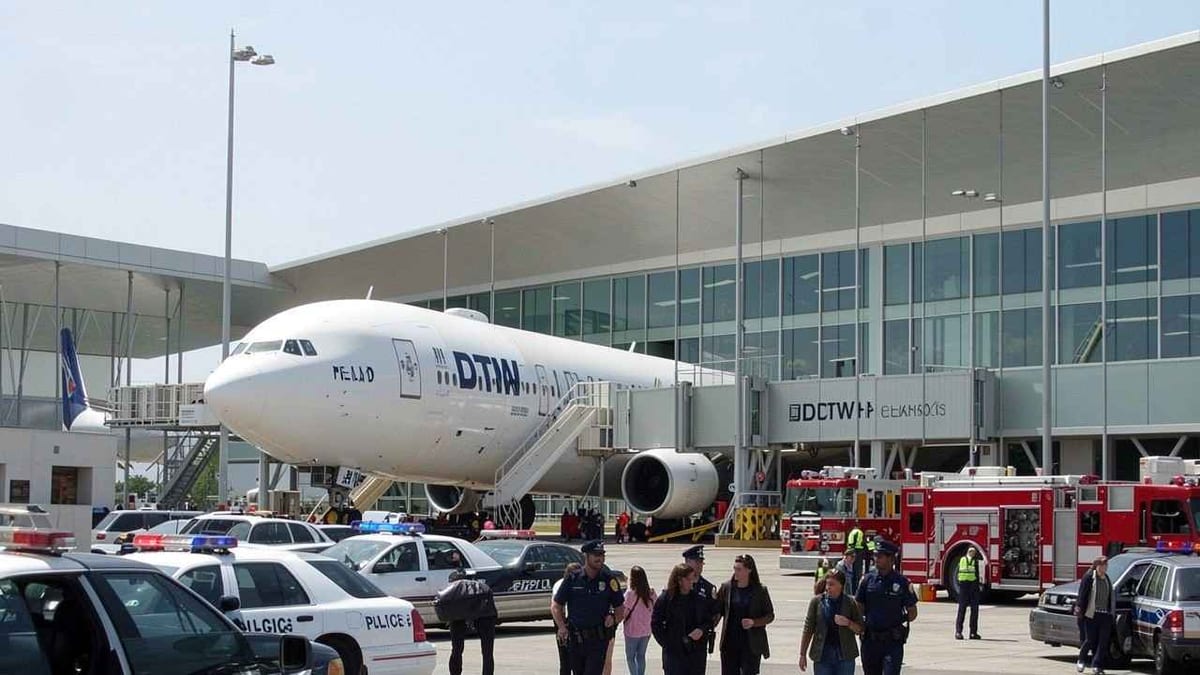
A Southwest Airlines flight operating as SWA2887 diverted to Minneapolis–St. Paul International Airport, prompting schedule disruptions for travelers and renewed attention to how diversions are handled across the carrier’s network.
Get the latest news straight to your inbox!
Diversion Brings Southwest Service Into Minneapolis–St. Paul
Publicly available flight-tracking and schedule data indicate that flight SWA2887, a Southwest Airlines service normally routed elsewhere in the domestic network, diverted to Minneapolis–St. Paul International Airport, temporarily adding an unscheduled Southwest arrival to the Twin Cities.
The diversion brought the aircraft into Minneapolis–St. Paul International Airport, a major Upper Midwest hub that also handles a growing portfolio of low cost and leisure carriers, including Southwest. The airport’s secondary terminal frequently accommodates such operators and is equipped to manage irregular operations and unplanned arrivals.
Data on Southwest’s broader Minneapolis–St. Paul operation show that the carrier serves the market with multiple daily flights that connect into its nationwide network. The arrival of SWA2887 as a diversion rather than a scheduled service underscores how flexible airport capacity and airline routing can help absorb disruptions across a busy U.S. system.
While full timing and routing specifics for SWA2887 continue to be compiled from flight histories and schedule databases, early information points to the diversion being handled within standard operational practices, with no immediate indication of serious onboard emergencies.
Operational Context and Possible Drivers for the Reroute
Flight diversions can stem from a range of factors including weather along the route, congestion at the intended destination, aircraft maintenance checks, or crew-duty time limitations. Publicly accessible industry data and recent discussions around Southwest’s performance highlight how tightly scheduled operations can leave carriers with limited options when irregular events occur.
Recent seasons have brought elevated operational strain to many U.S. airlines, especially during peak travel periods. Analysis of nationwide flight performance for major carriers shows that even modest delays early in the day can cascade, with later departures facing increasing risk of disruption, rerouting, or diversion to alternate airports.
In that environment, sending SWA2887 to Minneapolis–St. Paul would align with standard diversion logic: route the aircraft to an airport with available runway capacity, compatible ground-handling capabilities, and workable options for refueling, maintenance evaluation, or crew changes if needed.
Although detailed meteorological and traffic conditions for the exact operating window of SWA2887 vary by route, patterns across the system show that weather systems, especially during summer, can trigger rapid changes in flight paths, with alternate airports such as Minneapolis–St. Paul frequently used as relief points.
Impact on Passengers and Downline Operations
For travelers on SWA2887, the diversion likely meant extended time in the air or on the ground away from the intended destination, followed by rebooking or continuing service once the aircraft’s status was clarified. Passenger accounts on similar Southwest diversions in recent months describe a mix of onboard announcements, gate adjustments, and rolling updates through airline apps and airport displays as plans evolve in real time.
Schedule data for Southwest’s network show that a single diverted aircraft can create a ripple effect, particularly when that aircraft is due to operate multiple onward legs the same day. A diversion into Minneapolis–St. Paul may therefore have required schedule reshuffling, aircraft swaps, or crew reassignments to keep later departures as close to plan as possible.
Industry observers note that diversions like SWA2887 can also influence how airlines manage customer service policies, including same-day changes, hotel support in the case of missed connections, and compensation where required by internal guidelines. Publicly posted advisories from airlines generally outline rebooking options when flights are significantly disrupted, although the specifics differ by situation.
For Minneapolis–St. Paul International Airport itself, an additional unscheduled Southwest arrival fits within a broader pattern of irregular operations that large airports routinely manage. Ground crews, airport operations teams, and other carriers regularly adjust gate assignments and turnaround timelines to accommodate aircraft that arrive out of pattern.
Southwest’s Broader Performance Picture
The diversion of SWA2887 comes at a time when Southwest’s operation has been under close public scrutiny. Industry statistics and traveler discussions have pointed to fluctuating on time performance for the carrier, with some routes experiencing more frequent delays, re-routings, and schedule adjustments than in previous years.
Analysts reviewing federal transportation datasets and airline performance summaries note that higher aircraft utilization and tighter turn times can increase vulnerability to disruptions. When conditions deteriorate, even a single irregular event such as the diversion of SWA2887 can compound constraints across multiple city pairs served by the same aircraft.
At the same time, Southwest continues to maintain a large U.S. domestic footprint, including service to Minneapolis–St. Paul as part of a network that reaches over 100 destinations. Diversions into large, well equipped airports are viewed within the industry as a sign that carriers are using available infrastructure to stabilize operations when routes do not go as planned.
Observers following the carrier’s evolving business model and network strategy point out that how Southwest handles incidents such as the SWA2887 diversion contributes to customer perception, especially among frequent travelers who rely on tight connections or time sensitive itineraries.
What Travelers Can Expect After a Diversion
Events like the diversion of SWA2887 highlight several practical considerations for passengers, regardless of airline or route. Public information distributed by consumer groups and aviation agencies typically encourages travelers to monitor their flights through both airline apps and third party trackers, which can show diversions and route changes in near real time.
When a diversion occurs, airlines generally focus first on aircraft safety and regulatory requirements, followed by decisions about whether the flight will continue to its original destination, terminate at the diversion point, or feed passengers to other services. In the case of SWA2887’s arrival in Minneapolis–St. Paul, travelers would be guided by a combination of onboard announcements and airport messaging describing next steps.
Travel experts also recommend that passengers familiarize themselves with carrier specific policies on delays and cancellations. These policy documents outline the circumstances under which travelers may receive rebooking assistance, travel credits, or refunds when a flight cannot be completed as scheduled because of events such as diversions.
With peak travel periods continuing across the United States, the SWA2887 diversion into Minneapolis–St. Paul serves as a reminder that even routine domestic flights can be subject to rapid changes, and that both airlines and airports rely on flexible contingency planning to keep passengers moving when unexpected events occur.