


More news on this day
Spain’s vital holiday tourism season is facing a new threat as European jet fuel markets tighten sharply, prompting warnings that flight schedules across the continent could be cut back or disrupted just as summer bookings accelerate.
Get the latest news straight to your inbox!
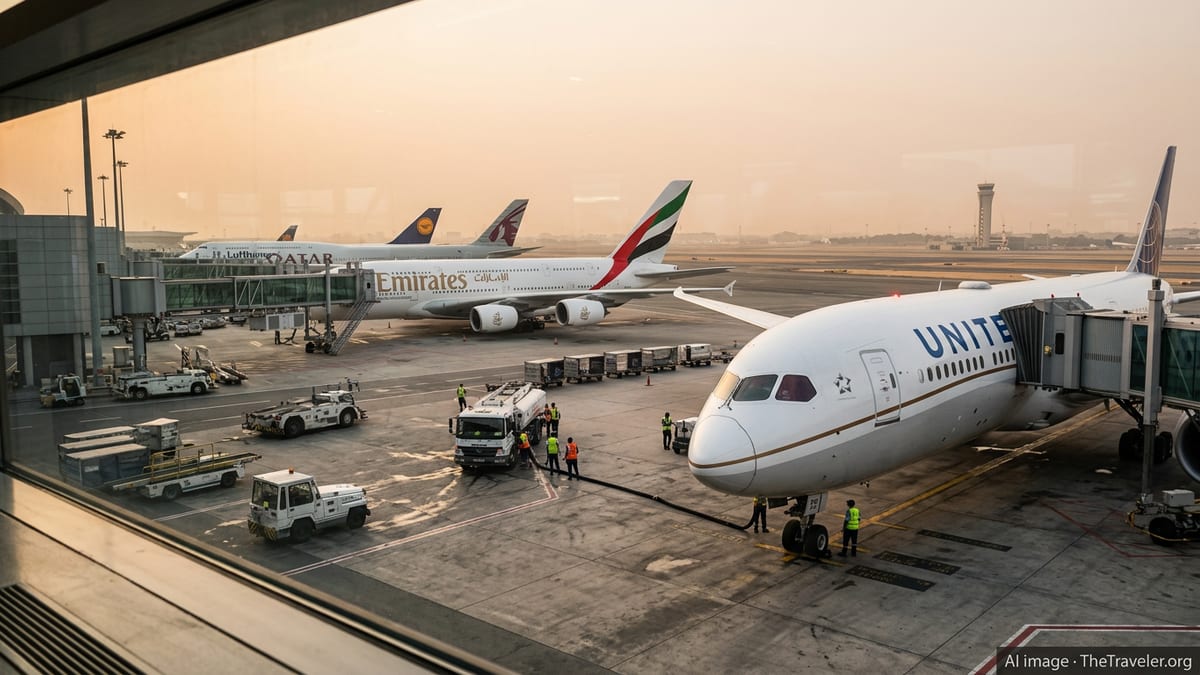
How Europe’s Jet Fuel Crisis Reached Spain’s Doorstep
The jet fuel crunch is being driven by the conflict in the Middle East and the resulting disruption of tanker traffic through the Strait of Hormuz, one of the world’s most important energy corridors. Industry analyses describe the closure or severe restriction of this route since late February 2026 as the largest shock to global oil supply in decades, with aviation fuel singled out as especially exposed because there are fewer alternative supply channels compared with other refined products.
European aviation bodies and energy analysts have warned that the final jet fuel cargoes shipped before the Hormuz disruption are now arriving at European ports, meaning that stocks built up earlier in the year will soon face a tougher test. Recent coverage by European outlets reports that airports and airlines are increasingly concerned about the physical availability of fuel later in April and into the summer, not just the price.
A letter sent in early April by the European airport industry to policymakers flagged the risk of a “systemic” jet fuel shortage from late April if the external supply shock is not resolved. That warning encompassed the entire EU network, including Spain, and highlighted the possibility of rationing, emergency sourcing measures, and schedule cuts if fuel contracts and reserves prove insufficient.
For travelers focused on Spain, the broader European context matters. Airlines tend to manage fuel on a network basis, moving capacity and aircraft between countries and hubs. If carriers are forced to trim schedules in response to regional fuel constraints, popular Spanish destinations could be affected even if individual Spanish airports are not the first to face shortages.
Current Fuel Conditions at Spanish Airports
So far, publicly available information suggests that Spain is in a relatively stronger position than some neighboring countries. Reports indicate that Spain’s refining sector has significant capacity to produce aviation fuel domestically, reducing reliance on imports compared with several northern European states that depend heavily on shipments from the Middle East and Asia.
Recent coverage in Spanish media notes that the national airport operator has stated there are currently no outright fuel supply problems at Spain’s airports, based on information from storage and logistics companies. This does not mean the country is insulated from the crisis, but it suggests that immediate, localized shortages at major hubs such as Madrid and Barcelona are not yet occurring.
Nonetheless, the same reports emphasize that Spain’s government and airline industry are closely tracking developments and have warned that sustained disruption to global jet fuel flows could eventually affect the country. Airlines flying to and from Spain are already grappling with much higher fuel bills, and some are reviewing summer capacity and pricing plans across their networks.
Travelers should understand that the risk in Spain at this stage is less about waking up to find an airport suddenly “out of fuel” and more about the potential for airlines to adjust schedules, swap aircraft, or consolidate flights on relatively short notice if supply tightens later in the season.
What This Could Mean for Summer Flights and Fares
Across Europe, airlines have been warning for weeks that sustained high fuel prices and supply uncertainty may force them to reduce planned summer flying. Several carriers based in northern Europe have already announced cuts to spring and early summer schedules, citing both cost pressures and the need to conserve fuel.
Budget and leisure-focused airlines that rely heavily on Spain are signaling similar headwinds. Industry commentary reports that jet fuel now accounts for roughly a third of operating costs and that hedging strategies put in place earlier in the year may not fully shield carriers if prices stay elevated and physical supplies tighten. Some low cost airlines have already indicated that ticket prices are likely to rise toward the end of the summer to reflect the new fuel reality.
For Spain’s tourism hotspots in regions such as the Balearic and Canary Islands, this combination of higher prices and potential schedule adjustments could translate into fewer seats than initially planned, especially on the most fuel-intensive longer routes. Tour operators and travel platforms are watching booking patterns closely, as any significant reduction in capacity could push up prices further for remaining seats during peak weeks in July and August.
Travelers should be prepared for a more dynamic environment than in a typical year. Even if their chosen Spanish airport maintains adequate fuel supplies, decisions made by airlines at the European or global level may still lead to last minute timetable changes, equipment swaps, or routing adjustments designed to optimize fuel use.
Key Risks for Travelers Heading to Spain
The most immediate risk for holidaymakers is an increase in flight costs. With jet fuel prices sharply higher than earlier forecasts, many airlines are reassessing summer pricing, and some have publicly indicated that further fare hikes are likely if the situation in the Gulf does not improve. This could particularly affect last minute bookings to Spanish beach destinations, which traditionally command a premium during school holidays.
A second risk is schedule disruption. If fuel availability deteriorates, airlines may introduce “tankering” practices on certain routes, carrying extra fuel from airports with stronger supplies in order to avoid refueling where stocks are thin. While this can help keep services running, it also reduces payload flexibility and may prompt airlines to cap passenger numbers or cargo on selected flights.
In a more severe scenario, carriers could proactively trim flight programs into Spain, consolidating lightly booked services or suspending marginal routes to preserve fuel for their most profitable or strategically important links. The experience of other European airports already resorting to fuel rationing shows that such decisions can materialize quickly once local constraints are confirmed.
There is also an indirect risk from wider European disruptions. Spain’s tourism sector depends heavily on visitors connecting through hubs in other countries. If those hubs face tighter rationing or operational restrictions, knock on effects such as missed connections, diversions, or aircraft repositioning could ripple into Spanish airports even if domestic fuel stocks remain adequate.
Practical Steps Before You Book a Trip to Spain
Given the heightened uncertainty, travelers considering trips to Spain in late spring or summer may wish to adjust how they plan and book. One important step is to pay closer attention to fare conditions. Choosing tickets that allow reasonable changes or refunds, even at a small premium, can offer valuable flexibility if airlines later adjust schedules in response to fuel constraints.
Travel insurance policies are another area to examine carefully. Not all plans treat fuel related disruptions in the same way, and some may classify such events as extraordinary circumstances. Travelers should review policy wording to understand what is covered in the event of cancellations, long delays, or missed connections linked to widespread operational issues.
It may also be sensible to prioritize flights on larger carriers or through major hubs with more options for rebooking if something goes wrong. When one flight in a complex network is affected by aircraft or fuel availability, airlines with multiple daily services on a route typically have more scope to re accommodate passengers than smaller operators with limited frequencies.
Finally, travelers should plan for the possibility of longer journey times and increased airport waiting. Monitoring airline notifications, keeping contact details up to date in bookings, and allowing extra margin for connections can reduce stress if last minute changes arise. While Spain’s airports are not yet at the center of the jet fuel crisis, the country’s role as a leading holiday destination means any Europe wide disruption is likely to be felt by visitors sooner rather than later.