


More news on this day
Spain-bound travelers are being urged to review their plans as an open-ended strike by ground-handling staff at Barcelona’s Josep Tarradellas El Prat Airport continues to disrupt flights, baggage delivery and turnaround times at one of Europe’s busiest summer gateways.
Get the latest news straight to your inbox!
Indefinite Groundforce Strike Hits Peak Holiday Season
Groundforce ground-handling workers at Barcelona El Prat began an indefinite strike at 00:00 on 4 August 2026, with no agreed end date. Public information from the Catalan government and local outlets indicates that the walkout affects check-in, boarding, ramp operations and flight coordination, directly impacting aircraft turnaround times in the middle of the peak summer travel period.
Reports describe the action as open-ended, with union announcements and strike-tracking services noting that emergency talks have not yet produced a settlement. Minimum service levels ordered by authorities are high, but the combination of reduced staffing and sustained passenger demand has created pressure points across the airport’s daily operation.
The walkout targets Groundforce, a major handling provider at El Prat. The company services a wide portfolio of European and long-haul airlines, which makes the impact broader than a dispute at a single carrier. With August traditionally among the busiest months for both tourism and returning residents, disruption at Barcelona’s main airport has drawn attention well beyond Catalonia.
Travel industry monitoring sites and local media continue to describe the strike as indefinite, advising passengers with flights in and out of Barcelona in late August and early September to remain alert to schedule changes and evolving conditions at the airport.
Airlines and Routes Most Exposed to Disruption
Groundforce handles ground services for a large roster of airlines at Barcelona El Prat, including major European and transatlantic brands. According to publicly available airline lists compiled by local media and passenger-rights guidance, carriers such as Air Europa, Lufthansa, Air France, KLM, Qatar Airways, Turkish Airlines, United Airlines, ITA Airways, Finnair and several leisure operators rely on Groundforce teams at the airport.
This handling network covers flights across Europe, North Africa, the Middle East and North America, meaning that disruption is not confined to routes within Spain. Connections via Barcelona to hubs such as Paris, Frankfurt, Amsterdam or Doha can be affected if aircraft face delayed turnarounds or baggage-handling bottlenecks on departure or arrival.
Coverage in Spanish and Catalan outlets indicates that domestic carriers and low-cost airlines using other handling providers may be less directly affected, although knock-on delays remain possible when stands, equipment or shared infrastructure are constrained. Travelers connecting between a Groundforce-handled airline and another carrier at El Prat should factor in extra margin between flights where possible.
Some reports from passengers highlight particularly acute problems on long-haul and wide-body operations, where the volume of baggage and catering logistics increases the workload for already stretched ground teams. These flights are more likely to see late departures, extended waits on arrival or partial offloading of luggage when ramp staff capacity is limited.
What Travelers Are Experiencing on the Ground
Local news reports and traveler accounts describe a mixed picture inside the terminals. Many flights are still operating, especially those covered by minimum service requirements, but delays, cancellations and baggage issues are recurring themes. Early strike days reportedly saw dozens of cancellations and aircraft departing without all checked baggage loaded.
Subsequent coverage mentions growing backlogs of luggage stored at the airport while airlines and handlers attempt to recover from the initial disruption. Some travelers report waiting days for bags to be forwarded to final destinations, while others recount extended holds on the tarmac after landing as limited ground staff work through arriving aircraft one by one.
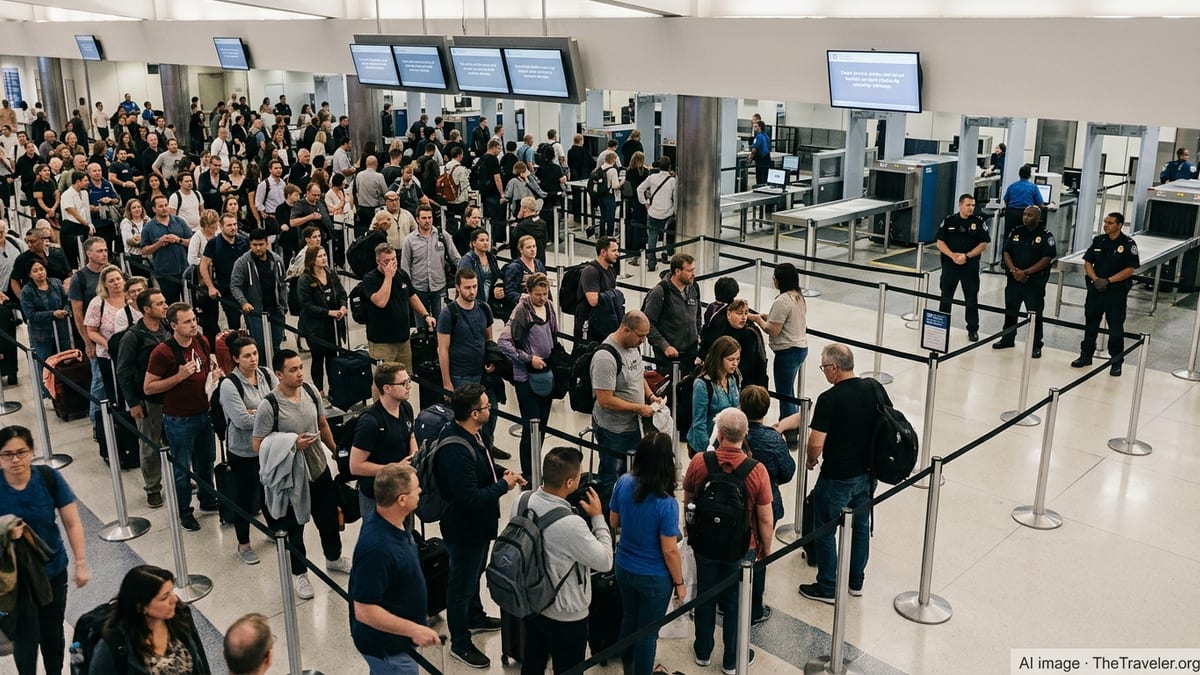
Despite these issues, several news reports stress that the strike’s impact is uneven. At certain times of day, operations can appear almost normal, with queues manageable and boarding proceeding on time. At other times, especially during peak morning and evening waves, the combination of high passenger volumes and restricted staffing leads to long lines at check-in, delayed boarding and missed connections.
Airport-focused community forums and social posts from recent passengers suggest that information at the airport can be patchy, with some travelers learning about delays or baggage problems only after boarding or arrival. As a result, travel organizations and consumer sites are urging passengers to take extra precautions rather than assuming routine conditions at El Prat.
Government Guidance and Passenger Rights
The Catalan regional administration has published specific guidance for passengers using Barcelona El Prat during the strike. Official information portals emphasize that airlines remain responsible for informing customers of schedule changes, providing assistance in case of long delays or cancellations, and managing baggage claims when luggage is delayed or lost.
Publicly available guidance advises travelers to check flight status before leaving for the airport, arrive with additional time for check-in and security, and keep essential items and a change of clothes in carry-on luggage in case of baggage disruption. Passengers on package holidays are encouraged to stay in close contact with their tour operators, who may offer alternative routing or support if flights are significantly affected.
European Union air passenger regulations continue to apply during the strike. Under EU rules, travelers may be entitled to care, rerouting or refunds in the event of cancellations or long delays, although compensation for industrial action can depend on whether disruption is considered within the airline’s control. Consumer organizations in Spain are reminding passengers to keep boarding passes, receipts and any written notices from airlines to support potential claims.
Information from regional authorities also underlines that minimum services have been set for essential operations at the airport, prioritizing certain flights such as those to island territories or with limited alternative options. Even so, travelers on these routes are still being told to verify timings and allow extra time, as bottlenecks may still occur in baggage handling and boarding.
Practical Advice for Spain-Bound Visitors
For travelers planning trips to Barcelona or onward connections through El Prat in the coming days, the strike means building flexibility into itineraries. Travel advisories and local coverage recommend monitoring airline apps or websites closely, signing up for flight alerts, and checking whether alternative flights from other Spanish airports could be a backup if disruption intensifies.
Tourism specialists note that rail links and domestic flights via Madrid or regional airports may provide contingency options, especially for those with fixed cruise departures or time-sensitive events in Catalonia and beyond. However, any rerouting is likely to incur additional cost unless arranged directly by airlines or tour operators as part of disruption management.
Visitors already in Spain are being encouraged to factor potential airport delays into accommodation check-out times, car rentals and transfers. Leaving extra time between hotel departures and flight check-in can reduce stress if queues or last-minute gate changes occur. For those connecting from long-haul flights into Barcelona, travel forums suggest avoiding tight same-day onward plans to remote areas or islands.
With the Groundforce strike officially open-ended, the situation at Barcelona El Prat may remain unpredictable into early September. Travelers heading to Spain’s northeast should stay informed through reliable news outlets, official regional portals and their airlines, and be prepared for a less-than-smooth experience at one of the country’s primary international gateways.