


More news on this day
On Spain’s eastern coast, where sunlit promenades and packed beaches once symbolized unqualified success, a mounting public backlash is recasting tourism as a threat to social cohesion in cities such as Valencia and Alicante.
Get the latest news straight to your inbox!
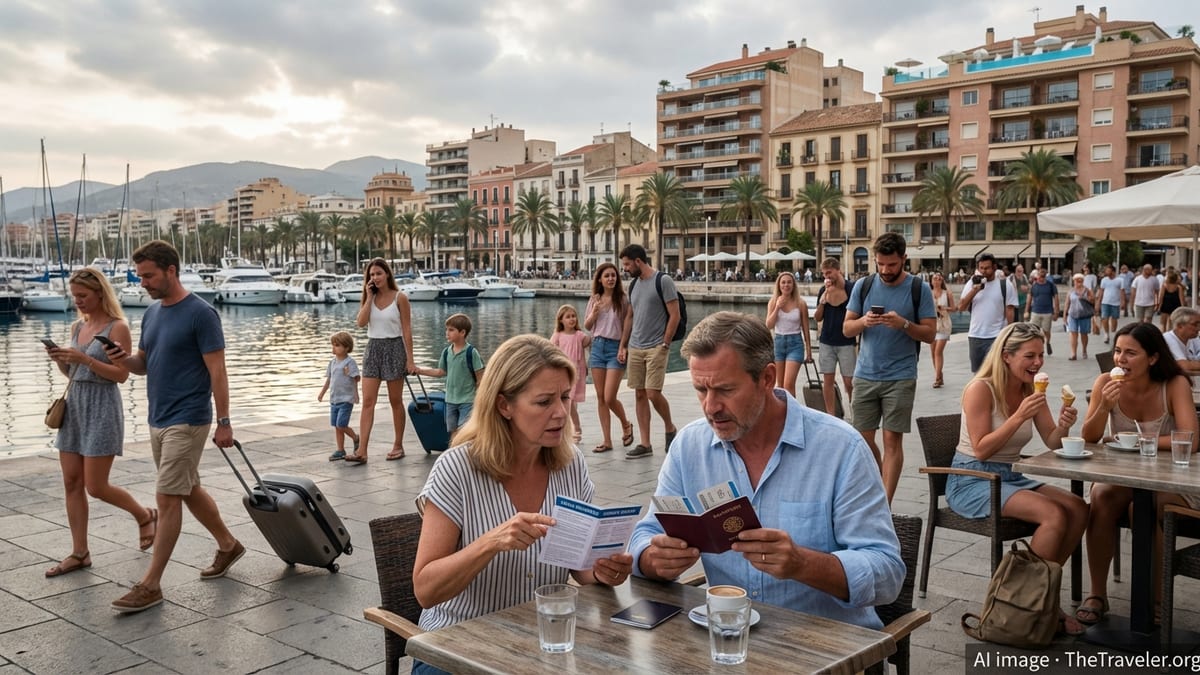
Record Visitor Numbers Meet Local Frustration
Spain remains one of the world’s tourism powerhouses, drawing tens of millions of international visitors each year and setting a national record of more than 90 million foreign arrivals in 2024. Economists highlight tourism as a key pillar of recovery after the pandemic, with regional data indicating that it contributes well over 15 percent of output in the wider Valencia region. For years, destinations along the Mediterranean coast were encouraged to expand capacity, extend seasons and welcome ever higher volumes of visitors.
Yet in the streets of coastal cities, the narrative is shifting. Residents’ groups and urban researchers increasingly link the tourism boom to a housing crunch, the loss of neighborhood businesses and a growing sense that local life is being reordered around visitor consumption. Reports from Spanish and European media describe protests, neighborhood assemblies and online campaigns that criticize what is widely labeled “overtourism.”
Publicly available information shows that these tensions have been visible in multiple regions since at least 2024, when large demonstrations in the Balearic and Canary Islands, Barcelona and other hotspots drew international attention. The focus has since expanded to mainland hubs along the sunbelt, including Valencia and the Costa Blanca around Alicante, where residents point to crowded public spaces, congested infrastructure and the erosion of everyday affordability.
The debate now centers less on whether tourism is economically important and more on how much is too much for communities already facing rising rents and stagnant local wages. That shift is giving political weight to voices arguing for tighter controls on visitor flows, particularly in city centers and seafront districts.
Alberto Ibáñez and the Politics of Tourism “Degrowth”
Within this evolving landscape, Alberto Ibáñez, a member of Spain’s Congress representing Valencia, has emerged as one of the most prominent national figures calling for a deliberate slowdown in tourism growth. Public statements reported in Spanish and international outlets portray Ibáñez arguing that in cities such as Valencia and Alicante it has become “impossible to live” under current levels of visitor pressure, with tourism described as “devouring” the urban fabric instead of supporting it.
Coverage of his interventions in Madrid indicates that Ibáñez is advocating not only for stricter regulation of tourist rentals and cruise traffic, but also for a broader rethinking of economic priorities. Instead of celebrating new visitor records, he has aligned himself with the idea of “tourism degrowth,” which favors stabilizing or even reducing arrivals in order to prioritize housing access, public services and cultural life for residents.
Recent reporting shows that Ibáñez has requested a dedicated parliamentary commission to examine the real social impact of mass tourism and its links to Spain’s housing crisis. His arguments emphasize the perceived imbalance between the modest day-to-day spending of many short-stay visitors and the lasting pressure that tourism-focused investment exerts on land values, rental prices and municipal services.
The attention given to Ibáñez’s stance, including coverage in British and Spanish media, highlights how the overtourism debate has moved from local assemblies and municipal campaigns into the national arena. It also underlines a growing divide between parts of the tourism industry, which warn of potential job losses, and community organizations that say the cost of inaction is an ongoing exodus of residents from historic districts and coastal neighborhoods.
Valencia’s Crackdown on Holiday Rentals
Valencia, long promoted as a city of arts, beaches and festivals, has become a key testing ground for new regulatory tools. Recent reports describe city hall tightening licensing rules for short-term tourist apartments after years of rapid growth in platforms catering to visitors. Local and international travel coverage notes that Valencia is moving to curb thousands of unregistered or irregular holiday rentals, with the stated aim of returning homes to the long-term market and protecting residential neighborhoods.
Media analyses explain that the city’s updated framework includes tougher fines for illegal rentals and stricter zoning to prevent further tourist accommodation in already saturated areas. The changes follow successive demonstrations and housing marches in Valencia, where residents’ federations have repeatedly described the rental market as “unsustainable” and called for price limits in high-pressure districts.
Urban policy studies and housing market reports point to a combination of factors driving scarcity: limited construction of affordable housing, strong demand from international buyers and investors, and the conversion of central apartments into visitor stays. In this context, the clampdown on holiday rentals is being framed by supporters as one of the few fast-acting tools available to municipalities seeking to reduce speculative pressure and keep year-round residents in the city center.
For travelers, the practical impact may be a gradual reduction in the number of whole-apartment rentals in certain areas and a likely shift toward registered hotels, hostels and regulated guesthouses. For locals, advocates argue that fewer tourist flats should help moderate rents over time and ease crowding in popular quarters around cultural landmarks and the seafront.
Alicante and the Costa Blanca Join the Protest Wave
Further down the coast in Alicante and the wider Costa Blanca, the tourism model built around sun, sea and second homes is experiencing its own reckoning. Regional news and specialist real estate outlets have documented a series of demonstrations in Alicante since 2024, with campaign groups criticizing the spread of short-term rentals and what they see as the displacement of residents from central districts.
Reports from these protests describe banners targeting the proliferation of tourist apartments, as well as complaints that everyday shops are being replaced by bars, souvenir outlets and visitor-focused services. Local activists argue that a development strategy heavily weighted toward tourism and property speculation has left younger residents and lower-income households struggling to secure stable housing near their jobs, schools or family networks.
Analyses of Costa Blanca property data suggest that both sale prices and rents have risen sharply over the past decade, outpacing incomes and contributing to a pattern in which many workers commute from increasingly distant suburbs or inland towns. Commentators link this trend to the rising share of homes listed on short-stay platforms during peak seasons, along with a steady flow of foreign buyers seeking holiday properties or investment assets.
In this environment, the message coming from figures like Alberto Ibáñez resonates beyond Valencia. The call for limits on tourism growth and tighter controls on speculative housing investment echoes demands heard at rallies in Alicante and other Mediterranean cities, where residents say they are being priced out of the places that tourism markets so heavily to the world.
Tourism at a Crossroads in Spain’s Mediterranean Cities
While no single policy can fully resolve the tensions between tourism and liveability, observers describe Spain’s Mediterranean cities as entering a decisive period. Proposals under discussion range from caps on cruise ship arrivals and visitor taxes to hard limits on the proportion of housing stock that can be registered as tourist accommodation in specific neighborhoods.
Economic research underscores the complexity of the trade-offs. Tourism supports hundreds of thousands of jobs and substantial tax revenues, but heavy dependence on the sector can leave cities exposed to global shocks and seasonal fluctuations. At the same time, prolonged housing stress risks driving away the workers and families that sustain schools, small businesses and local culture throughout the year.
Public debate is now increasingly focused on how to recalibrate this balance rather than simply expand capacity. Commentators note that measures such as enforcing housing laws, investing in public transport and diversifying local economies are being seen as complements to tourism controls, rather than as alternatives to visitor spending.
For travelers planning trips to Spain’s eastern seaboard, the changes may be most visible in booking rules, taxes and new codes of conduct in historic centers and on beaches. For residents, campaigners hope that the current wave of regulation and political attention, driven in part by figures like Alberto Ibáñez, will translate into tangible relief in rents and a renewed sense that cities such as Valencia and Alicante are built first and foremost for those who call them home.