


More news on this day
Holidaymakers flying to Spain in the coming weeks are being urged to prepare for long queues and possible flight disruption as a wave of strikes affecting airport ground services coincides with record passenger numbers across the country’s busiest hubs.
Get the latest news straight to your inbox!
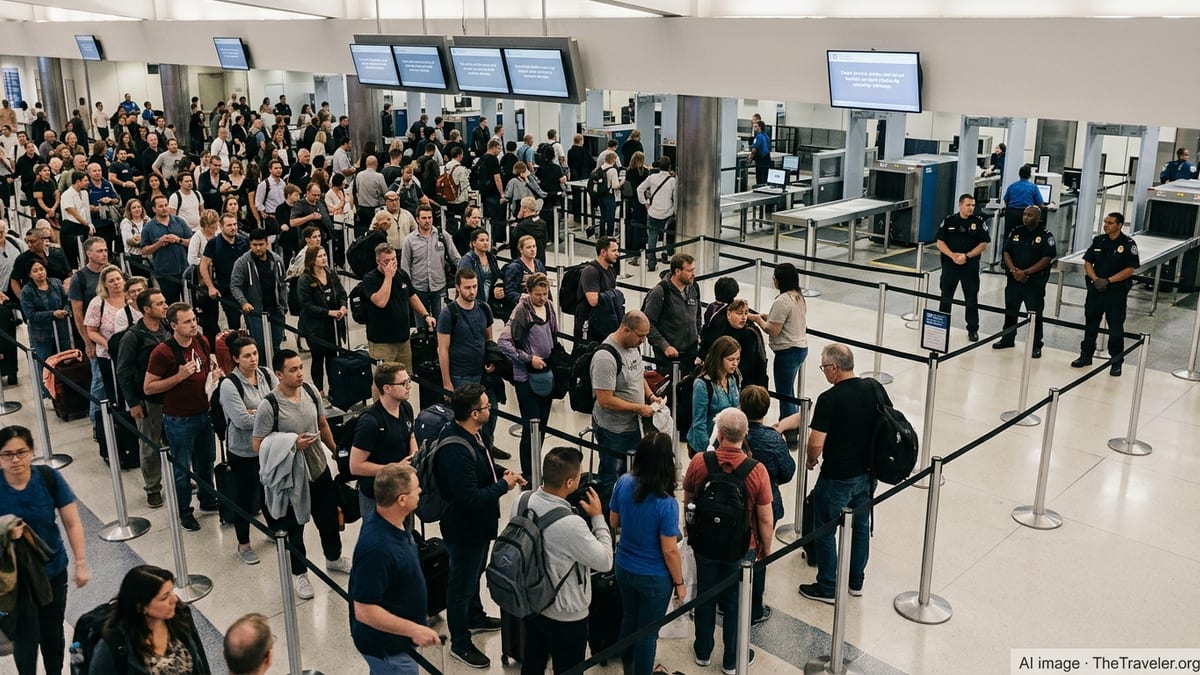
Industrial action targets ground handling at major hubs
Reports from Spanish and international media indicate that industrial disputes involving ground handling and aviation workers are intensifying during the peak summer period, with unions staging stoppages at airports that serve as gateways for millions of tourists. Recent actions have focused in particular on companies providing baggage handling, check-in support and aircraft turnaround services, functions that are critical to keeping departures running on time.
At several airports, unions representing handling staff have announced or carried out partial walkouts spread across multiple days rather than a single, all-out strike. This approach is designed to maintain pressure on employers over working conditions and pay while staying within legal minimum service requirements common in Spain’s essential transport sectors. The fragmented pattern, however, can make it harder for travelers to predict exactly when bottlenecks will occur.
Ground handling strikes do not necessarily shut down an airport, but even limited stoppages can cause knock-on delays. When baggage belts are slowed, aircraft turnaround takes longer, pushing departure slots back and forcing airlines to juggle schedules. In peak holiday season, when runways and air traffic slots are already heavily used, the system has less room to absorb such shocks.
Travel industry coverage notes that some unions have explicitly targeted weekends and changeover days favored by leisure travelers, arguing that employers are more likely to compromise when airlines and tour operators face intense customer pressure. As a result, passengers flying to Spanish beach destinations and island resorts on popular holiday dates are being singled out as the group most likely to feel the impact.
Record passenger traffic raises risk of long queues
Publicly available data from Aena, the state-controlled operator that manages Spain’s main airports, shows that passenger volumes in 2026 continue to run above last year’s levels, with tens of millions of travelers passing through the network each month. The busiest gateways, including Madrid Barajas, Barcelona El Prat, Palma de Mallorca and Malaga Costa del Sol, are already handling traffic close to or above pre-pandemic records during peak weeks.
Higher volumes mean that any disruption is magnified. Security checkpoints and check-in halls that operate smoothly under normal conditions can quickly become congested if even a small proportion of staff are unavailable or if baggage flows are interrupted by strike action. Queue times can then lengthen rapidly, spilling into car-park areas or connecting corridors and forcing airport managers to deploy additional crowd-control measures.
Some regional tourism offices and local media outlets have begun advising travelers to arrive at airports significantly earlier than usual, particularly for early-morning and late-evening departures when multiple flights can be scheduled within short time windows. Recommendations commonly mention at least three hours for short-haul flights and even more for long-haul services, especially when traveling with checked luggage.
Operators stress that many flights will still depart as planned, but they also warn that passengers who underestimate the impact of queues at security or bag drop could miss departures even when airlines are technically operating on schedule. For families traveling with children or larger groups, navigating crowded terminals can further increase the time needed before reaching the gate.
Tourists face patchwork of delays and cancellations
The pattern emerging across Spain is one of uneven disruption rather than a uniform shutdown. On some strike days, airports have reported relatively normal operations, with only minor delays and isolated issues at certain check-in desks. On others, social media and traveler forums have carried accounts of lengthy waits at security, delayed baggage delivery and last-minute gate changes caused by staff shortages.
The impact also varies from carrier to carrier. Airlines that rely heavily on specific ground handling contractors or that operate dense, back-to-back schedules from a single airport can be more vulnerable to ripple effects. When a delay early in the day pushes aircraft and crews out of position, subsequent flights may also depart late or be combined, leading to crowding at boarding gates and on board.
Published coverage indicates that some airlines have preemptively adjusted schedules or trimmed frequencies on routes where they anticipate operational strain. In a smaller number of cases, services have been canceled in advance, with passengers rebooked on alternative flights or offered refunds in line with European passenger protection rules. However, last-minute disruption caused by ongoing negotiations and rolling stoppages remains a possibility.
For travelers, the result is increased uncertainty. Many are being advised to monitor airline apps and airport information screens frequently on the day of travel, to watch for gate changes, revised departure times or aircraft substitutions. Tour operators are similarly urging clients to keep contact details up to date so they can receive text or email alerts about schedule changes.
What airlines and airports recommend passengers do now
In response to the heightened risk of congestion, airlines flying to and from Spain have published updated guidance aimed at helping passengers navigate busy terminals more smoothly. Common advice includes completing check-in online where possible, traveling with carry-on luggage only, and arriving at the airport considerably earlier than the minimum times normally suggested outside peak season.
Some carriers have highlighted the importance of clearing security and reaching the gate well before boarding formally begins, noting that last-minute arrivals may not be accommodated if flights are ready to depart. Travelers are also being reminded to allow extra time for passport control, particularly on flights between Spain and non-Schengen destinations where border checks are more intensive.
Airport operators, for their part, emphasize that they continue to coordinate with airlines, handling companies and public agencies responsible for security and border checks in order to manage passenger flows. At several busy hubs, additional staff have been deployed to direct travelers, manage queues and prioritize passengers whose flights are boarding imminently.
Publicly accessible passenger guidance for Spain’s airports also underlines that travelers experiencing major delays or cancellations stemming from strikes may have specific rights under European Union regulations, including potential refunds, rerouting and, in some circumstances, compensation. Passengers are encouraged to consult airline policies and official passenger rights information when seeking assistance.
How travelers can minimize disruption to their holiday plans
Consumer organizations and travel advisers suggest that, while individual passengers cannot control industrial disputes, they can take practical steps to reduce the risk of missed flights and lost holiday time. Booking flights earlier in the day, for example, can provide a wider window for rebooking if disruption occurs, while allowing extra time between flight arrivals and onward connections such as trains, ferries or domestic connections within Spain.
Travelers are also being urged to keep essential items, including medication, valuables and a change of clothes, in their cabin baggage in case checked luggage is delayed on arrival due to strike action. For those heading to island destinations or remote resorts, having a small buffer of supplies can make unexpected overnight stays or late arrivals easier to manage.
Another recurring recommendation is to review travel insurance policies before departure, paying close attention to how they treat strikes, cancellations and missed connections. Some policies may offer broader coverage for additional accommodation and transport costs than others, and travelers may wish to adjust their arrangements in light of the current environment.
With Spain remaining one of Europe’s most popular holiday destinations in 2026, the combination of record passenger volumes and industrial action at key airports presents a challenging backdrop for the peak summer season. Tourists who build extra flexibility into their itineraries, stay informed about evolving strike calendars and follow airline and airport guidance are likely to be best positioned to keep their trips on track despite the turbulence on the ground.