


More news on this day
SpiceJet is set to bolster its network ahead of India’s busy travel season by inducting three Airbus A320 aircraft on damp lease and returning a grounded Boeing 737 MAX to service, a move expected to improve flight capacity and reliability for both leisure and business travelers.
Get the latest news straight to your inbox!
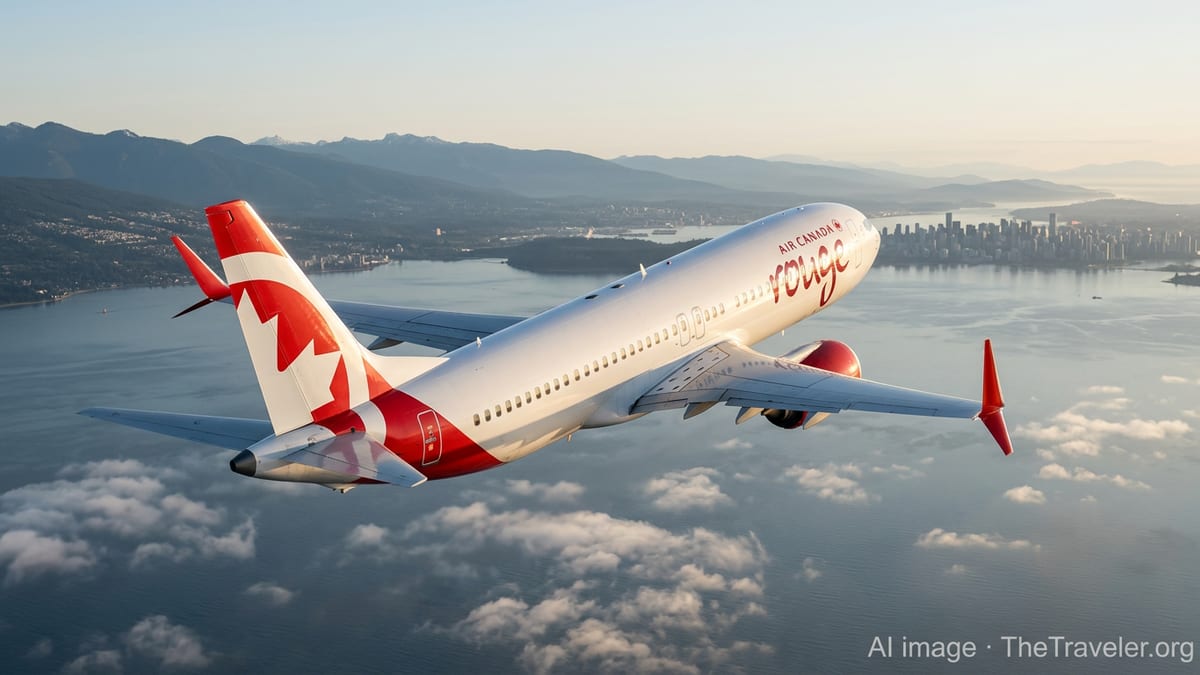
New Aircraft Additions Timed for Peak Travel Demand
According to published coverage in Indian business and aviation media, SpiceJet has finalized lease agreements to induct three Airbus A320 aircraft on a damp lease basis, with the jets scheduled to join the fleet in July 2026. The additions come as India’s domestic and short-haul international markets enter a high-demand phase driven by school holidays, festivals, and a rebound in corporate travel.
Reports indicate that the airline is pairing this lease-driven expansion with the return of a previously grounded Boeing 737 MAX to active commercial service. This twin-track approach of adding fresh capacity while restoring existing assets is being presented as part of a broader effort to stabilize schedules and reduce last-minute disruptions that have affected some routes in recent seasons.
For travelers, the timing is significant. Airlines across India typically face intense pressure on popular city pairs and key leisure routes during the mid-year holiday period, often resulting in fuller flights, higher fares, and limited last-minute options. Additional aircraft give carriers more flexibility to add frequencies or upgauge capacity, which can help ease bottlenecks on busy tourist and business corridors.
Industry analyses suggest that by moving early to secure extra lift for July and beyond, SpiceJet is aiming to position itself more competitively against larger rivals that have already embarked on multi-year fleet renewal and expansion programs.
What a Damp Lease Means for Passengers
The incoming Airbus A320s are being brought in on a damp lease arrangement rather than as owned or fully dry-leased aircraft. In a damp lease, the lessor typically provides the aircraft, cockpit crew, and maintenance support, while the lessee airline supplies cabin crew and operates the service under its own branding and commercial control.
For passengers, this structure generally means that the flight is sold and managed as a SpiceJet service, with check-in, boarding, and customer service handled by the Indian carrier, even if the aircraft and pilots belong to a partner. Cabin crew are drawn from the lessee airline, which can help maintain a more consistent onboard experience, including announcements, service style, and adherence to the carrier’s operating procedures.
Fleet information made publicly available by the airline and regulators indicates that damp leases have become a practical tool for Indian carriers navigating strong demand, supply-chain delays in new aircraft deliveries, and the financial constraints of outright purchases. They allow airlines to supplement capacity relatively quickly without committing to long-term ownership or large capital outlays.
While the specific cabin layouts of the leased A320s have not been detailed in public reports, travelers can typically expect a familiar single-aisle configuration with all-economy seating or a slim business-style front section, geared toward dense domestic and regional traffic. The aircraft type is widely used across Asia for routes of up to four hours, including many of India’s busiest city pairs.
Return of the Boeing 737 MAX and Reliability Prospects
Alongside the A320 inductions, SpiceJet has restored a Boeing 737 MAX to active service, adding back narrowbody capacity that had previously been grounded. Published coverage notes that the return of this aircraft is part of a phased effort to unground portions of the fleet and improve the ratio of active to parked jets after a period of operational and financial tightening.
The Boeing 737 MAX competes directly with the Airbus A320 family in the single-aisle market and is used extensively on high-density domestic and regional routes. For airlines, each additional narrowbody placed back into service increases the number of available seats and offers greater scheduling flexibility, especially on trunk routes that see strong corporate and visiting-friends-and-relatives traffic.
From a traveler’s perspective, more aircraft in active rotation can translate into fewer cancellations linked to limited spare capacity, as well as a better chance of being rebooked promptly if disruptions occur. Market observers have noted that SpiceJet, like several peers, has faced scrutiny in recent years over schedule reliability, with a shrunken operational fleet leaving less room to absorb unexpected maintenance events or weather-related disruptions.
Publicly available airline plans and analyst commentary suggest that bringing grounded aircraft like the 737 MAX back into operation is a key element of efforts to rebuild resilience. By combining reactivated jets with additional leased capacity, the carrier is attempting to create more headroom in its schedule and reduce strain on individual airframes.
Implications for Tourists and Business Travelers
The combined impact of the new A320 leases and the restored 737 MAX is expected to be most visible on routes that link major Indian metros with tourist hubs and key commercial centers. Increased seat capacity can help moderate fare spikes around popular travel dates, potentially benefiting families planning domestic holidays as well as inbound visitors combining business trips with leisure stays.
For business travelers, more frequencies and better aircraft availability can improve connection options and make same-day or short-notice travel more feasible. Corporations that rely on frequent flights between financial and technology hubs in India may find additional choices when booking, especially if capacity is deployed on sectors that have seen tight seat supply and load factors near or above pre-pandemic levels.
Travel agents and online booking platforms often view such capacity additions as an opportunity to promote bundled deals, combining flights with hotels and ground transport in high-demand leisure markets. With the new aircraft expected to enter service from July 2026, package providers may look to highlight increased availability during the latter half of the year, including India’s festival season when domestic tourism traditionally peaks.
However, analysts also caution that the benefits to travelers will depend on how consistently the added capacity is deployed and how well the airline manages operational discipline. Factors such as turnaround times, crew rostering, and maintenance planning will continue to influence day-to-day reliability, regardless of the headline fleet numbers.
SpiceJet’s Position in a Competitive Aviation Market
The move to induct additional A320s and bring a 737 MAX back into service comes at a time when India’s aviation market is seeing aggressive expansion from larger competitors. Full-service and low-cost rivals have placed substantial aircraft orders, launched new international routes, and invested heavily in product upgrades aimed at both premium and value-conscious segments.
Against this backdrop, publicly available financial and fleet data show that SpiceJet has been operating with a smaller active fleet than several of its peers, limiting its ability to grow network breadth and frequency. Leasing in extra aircraft on flexible terms allows the carrier to participate more actively in the demand upswing while it continues to work through its balance-sheet and fleet restructuring plans.
Industry commentators note that a more robust schedule can help an airline rebuild customer confidence, particularly if it is able to demonstrate improved on-time performance and fewer last-minute schedule changes. For tourists and business travelers weighing options in an increasingly crowded market, perceptions of reliability and availability are often as important as fare levels.
If the induction of the three Airbus A320s and the return of the Boeing 737 MAX are followed by sustained operational improvements, SpiceJet could strengthen its appeal on competitive domestic and regional routes. For now, the latest fleet moves mark a visible step toward shoring up capacity and giving travelers additional choices during one of the busiest periods in India’s travel calendar.