


More news on this day
Fresh operational disruptions on SpiceJet services from Kochi to the United Arab Emirates have left scores of Gulf-bound passengers stranded for days, exposing growing stress in India–Gulf low-cost connectivity at one of Kerala’s busiest gateways.
Get the latest news straight to your inbox!
Days-long waits after Kochi–UAE flights disrupted
Published reports from Kochi on September 1 describe passengers booked on SpiceJet flights to Fujairah and Dubai waiting in the city for up to five days after repeated cancellations and long delays. Travellers bound for work, medical appointments and family reunions in the United Arab Emirates reported a cycle of last-minute schedule changes that made it difficult to rebook or plan onward journeys.
Coverage from local outlets indicates that several Kochi–Fujairah departures in the final week of August were either cancelled outright or postponed by many hours, with some services reportedly pushed from morning to late night. On certain days, passengers who had cleared security were asked to leave the boarding area after learning that their flight would not depart as planned.
Disruption has also been reported on the Kochi–Dubai route, a key corridor for Kerala’s large expatriate workforce. Publicly available tracking data show recent irregular operations on SpiceJet services between Cochin International Airport and Dubai, with flights marked by uncertainty around departure times or status.
The resulting backlog has turned Cochin International Airport into an unexpected holding point for many UAE-bound travellers. Some have stayed with relatives in the region to avoid overnight airport waits, while others opted to remain landside until receiving clearer information on revised departures.
Scenes of anger at Kerala airports as frustration boils over
The latest Kochi disruptions follow similar turbulence at other airports in Kerala. On August 19, passengers at Kozhikode airport staged protests after a SpiceJet service to Dubai was cancelled, adding to frustration over what travellers described as inadequate advance notice and unclear guidance on alternatives. Subsequent Malayalam-language reports from August 31 pointed to passenger demonstrations at Kochi as well, focused on the cancellation of a Fujairah service and delays to a Dubai flight.
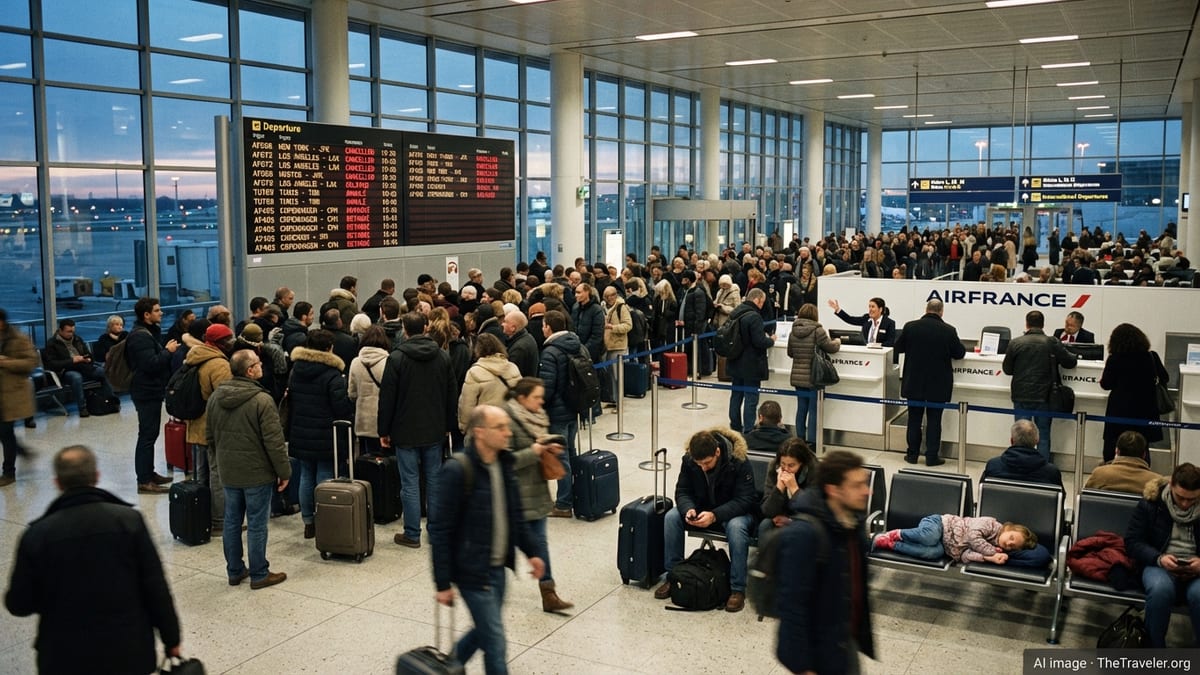
Images and descriptions in regional media portray crowds gathering near airline counters, with some passengers holding up tickets and travel documents as they sought clarity on when they might be able to reach the Gulf. Several accounts highlight the particular vulnerability of travellers who had arranged time-sensitive trips, including work permit holders needing to return before visa deadlines or contract start dates.
The tension has been amplified by the nature of travel between Kerala and the UAE. Routes from Kochi, Kozhikode and other airports in the state are heavily used by migrant workers, small business owners and families on limited budgets. When services are disrupted, many have little financial cushion to absorb repeated hotel stays, local transport costs or last-minute tickets on competing airlines.
Observers note that Kerala’s aviation market is especially sensitive to shocks because of its dependence on a few high-demand Gulf destinations. Even short-lived operational issues on a single carrier can quickly spill over into visible airport congestion and public protest when they coincide with busy travel periods.
Financial strain on SpiceJet raises questions over reliability
The passenger chaos in Kochi comes amid ongoing scrutiny of SpiceJet’s financial position and its ability to sustain a stable schedule. Recent English-language coverage from Kerala points to the airline’s mounting liabilities and constrained fleet size as key factors behind a pattern of disruptions, with reports indicating that the carrier has been operating with a much smaller aircraft count than in previous years.
Analyses of the airline sector in India suggest that carriers under financial pressure often struggle to maintain operational resilience, especially on thinner international routes where spare capacity is limited. When one aircraft goes out of rotation because of maintenance, regulatory checks or payment issues with lessors, knock-on effects can cascade across the network and hit routes like Kochi–Fujairah or Kochi–Dubai.
Publicly available regulatory and corporate filings show that SpiceJet has spent recent years in restructuring talks with creditors while also seeking new funding. Aviation observers argue that while such efforts may stabilise the airline in the medium term, they can also coincide with belt-tightening that affects on-time performance and schedule reliability.
In the context of Kochi’s latest disruptions, this broader financial picture has renewed debate among travellers and consumer advocates over how much risk price-sensitive passengers should bear when choosing between carriers. The current incident is likely to fuel calls for closer monitoring of schedule integrity on international routes that serve large communities of migrant workers.
Stranded passengers juggle visas, leave and rising fares
Across the latest Kochi–UAE disruptions, passengers have reported a complex tangle of practical problems extending far beyond the airport terminal. Some Gulf-bound travellers described fears of overstaying Indian exit windows or missing deadlines attached to UAE residency permits and job offers, as each day of delay eroded the margin built into their travel plans.
Others faced the prospect of unpaid leave from employers in the UAE, or worries that prolonged absence might jeopardise their positions. For many blue-collar workers and domestic staff, a missed joining date can mean months of lost income, magnifying the financial impact of a cancelled or heavily delayed flight.
Rebooking has also proved costly. Coverage of the Kochi disruptions notes that last-minute one-way tickets on other airlines to Dubai and nearby Emirates can be significantly more expensive than advance-purchase SpiceJet fares, leaving stranded passengers to choose between absorbing steep new costs or waiting in the hope that their original carrier will operate the sector.
In some cases, families have been split across borders, with relatives in the UAE paying for accommodation and daily expenses while their loved ones remain stuck in Kerala. The uncertainty around new departure times has made it difficult for passengers to decide whether to commit to alternative flights or continue to press for carriage on their original tickets.
Key Gulf gateway under pressure as demand outstrips resilience
Cochin International Airport is widely recognised as one of India’s busiest gateways for international traffic, with a significant share of its departures bound for Gulf destinations such as Dubai, Abu Dhabi, Sharjah and other Emirates. Data compiled by aviation references show that multiple airlines connect Kochi to Dubai alone, underlining the depth of demand generated by Kerala’s overseas workforce and diaspora.
This heavy reliance on Gulf routes means that any instability on a single carrier’s services resonates widely. When disruptions affect Kochi–UAE flights operated by a low-cost airline such as SpiceJet, travellers often discover that alternative options exist but may be unaffordable at short notice, especially during peak seasons when load factors are already high.
The latest wave of cancellations and delays has prompted renewed attention to consumer rights frameworks that govern international air travel from India. Online travel rights portals highlight that passengers on cancelled or significantly delayed flights on routes like Kochi–Dubai may, in some circumstances, be eligible for compensation or assistance, depending on the applicable jurisdiction and ticket conditions.
For now, however, the immediate reality for many affected Kochi passengers is a waiting game. As regional media continue to document scenes of frustration at Kerala’s airports, the situation has turned into a test case for how India’s aviation ecosystem copes when a financially stressed carrier struggles to maintain reliable links along one of the country’s most vital labour and family corridors.
SpiceJet passengers in Kochi heading to Fujairah, Dubai stranded
Passenger protest after Kochi–Fujairah flight disruption