


On paper, the Stockholm archipelago looks simple: hop on a boat, pick an island, spend the day by the Baltic Sea. In reality, many first-time visitors run into problems with sold-out boats, closed restaurants, chilly winds and missed last ferries. With more than 30,000 islands stretching from Vaxholm to Sandhamn and Utö, the choices can be overwhelming. Understanding how locals actually use the archipelago will save you money, time and stress long before you step onto the jetty.
Get the latest updates straight to your inbox!
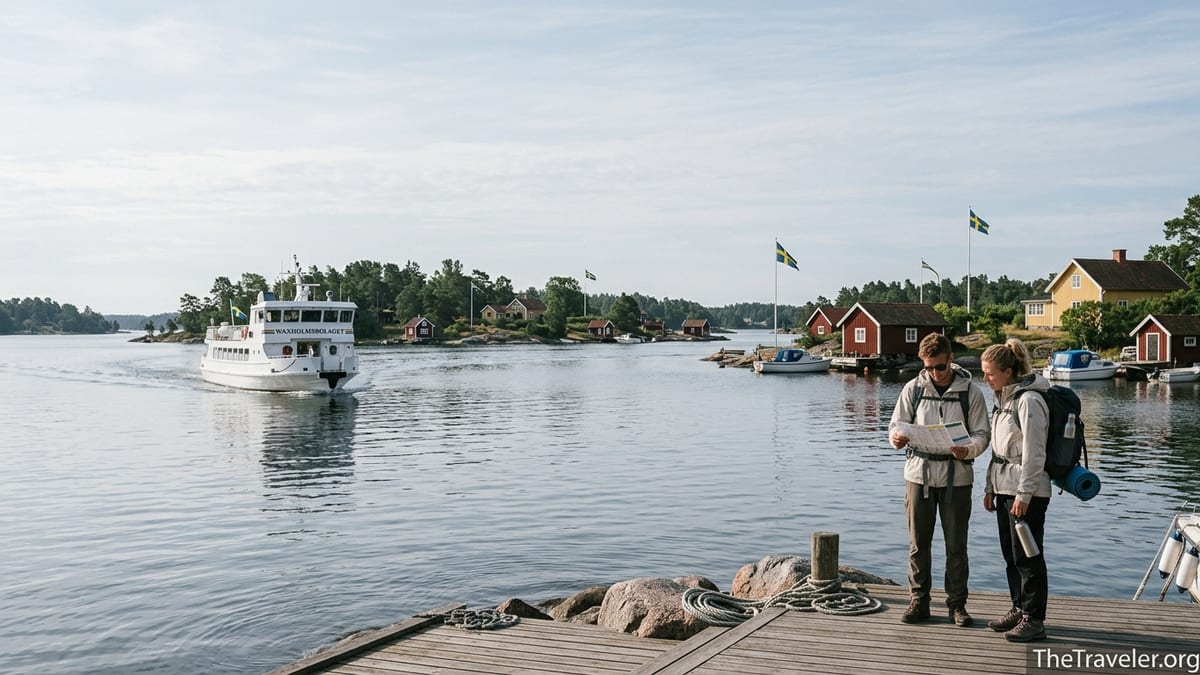
Underestimating Distances and Ferry Times
One of the biggest mistakes visitors make is treating the archipelago as if it were an inner-city canal. On a map, Vaxholm, Grinda and Sandhamn all look close to Stockholm’s center, yet the journey times vary dramatically. A commuter ferry from central Stockholm to Vaxholm can take around 45–60 minutes, while a summer boat to Sandhamn typically takes 2 to 2.5 hours each way. Travelers who book a 19.00 dinner back in the city after a full day planned in Sandhamn often realize too late that the last practical return boat left around late afternoon.
A common scenario plays out in July: a couple staying near Gamla Stan buys a generous breakfast, strolls to the quay at Strömkajen at 10.00 and expects to reach Grinda before lunch. The next available Waxholmsbolaget boat is already full, and the following departure does not reach the island until mid-afternoon, cutting their beach time to just an hour or two. They have technically “been” to the archipelago, but the experience feels rushed. Checking departure and arrival times for specific islands a day or two ahead, and building a margin of at least one boat earlier than you think you need, turns that same day into a relaxed escape instead of a race against the timetable.
Travelers also underestimate how long it takes to move between islands. On a still day, it seems logical to visit Vaxholm for lunch, hop over to Grinda for a swim, then continue to another island for sunset. In practice, the boat schedules often radiate back to Stockholm rather than directly between smaller islands. That means you might have to return partway toward the city to change boats, losing hours in transit. For most visitors with only a day or two, choosing one main island, possibly with a stop in Vaxholm on the way, is more rewarding than chasing three different jetties.
Finally, weather and sea conditions can slow down or reroute boats. On windy August days, outer-archipelago routes are sometimes adjusted, extended or canceled, which can add unexpected time or an extra change to what looked like a straightforward crossing on the printed timetable. Keeping plans flexible and avoiding tight restaurant reservations or airport departures right after an island day will reduce the stress if schedules shift.
Picking the Wrong Island for Your Travel Style
Another frequent mistake is choosing an island purely based on a pretty photo rather than on how you like to travel. Vaxholm, often called the gateway to the archipelago, feels like a small coastal town with cafes, an old fortress and colorful wooden villas. It works well if you want an easy half-day outing or are traveling with someone who prefers paved streets and galleries to rocky paths. On the other hand, visitors expecting wild nature and secluded coves in Vaxholm can be disappointed that it feels more like an extension of Stockholm than a remote island.
Grinda is a classic summer favorite, with car-free paths, pine forest and smooth granite slabs sliding into the water. It suits families and couples who want simple swims, short walks and maybe lunch at Grinda Wärdshus or a picnic from the small shop. First-time visitors sometimes arrive expecting resort-style entertainment and nightlife, only to discover that evenings are quiet and the last boat back to the city may leave earlier than they imagined. If you thrive on music bars and buzzing marinas, an island like Sandhamn in high season may be a better fit.
Sandhamn itself can be another mismatch when expectations are off. In July, the harbor can be packed with sailboats, regatta spectators and weekenders from Stockholm. For some, this is exactly the charm: people-watching from a café terrace, renting bikes to ride across to the sandy beaches on the outer side, and joining a late dinner at a harborside restaurant. For travelers imagining empty beaches and total quiet, that same scene can feel crowded and commercial. In that case, a softer-paced island such as Svartsö, Utö outside peak weekends, or smaller spots served by Waxholmsbolaget might be preferable.
Think carefully about what “ideal archipelago” means to you. If you are traveling with children and strollers, a relatively flat island with clear paths and services close to the jetty will make your day easier. If you love long hikes, you might value islands with signed trails and varied terrain, such as Utö or Nämdö, over compact outcrops near the city. Reading a recent description of facilities, not just a postcard-style summary, helps match an island to your own style rather than someone else’s fantasy.
Misreading Sweden’s Seasons and Service Levels
The Baltic Sea setting makes the archipelago feel like a classic summer destination, but the service levels change sharply across the year. A typical mistake is booking a May or late September trip expecting the full menu of beachfront cafés, kayak rentals and lively guest harbors that appear in July photos. In reality, many island restaurants, hostels and shops only open fully from roughly late June to mid-August, with reduced hours in shoulder months. Visitors who arrive on a sunny May Saturday to find the island inn serving only coffee and cake, or the kayak hut closed entirely, often wish they had brought more picnic supplies.
Weather expectations can also mislead. Summer in Stockholm is pleasant, but the sea air keeps the archipelago noticeably cooler than the city. On a 24°C afternoon in central Stockholm, it can feel closer to 19–20°C on an exposed jetty in Vaxholm, with a brisk breeze. Travelers in shorts and light t-shirts step off the boat at Grinda in early June and find themselves shivering on the north side of the island. Having a light windproof jacket, a warmer layer and socks for the journey home makes a big difference, particularly on evening boats when the sun drops behind the forested islands.
Another seasonal trap is the Swedish holiday calendar. During Midsummer weekend in late June, for example, ferries can be extremely busy, and island accommodations book out months in advance. At the same time, normal city routines pause, and even some boat departures may operate on special schedules. A traveler who treats Midsummer as an ordinary summer weekend may struggle to secure seats on a mid-morning boat or a table for lunch. Conversely, visiting on an ordinary weekday in early July can feel far more relaxed than visitors fear, especially if you avoid the latest-morning departures that large tour groups also favor.
Winter and early spring present a completely different set of expectations. Some hardy visitors imagine stepping from an inner-city pier straight into a snowy, silent island landscape. In practice, ice conditions, reduced boat frequencies and long dark evenings mean you must plan carefully and check which routes actually operate. For most first-time visitors, the archipelago is at its most accessible and forgiving from about late June through early September. Outside that window, the experience can be beautiful but demands more research and warmer clothing than the average summer traveler anticipates.
Misunderstanding Tickets, Costs and Cashless Payments
Stockholm’s transport system is generally straightforward, yet visitors often misunderstand how tickets and payments work across buses, metro and boats. Storstockholms Lokaltrafik, usually shortened to SL, runs most land-based public transport in the region, and several commuter boat lines inside the city are included in regular SL tickets and passes. However, many of the classic archipelago ferries that reach islands like Grinda and Sandhamn are operated by Waxholmsbolaget or private companies, and those require separate tickets or specific travel cards. Travelers who assume their 72-hour SL pass covers every boat to every island sometimes end up paying unexpected extra fares at the quay.
Another recurring mistake involves Sweden’s largely cashless economy. In the Stockholm region, ferries, kiosks, restaurants and cafés overwhelmingly prefer card or contactless payments, and some no longer accept cash at all. Visitors who withdraw several hundred Swedish kronor before boarding, intending to pay boat tickets and island lunches with banknotes, discover that their money is effectively useless for much of the trip. It is far more practical to rely on a major credit or debit card and carry only a small amount of cash for rare exceptions.
Costs inside the archipelago can also surprise. A cappuccino at a café looking over the water in Vaxholm often costs more than the same drink in a residential neighborhood of Stockholm. A simple lunch of grilled fish or a burger on a tourist-favorite island can easily approach big-city restaurant prices, especially in July. First-time visitors who budget assuming “simple islands equal low prices” may feel caught off guard. Treat island cafes and inns as premium experiences in terms of pricing, not budget options, and you will be pleasantly surprised if you find something cheaper rather than shocked when the bill arrives.
To avoid confusion, decide early whether you will mostly use SL commuter boats within the inner city, or whether your trip will rely heavily on Waxholmsbolaget and other archipelago lines. Check their current websites or information boards for up-to-date ticket ranges and roughly calculate what a round trip to your chosen island will cost. This small bit of preparation prevents awkward moments at the ticket window and helps you choose between, for example, a longer all-day journey to an outer island versus a series of shorter, cheaper hops closer to the city.
Packing for a Beach Holiday Instead of a Nordic Coast
Photos of smooth rock slabs, clear water and people sunbathing on Grinda or Utö encourage travelers to pack as if they were heading to the Mediterranean. The reality of a Nordic coast is different. While you might enjoy a warm swim in July or August, the water remains cool, and the combination of wind and cloud cover can make even a 21°C day feel brisk. Visitors who arrive in flip-flops, light cotton dresses and no spare layers often end up buying extra hoodies or blankets at island shops, if they are open, just to stay comfortable on the return boat.
Footwear is another common miscalculation. Many islands have uneven paths with roots, granite ridges and occasional muddy sections. A pair of casual trainers or light hiking shoes is usually enough, but thin-soled sandals struggle on wet rocks and make walking across pine forest less enjoyable. On Vaxholm’s paved streets you might get away with almost any shoe, but once you start exploring more natural islands, you will appreciate traction and some support.
Sun and wind protection also matter more than many visitors expect. The Scandinavian sun feels gentle, yet its reflection from water and pale rock quickly intensifies its impact. Travelers who spend a long July afternoon on the top deck of a boat and then a few more hours on a bare granite outcrop often notice their arms and nose turning red despite the relatively mild air temperature. A hat, sunglasses and sunscreen, along with a compact quick-dry towel and a swimsuit if you think you might be tempted by the water, will give you options without overloading your daypack.
Finally, pack as though services might not align perfectly with your appetite or schedule. Take a refillable water bottle, a couple of snacks such as fruit or crackers, and perhaps a simple picnic lunch if you are heading to a smaller island. Many visitors assume that every jetty is backed by a café, when in fact some islands have limited or highly seasonal services. Even on well-developed islands, restaurants can close between lunch and dinner, or be fully booked in the evening. Having something to eat in your bag can transform an unexpected wait for the next boat from an inconvenience into a pleasant extra hour by the sea.
Overplanning or Underplanning the Day
First-time visitors often fall into one of two extremes: they either try to tick off as many islands and activities as possible, or they step onto a boat with no plan beyond “see what happens.” Both approaches can lead to frustration. Overplanners cram itineraries with tight ferry connections, specific hiking routes and back-to-back restaurant bookings. A minor delay, a sudden shower or a changed departure time then derails the entire plan. Underplanners, meanwhile, may spend too long deciding what to do only after arriving on the island, miss the best swimming spots because they did not check a simple map, or discover that the only boat back to the city they can realistically catch leaves hours earlier than they expected.
A balanced approach works best. Decide on a single core goal for the day, such as “have a long swim and picnic lunch on Grinda” or “walk across Utö and rent bikes in the afternoon.” Look at a map of the island before you go to understand the distance between the jetty, the main beach, the inn and any viewpoints. Then check the boat times that sensibly connect those points without forcing you to rush. For example, taking a mid-morning departure that arrives around lunchtime, and a late-afternoon boat back, usually gives enough time for a relaxed walk, a swim and a simple meal.
Reservations are worth considering, but use them strategically. In high summer, popular restaurants such as waterfront inns in Vaxholm or Grinda can be fully booked on sunny Saturdays. Securing a lunch table can be smart if eating there is a priority. However, booking a rigid schedule of activities from the city, such as back-to-back guided tours, kayak rentals and a specific sunset boat, can lock you into a stressful timeline. Instead, treat pre-booked elements as anchors in your day with generous gaps between them. If a sudden rain shower passes over Sandhamn while you are waiting for a late lunch, you will be glad you do not also need to sprint for a narrowly timed return departure.
Communication is another often-overlooked element of planning. Not every island offers strong mobile coverage everywhere, and some small guesthouses and hostels prefer email or phone reservations well in advance. Travelers who assume they can simply message for a last-minute room from the boat sometimes find that signal cuts out or that accommodation is already fully booked. If you are even considering staying overnight, secure the room before you leave Stockholm, and treat a lack of response from an island business as a reason to follow up or choose a different spot rather than as a sign everything is automatically confirmed.
Ignoring Local Etiquette and the Natural Environment
The Stockholm archipelago is not a theme park, but a living coastal region where people reside year-round and sensitive ecosystems share space with visitors. A frequent misstep is treating every rocky shore as an unrestricted picnic ground. While Sweden’s Right of Public Access gives broad freedom to roam, it comes with responsibilities. Lighting disposable barbecues directly on smooth rock, leaving bottle caps and cigarette butts behind, or camping too close to private houses is frowned upon and, in some areas, prohibited. Locals are patient, but repeated misbehavior can quickly sour the atmosphere on small islands.
Noise is another overlooked point of etiquette. On warm summer evenings, it is tempting for groups of friends to bring small speakers and play music on an otherwise quiet beach or jetty. Yet many Swedes come to the archipelago precisely for silence and the sound of waves and seabirds. Loud music late at night, especially near guesthouses or cottages, can disturb both residents and other travelers staying nearby. A pair of headphones or the decision to keep music at a low background level respects that shared environment.
Practical environmental concerns also matter. Toilet facilities may be limited, particularly on less developed islands or smaller beaches. Visitors who assume they can simply “go into the bushes” without considering proximity to houses, trails or the shoreline can cause both hygiene problems and tension with locals. When facilities do exist, such as composting toilets near popular swimming spots, using them even if they require a short walk is part of traveling responsibly.
Finally, remember that wildlife in the archipelago is directly affected by human behavior. Feeding bread or leftovers to seabirds near harbors encourages aggressive gulls that then steal food from outdoor tables, as many visitors in places like Vaxholm quickly discover. Leaving food waste or open bags unattended on jetties invites birds and sometimes other animals to scatter rubbish. Simple habits such as packing out all trash, securing picnic ingredients when you step away and keeping a respectful distance from nesting areas help preserve the character of the islands for future visitors.
The Takeaway
The Stockholm archipelago rewards visitors who treat it not as a quick scenic detour but as a place with its own rhythms, limitations and quiet joys. The most common mistakes, from underestimating ferry times to packing only for warm sunshine, stem from assuming it functions like a compact urban attraction. Once you recognize that it is a sprawling coastal region with varied islands, changing seasons and a local way of life, your plans naturally become more realistic.
Choose an island that suits your travel style, build your day around one or two clear priorities, and give yourself generous margins around boats and meals. Pack layers, good shoes and a bit more food and water than you think you need, and lean into the slower pace once you step off the boat. Most of all, observe how locals behave on jetties, trails and beaches, and follow their lead. Do that, and your first visit to the Stockholm archipelago will feel less like a checklist and more like a genuine taste of coastal Sweden.
FAQ
Q1. Can I visit the Stockholm archipelago as a half-day trip from the city?
Yes, but choose closer destinations such as Vaxholm or Fjäderholmarna, which can be reached in under an hour by boat and still leave time for a walk and a meal.
Q2. Do I need to book ferry tickets in advance?
For popular summer departures and tourist-oriented boats, advance booking is wise, while some commuter-style services sell tickets on the day. Always check the current advice for your chosen route.
Q3. Is my SL public transport pass valid on all archipelago boats?
No. SL tickets cover certain commuter ferries mainly within the inner city. Many archipelago routes to islands like Grinda and Sandhamn require separate tickets from other operators.
Q4. When is the best time of year to visit the Stockholm archipelago?
For most first-time visitors, late June to early September offers the best combination of frequent boats, open restaurants and relatively warm weather, especially for swimming.
Q5. Can I pay with cash on the boats and islands?
In many cases, no. The region is highly cashless, and most ferries, cafés and shops prefer or only accept card and contactless payments.
Q6. Is it possible to visit more than one island in a single day?
It is possible on certain routes, such as combining Vaxholm with another nearby island, but you should study the boat schedule carefully to avoid spending most of the day in transit.
Q7. Do I need special hiking gear for the islands?
Not usually. Sturdy trainers or light hiking shoes, a small daypack and layered clothing are enough for most marked trails and coastal paths in summer.
Q8. Are there vegetarian or vegan options on the islands?
Larger and more popular islands often have at least a few vegetarian dishes, but dedicated vegan options can be limited, so bringing snacks or a simple picnic is sensible.
Q9. Can I swim everywhere in the archipelago?
Swimming is widely allowed, but for safety and comfort it is best to use established bathing spots, jetties or beaches, and to be cautious of boat traffic and slippery rocks.
Q10. Is it safe to visit the archipelago with children?
Yes, many families visit in summer. Choose islands with gentle paths, easy access to facilities and safe bathing areas, and keep a close watch near jetties and the water.