


More news on this day
Argentina’s path to the World Cup final took an unexpected twist when severe weather across the United States Northeast delayed Lionel Messi and his teammates’ flight to the New York metropolitan area, briefly throwing the team’s finely tuned preparations into uncertainty.
Get the latest news straight to your inbox!
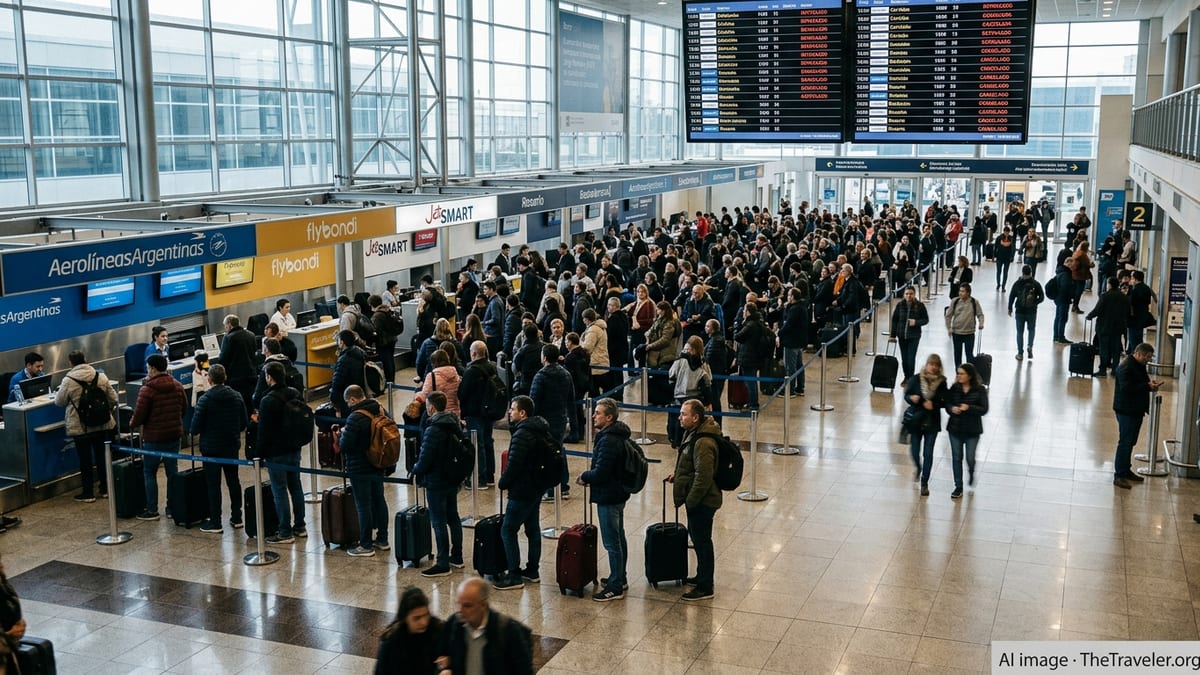
Severe Storms Disrupt Route to New Jersey
Reports from Argentine and international media indicate that Argentina’s national team encountered significant travel disruption as it attempted to fly to the New York and New Jersey region ahead of the World Cup final against Spain. A line of strong storms sweeping across parts of the eastern United States forced changes to the team’s flight plan, delaying departure and extending time on the ground.
Coverage in Argentine outlets describes a journey marked by weather alerts and air traffic restrictions rather than the smooth, tightly scheduled transfer normally associated with a World Cup showpiece. Instead of a routine hop toward the final venue, the squad’s travel day became a waiting game in airports and on the tarmac while conditions improved enough for the flight to proceed safely.
According to publicly available information, the adverse weather combined heavy rain, strong winds and electrical activity, prompting air traffic control to slow or temporarily halt movements in parts of the busy northeastern corridor. The team’s plane was not immune to those constraints, leading to arrival in the New Jersey area later than initially planned.
Despite the setback, Argentina ultimately completed the journey and reached its base near the host stadium, but with a reduced window to adapt to the local conditions and finalize preparations for the final.
Compressed Schedule Before Meeting Spain
The delay has immediate implications for Argentina’s carefully mapped schedule in the days leading up to the decisive match. Training sessions, recovery work and tactical meetings are typically calibrated to the hour at this stage of a tournament, and reports suggest those plans required rapid adjustment once the extent of the disruption became clear.
Published coverage indicates that certain on-field activities were shortened or reshuffled, with an emphasis on light work designed to help players loosen up after extended travel rather than heavy tactical drills. The staff’s priority appears to have been safeguarding fitness and avoiding fatigue while still giving Messi and his teammates time to reacquaint themselves with the ball and the pitch.
There is also a logistical dimension. Medical routines, media obligations and internal technical meetings are usually stacked tightly around training. A late arrival compresses that timetable, heightening the challenge of maintaining focus and routine in what is already a high-pressure environment.
Even so, Argentina has extensive experience navigating such complications after years of long-haul travel across continents for major tournaments and qualifiers, and the group is widely perceived as accustomed to adapting quickly to changing circumstances.
Messi Faces Yet Another Test of Resilience
For Lionel Messi, the travel disruption represents another test of resilience in what has been a demanding World Cup run. The captain arrives at the final as the focal point of Argentina’s play and the emotional reference for a squad that has repeatedly responded to adversity on the field throughout this tournament.
Analysts note that Messi’s routines around rest, recovery and preparation are particularly important at this stage of his career. A delayed flight, extended sitting time and a compressed schedule are not ideal conditions for a player expected to cover key spaces, create chances and influence tempo against an energetic Spanish side.
At the same time, publicly available commentary in Argentina highlights how often Messi has thrived in difficult contexts, from intense knockout matches earlier in this World Cup to high-stakes finals in previous years. The sense among supporters is that, while the situation is far from perfect, the veteran forward’s experience and composure could help the squad absorb the inconvenience.
Social and traditional media coverage across Argentina reflects a mix of concern over the disruption and confidence that the team’s star can once again anchor the response to an unexpected twist.
Weather Adds Another Layer to a Tense Host City
The delay to Argentina’s arrival is part of a broader pattern of unsettled conditions around the final. The greater New York and New Jersey area has recently experienced volatile weather, with heavy rain, localized flooding and air quality alerts reported in the days leading up to the match. That instability has affected not only teams but also supporters traveling from across the world.
Reports from local and international outlets describe the host city juggling preparations for one of global football’s marquee events while monitoring changing forecasts, from potential thunderstorms to lingering concerns about haze and humidity. Training schedules, fan events and stadium walk-throughs have all required contingency planning.
Within that context, Argentina’s delayed flight underlines how closely this World Cup final is tied to the elements. The storms that slowed Messi and his teammates are part of the same broader system that has shaped transport, event logistics and even discussions about kickoff conditions.
For organizers and teams alike, the weather has become another variable to manage alongside security, ticketing and the sheer scale of demand for one of the sport’s most coveted fixtures.
Fans Ride a Wave of Anxiety and Anticipation
While the squad dealt with the practical realities of flight delays and revised schedules, Argentina’s supporters faced their own anxieties. Media coverage from Buenos Aires and from fans already in the United States describes a community closely tracking flight information, social media updates and television reports, eager for confirmation that Messi and company had reached their destination.
Many fans invested heavily to follow Argentina through this World Cup cycle, and reports highlight the emotional and financial stakes for those who have crossed continents in hopes of witnessing a potentially historic final appearance. Any hint of disruption to the team’s preparation is amplified through that lens, feeding pre-match tension.
At the same time, the travel setback has added to a narrative that many followers in Argentina find familiar: a national team that often seems to encounter obstacles on and off the pitch yet repeatedly finds a way to stay in contention. For supporters, the storms that delayed the flight are already being woven into the broader story of a campaign that has demanded patience, belief and stamina from players and fans alike.
As kickoff approaches, the focus now shifts from radar maps and flight paths back to the pitch, where Messi and Argentina will attempt to transform a turbulent arrival into one more chapter in their pursuit of football’s most prized trophy.