


More news on this day
Severe weather across large parts of the United States is disrupting Thanksgiving Day travel, with heavy rain, strong winds, flooding and snow triggering flight delays and cancellations just as tens of millions of people make last‑minute journeys by air and road.
Get the latest news straight to your inbox!
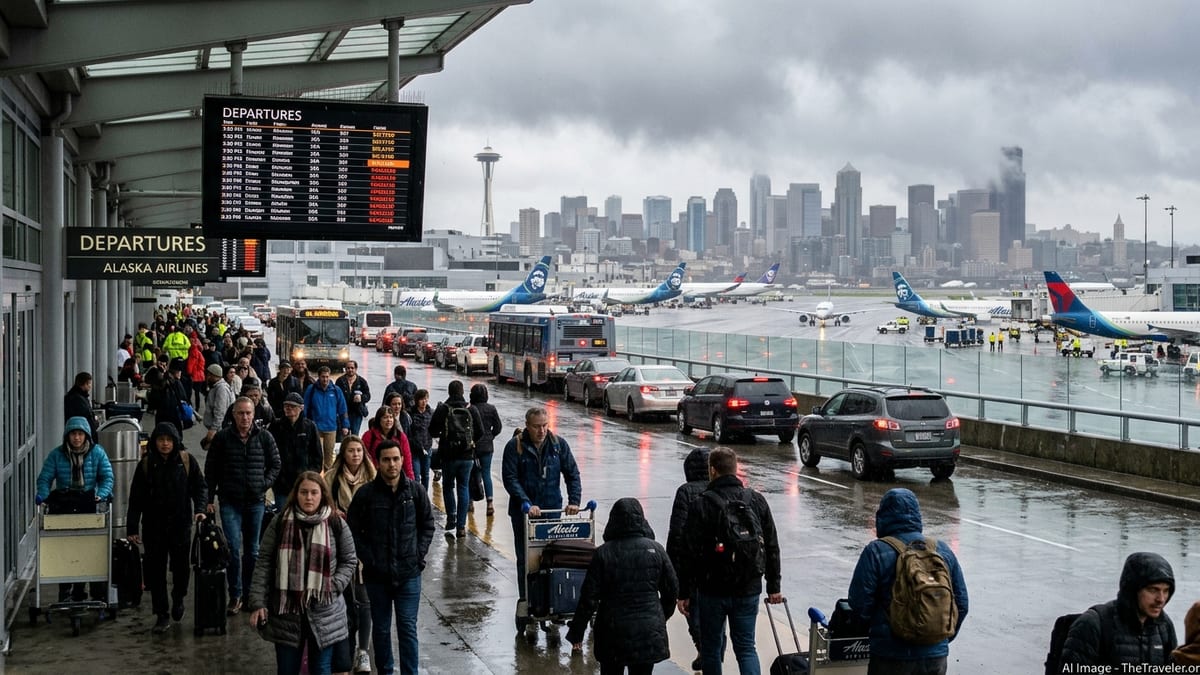
Storm system batters coasts and heartland
A sprawling storm system that began affecting travel in the run-up to Thanksgiving is now plaguing much of the country, particularly the East and West Coasts. Forecasters report heavy rain and gusty winds along the Eastern Seaboard on Thursday, reducing visibility and creating rough conditions for flights into major hubs from Boston to Washington, D.C. The National Weather Service has warned of strong crosswinds, turbulence and potential aircraft icing that could slow operations at some of the country’s busiest airports through Friday morning.
Along the West Coast, periods of heavy rain are combining with high tides to produce coastal flooding in low-lying areas, especially in parts of California and the Pacific Northwest. That flooding is affecting some key highway corridors and could lead to short-notice road closures or detours in places prone to mudslides or standing water. Forecasters say the wet pattern is likely to persist through at least part of the long weekend, although conditions should gradually improve in many locations after the holiday itself.
In the Midwest and higher elevations of the interior West, the same system is bringing snow and mixed precipitation to portions of the Great Lakes, the northern Plains and parts of the Rockies. Accumulating snow is making conditions challenging on stretches of interstate routes, particularly where temperatures hover near freezing and ice can form. Winter weather advisories in some of these regions are valid through Thursday night, and travelers are being urged to monitor local forecasts closely before setting out.
Airports grapple with holiday delays and cancellations
At U.S. airports, airlines and passengers are already feeling the impact of the storm. Data from flight-tracking services on Thursday morning show hundreds of delays and scores of cancellations nationwide, with disruptions spread across both coastal and inland hubs. Major airports including New York-area facilities, Atlanta, Chicago, Miami, Los Angeles and San Francisco are all reporting weather-related schedule changes as carriers slow arrivals and departures when conditions deteriorate.
In Florida, for example, midweek disruptions ahead of the holiday left Miami and Fort Lauderdale with several hundred delayed flights between them, and residual delays are still affecting some Thanksgiving Day operations. On the West Coast, Los Angeles International has recorded a smaller but noticeable number of late and canceled flights early Thursday as airlines navigate bands of rain and shifting winds. In many cases, airlines are building in longer spacing between aircraft for safety reasons, which reduces overall capacity and can quickly ripple through route networks.
While Thursday itself is not typically the single busiest flying day of the Thanksgiving period, it comes after several heavy travel days when schedules are already tight. That means even modest disruptions can leave few open seats for rebooking. Airline websites and apps show limited same-day alternatives on popular domestic routes, particularly on the evening of Thanksgiving and the Friday that follows, making it more difficult for stranded travelers to reach their destinations in time for holiday gatherings.
Record screening volumes after recent tech turmoil
This year’s weather-related headaches are colliding with an exceptionally busy travel season. AAA projects that about 81.5 million Americans will travel at least 50 miles from home between Tuesday, November 24 and Monday, November 30, 2026, a figure only fractionally below last year’s record. Of those, roughly 72.9 million are expected to drive and close to 6 million are forecast to fly on domestic routes. That combination leaves both highways and airports crowded despite the slight dip from 2025.
The Transportation Security Administration has prepared for what officials describe as one of the heaviest Thanksgiving screening periods since before the pandemic. Based on federal forecasts and historical patterns, TSA expects to process more than 17 million passengers at airport checkpoints over the core holiday week, with peak days clustered from the Tuesday before Thanksgiving through the Sunday after. Early data from major hubs show checkpoint lines stretching across some terminal concourses at morning and late afternoon peaks, particularly where bad weather has led to waves of delayed departures.
Travelers’ nerves have also been frayed by a series of technology outages and operational disruptions in recent weeks. A nationwide Federal Aviation Administration ground stop earlier in November briefly halted departures at multiple airports and led to more than 9,000 cancellations in the aftermath, according to publicly available flight data. Separate IT issues at major carriers including United Airlines and Delta Air Lines have also caused scattered cancellations and rebookings this month. Although those problems have been resolved and no current nationwide ground stop is in place, the incidents remain fresh in the minds of passengers already worrying about weather-related delays.
Roads crowded but gas prices and timing shape the drive
On the highways, the majority of Thanksgiving travelers are contending with the same storm system but with different kinds of challenges. AAA’s forecast indicates that nearly nine in ten holiday trips this year will be taken by car, with close to 73 million people driving to their destinations. Many of those journeys are concentrated on a handful of peak travel windows, notably the afternoon and early evening of the Wednesday before Thanksgiving and much of Sunday as people return home.
Weather-related hazards for motorists are highly regional. Along parts of the East Coast and Gulf Coast, heavy rain is reducing visibility and increasing the risk of hydroplaning, especially at highway speeds. In some urban areas, localized street flooding is combining with congestion near airports and shopping centers to slow traffic. In the interior West and Upper Midwest, snow and freezing drizzle are making mountain passes and rural interstates more treacherous, and authorities are warning drivers to carry winter gear, allow extra time and check for chain requirements where applicable.
Fuel prices are another factor shaping the road trip calculus. National averages for regular gasoline in late November have eased compared with earlier in the fall, offering some relief to drivers facing longer journeys. Analysts say that while pump prices remain higher than at this time last year in many regions, the recent downward trend may be helping to sustain strong travel demand. For now, there are no widespread reports of fuel shortages or large-scale traffic restrictions linked specifically to the holiday period, although localized congestion is expected near popular tourist destinations and urban centers.
What travelers can do today and through the weekend
With active weather in several regions and high demand across airlines and highways, travel organizations and government agencies are offering practical steps for those still on the move. For air travelers, the most consistent advice is to check flight status frequently on airline apps or websites before leaving for the airport, as conditions and schedules can change quickly throughout the day. Flight-tracking services provide an additional way to monitor broader patterns of delays and cancellations at specific airports.
Airlines are urging passengers to arrive at airports earlier than they might outside the holiday period, especially if they are checking bags or traveling with families. On busy mornings, security checkpoint queues can extend wait times even when operations are running smoothly, and a single weather-related ground stop or runway closure can quickly back up departures. Where possible, some carriers recommend taking earlier flights in the day, when there is typically more time to recover from cascading delays and a slightly better chance of finding alternative options if disruptions occur.
Travel planners are also emphasizing flexibility. For those who have not yet departed, monitoring the forecast and considering small schedule adjustments, such as shifting a long drive to a different time of day to avoid the heaviest rain or snow, can improve safety and comfort. Drivers are being encouraged to keep vehicles well fueled, carry emergency supplies in regions expecting winter weather, and take advantage of real-time navigation tools that flag accidents, closures or severe congestion. Looking ahead to the rest of the holiday period, Sunday, November 29, is widely expected to be the single busiest return-travel day for both roads and skies, so travelers who can return on Saturday or Monday may face fewer crowds and a lower risk of extended delays.