


More news on this day
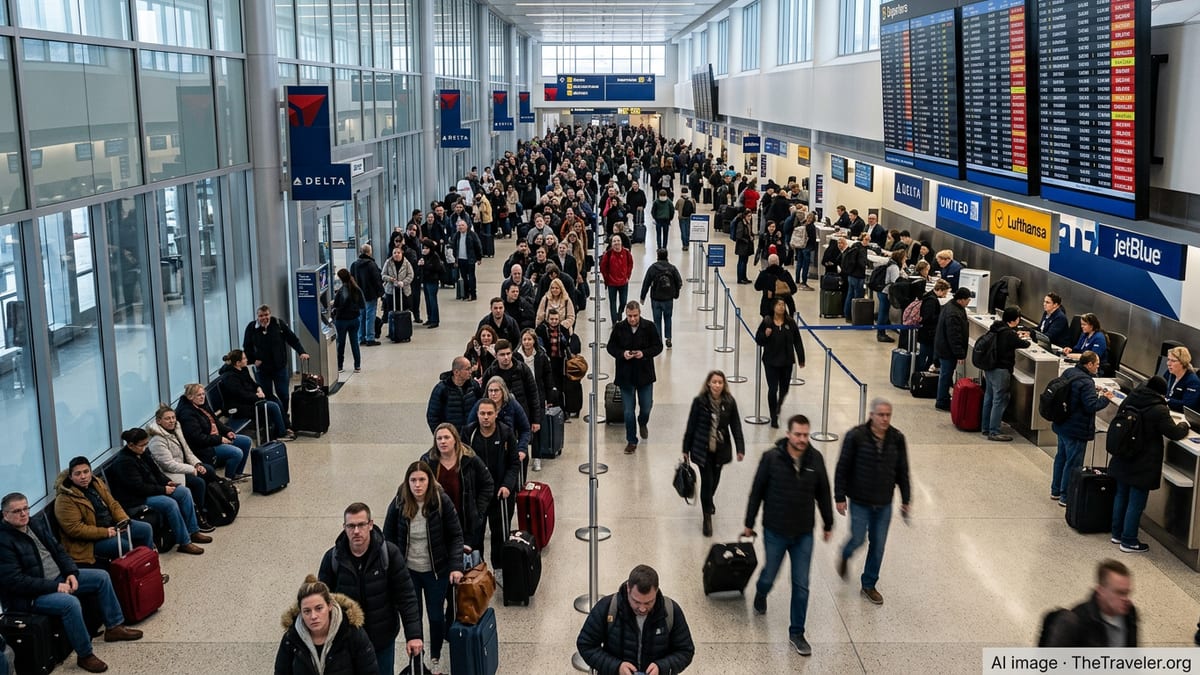
Summer thunderstorms sweeping across major U.S. hubs are triggering hundreds of flight cancellations and thousands of delays, snarling one of the busiest travel periods of the year and leaving passengers facing long lines, missed connections and extended airport waits.
Get the latest news straight to your inbox!
Storm Cells Target Northeast and Major Hubs
Recent storms tracking across the Northeast and Mid-Atlantic have hit some of the country’s most heavily used airports, including New York’s John F. Kennedy International, LaGuardia, Newark Liberty, Washington Reagan National, Boston Logan and Philadelphia. Published coverage indicates that repeated rounds of thunderstorms on Tuesday, July 21, prompted airlines to cancel and delay flights as lightning, low clouds and temporary ground stops reduced available runway capacity.
Operational data compiled by flight-tracking services over the past two weeks shows a similar pattern nationwide. On July 7, for example, an earlier wave of summer storms contributed to more than 500 cancellations and over 3,000 delays across the United States, with disruption concentrated at large connecting hubs such as Chicago O’Hare, New York City airports and Atlanta. Publicly available information shows that even when individual storm cells are relatively short lived, the resulting traffic restrictions can echo through the system for hours.
In North Texas, thunderstorms have repeatedly upended schedules at Dallas Fort Worth International Airport. Regional reporting from July 13 and July 15 points to hundreds of delays and dozens of cancellations in the Dallas area alone as lightning and heavy rain forced pauses in ground operations and takeoffs. Similar weather-related interruptions have been recorded at Miami International and other coastal hubs as unstable air masses linger over the Southeast.
Network Ripple Effects Amplify Local Weather
While most disruptions begin with localized storms, the structure of the U.S. air network means that a single weather event can rapidly impact travelers far from the affected region. Industry analyses note that major hubs, including Atlanta, Chicago, Dallas Fort Worth and New York’s airports, operate near capacity during peak periods. When thunderstorms reduce the number of arrivals and departures that air traffic control can safely manage, flights stack up quickly.
Once such bottlenecks form, late-arriving aircraft and crews can trigger a cascade of knock-on delays. A plane held on the ground in New York may miss a scheduled departure from another city later that day, while pilots and flight attendants who reach federally mandated duty limits during prolonged weather holds may no longer be available to operate subsequent legs. Publicly available commentary from aviation experts indicates that this dynamic is especially pronounced in midsummer, when schedules are already dense with leisure travel demand.
The result for passengers can be significant disruption even in regions enjoying clear skies. Travelers departing from smaller or mid-sized airports often rely on connections through one or two large hubs. If storms choke capacity at those hubs, outbound flights may be rescheduled, diverted or canceled outright as airlines attempt to rebalance aircraft and crew across their networks.
Historic Summer Volume Compounds Weather Stress
This summer’s weather has collided with a surge in demand that federal aviation planners have been flagging since spring. Guidance from the Federal Aviation Administration describes 2026 as one of the busiest summer travel seasons in years, with peak days approaching or exceeding pre-pandemic traffic levels. More flights in the air and fuller planes leave less room for contingency when storms develop along key corridors.
Planning documents and consumer analyses highlight that weather remains the leading cause of flight delays in the United States, ahead of volume and runway constraints. Thunderstorm season in particular poses challenges, because such systems can build rapidly, shift direction with limited warning and bring lightning that requires ramp closures to protect ground crews. When combined with already tight schedules, these conditions raise the risk that even minor disturbances will trigger outsized disruption.
Industry reports also indicate that airlines continue to fine-tune their operations after several difficult summer and holiday travel periods in recent years. Some carriers have slightly reduced schedules at the most congested airports or added extra reserve crews and aircraft to improve resilience. However, analysts suggest that large complexes of storms, like those that have swept the Midwest and Northeast around the Independence Day holiday period and again in late July, can still overwhelm these buffers.
What Travelers Are Experiencing on the Ground
Across social media and traveler advocacy platforms, passengers describe a familiar pattern: day-of cancellations announced near departure time, multi-hour tarmac holds during lightning events, and long lines at customer service counters once operations start to resume. Accounts from recent days at New York-area airports and at Dallas Fort Worth depict crowded terminals where rolling thunderstorm cells forced repeated ground stops and gate changes.
Some travelers arriving at hub airports after missed connections report being rebooked for flights days later, particularly on popular leisure routes with limited remaining seats. In certain cases, passengers have shared that they resorted to renting cars, taking trains or booking last-minute flights on other carriers to reach their destinations on time. Others have noted that hotel prices near major airports can climb rapidly on heavily disrupted days, adding to the financial strain of extended delays.
Advocacy organizations point out that the burden often falls disproportionately on families with young children, travelers with tight work or event deadlines, and those without flexible budgets. With thunderstorms appearing on radar almost daily in some regions, frustration has grown among frequent fliers who see a pattern of recurring summer storms interacting with already stretched infrastructure and staffing.
How Airlines and Passengers Are Responding
Publicly available information from airlines and regulators shows a range of tools being used to manage the latest round of weather-related disruption. Carriers commonly issue travel waivers when major storm systems are forecast, allowing passengers scheduled to fly through affected airports to change their itineraries without additional fees. In the past two weeks, for example, several big U.S. airlines have extended waivers for travel through Northeast hubs as forecasters warned of repeated thunderstorm outbreaks.
Consumer resources compiled by the U.S. Department of Transportation outline what major airlines commit to provide in the event of significant delays or cancellations, including same-airline rebooking at no additional cost and, in some situations, meal vouchers or hotel accommodation. However, those commitments typically apply to disruptions within the airline’s control, while severe weather is categorized as an extraordinary circumstance. That distinction can limit the compensation or services offered when storms are the sole cause of the interruption.
Travel experts recommend that passengers build extra time into connections during storm-prone months, monitor their flight status frequently through airline apps and sign up for alerts, and consider earlier departures in the day when schedules are less congested. They also suggest that travelers review credit card and travel insurance benefits that may reimburse certain expenses, such as overnight lodging or meals, when trips are disrupted by events like the current sequences of summer storms affecting U.S. air travel.