


Taksim Square and the surrounding Beyoğlu district form the beating heart of Istanbul after dark. From live music bars tucked into Side streets off Istiklal Avenue to rooftop terraces with Bosphorus views and streetside grills serving kokoreç at 2 am, this is where the city stays awake longest. This guide focuses on how to actually experience Taksim at night: which areas are best for bar-hopping, where to hear live music, where to find a classic meyhane dinner, how late-night food works, and what visitors should know about safety and noise when choosing a hotel nearby.
Get the latest updates straight to your inbox!
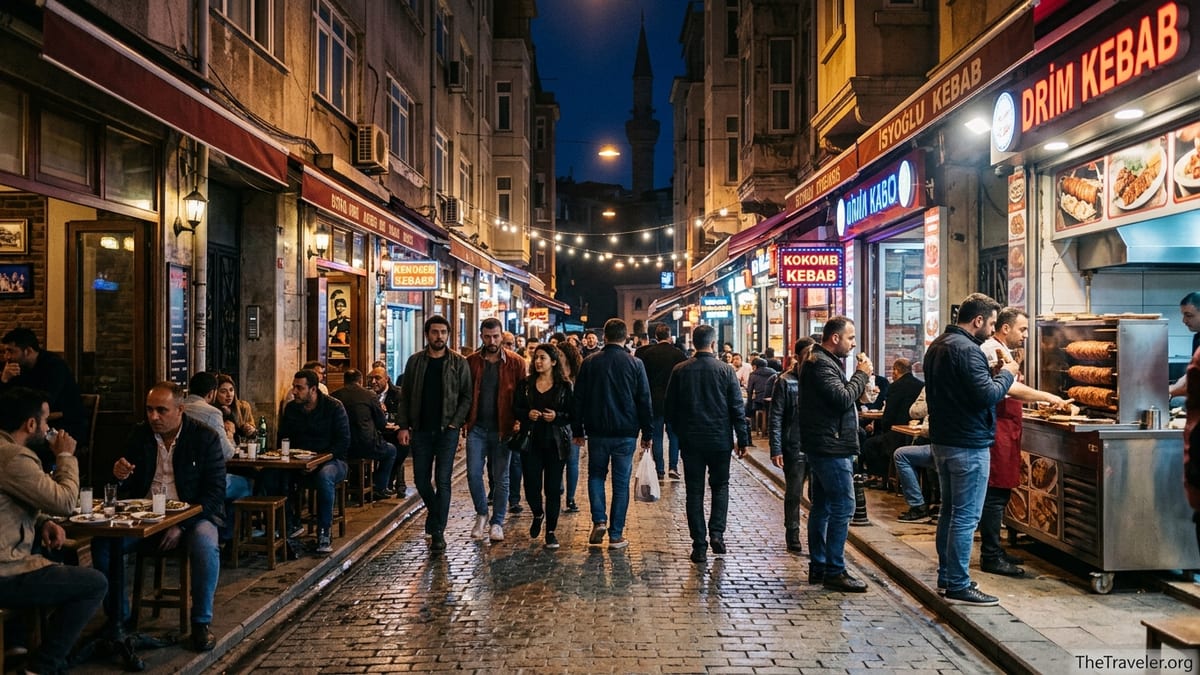
How Taksim Square Feels After Dark
By early evening, Taksim Square fills with commuters, shoppers and travelers moving along Istiklal Avenue, the 1‑kilometer pedestrian spine that runs south from the square into Beyoğlu. Street musicians start setting up small amps, the nostalgic red tram rings its bell, and café terraces begin to overflow with locals meeting friends after work. On most nights, especially Thursday to Saturday, the atmosphere is busy and energetic rather than threatening, with a visible mix of families, young couples, small groups of friends and tourists.
As you walk away from the main square into the web of side streets, the mood shifts block by block. Some narrow lanes are lined with casual beer bars and small live-music venues, others are dominated by meyhanes where tables spill out onto the pavement and rakı bottles stand in rows. A cluster of LGBTQ-friendly bars sits within walking distance toward Tarlabaşı and Cihangir, while more mainstream cocktail bars run down toward Şişhane. This variety is part of Taksim’s appeal: you can move from a quiet wine bar to a packed rock club in five minutes of walking.
In terms of safety, Taksim is widely regarded as one of Istanbul’s liveliest and generally safe central districts at night, especially along main routes like Istiklal Avenue and around the square where foot traffic is constant and businesses stay open late. As in any large city, pickpocketing can be an issue in crowds and visitors occasionally report pushy touts trying to lure them into overpriced clubs on side streets. Using the same common-sense guidelines you would apply in Barcelona or Athens keeping valuables close, avoiding obviously intoxicated strangers, and ignoring aggressive promoters goes a long way here.
The trade-off for this late-night energy is noise. Hotels that face directly onto Taksim Square or the lower stretches of Istiklal often report sound from bars and street traffic until 2 or 3 am, especially on weekends. Travelers who want to enjoy the nightlife but still sleep well often choose streets that are a 5 to 10 minute walk from the square, such as parts of Cihangir, Gümüşsuyu, or higher residential blocks in Harbiye, where you can walk home but are not directly above a bar.
Best Streets and Micro-Neighborhoods for Nightlife
For a first night out, the easiest way to get oriented is to think in terms of micro-areas around Taksim. Istiklal Avenue itself is the backbone: it is pedestrianized, brightly lit and busy late into the night, with mainstream pubs, dessert cafés and a few clubs hidden upstairs above the shopfronts. Prices here are generally a bit higher than in more local neighborhoods, and some businesses cater heavily to tourists, but the concentration of venues makes it ideal for bar-hopping when you are still learning the area.
Just off Istiklal, the side streets around Beyoğlu’s older passages host some of the densest clusters of bars. Streets running downhill toward Şişhane are known for live music spots and smaller cocktail bars that appeal to a mixed crowd of locals and visitors. A typical bar here might charge the equivalent of 4 to 6 US dollars for a draft beer and 7 to 10 dollars for a simple mixed drink, with informal table service and recorded rock, indie, or Turkish pop. You can easily step in for a single drink and move on without any pressure to stay all night.
Southwest of Taksim Square, Cihangir offers a softer edge to nightlife. Its quiet residential streets are dotted with neighborhood wine bars, cafés that morph into bars after dark, and restaurants where people linger on terraces rather than heading to clubs. This is a popular area for creative locals, digital nomads and visitors on longer stays who like a relaxed, bohemian feel. Prices trend slightly higher than the student bars near Tarlabaşı but the mood is calmer, and it can be a good starting point before walking up toward the louder streets of Taksim.
By contrast, some alleys on the Tarlabaşı side of Taksim feel rougher, with a heavier bar scene and a more obvious mix of late-night economies. These streets are not off limits, but first-time visitors may feel more comfortable staying on busier routes where restaurants, shops and well-lit bar terraces create natural foot traffic. If you are returning to a hotel that requires walking through quieter blocks after 1 or 2 am, it is often easier and inexpensive to use an app-based taxi for the last stretch, especially if you are alone.
Bars and Rooftop Terraces around Taksim
Many travelers use Taksim as a base for classic bar-hopping: starting with an early-evening beer or wine in a quieter pub, then moving toward louder venues around midnight. Pubs just off the square tend to be small, wood-paneled spaces with rock soundtracks and sports games on TV. An Irish-style pub a few minutes’ walk from the metro entrance, for example, draws solo travelers and small groups for pints and simple bar food in an atmosphere that feels familiar to European visitors, with beer prices typically in the mid-range for Istanbul’s center.
Back toward Şişhane, cocktail-focused bars have grown more visible over the last few years, with a shift from basic long drinks to more crafted menus. At these spots, bartenders often work with Turkish botanicals, local citrus and regional spirits alongside imported bottles. Expect to pay roughly the equivalent of 8 to 12 US dollars for a signature cocktail in 2026, with prices fluctuating as the lira does. Dress codes are generally relaxed: smart-casual is more than enough for almost any Taksim bar, and sneakers are common.
Roof and terrace bars are one of the main reasons to stay in or near Taksim. Several hotels within a 5 to 15 minute walk from the square operate rooftop lounges with Bosphorus or Golden Horn views, often open to non-guests. Even if you are not staying there, you can ride the elevator up for a sunset aperitif, then move back down into Beyoğlu later. On clear evenings, these terraces can feel surprisingly calm compared with the noise on the streets below, making them a good option if you want views and conversation rather than dance music.
Reservations are usually not necessary for smaller bars on weeknights, but rooftop venues and popular cocktail spots may fill up on Friday and Saturday, particularly in high season from late April through October. Many locals simply message venues on social media to check on availability that evening, but you can also ask your hotel’s front desk to call ahead if you are worried about capacity for a group.
Live Music, Meyhanes and Traditional Evenings
Taksim is part of a wider Beyoğlu live music circuit that also includes landmarks like Babylon and Salon IKSV, two of the city’s best-known contemporary music stages reachable in a short taxi or metro ride. While these bigger venues sit slightly outside the immediate square, smaller live bars closer to Taksim offer everything from indie covers and Turkish rock to jazz and blues. On typical nights there is often a small cover charge or a first-drink minimum, but it remains affordable by Western European standards and ticketed concerts for touring artists are usually clearly advertised.
For a more traditionally Turkish night, many visitors look for a meyhane, the classic tavern where the evening is built around sharing meze plates and sipping rakı. Streets off Istiklal host lines of these restaurants, recognizable by their white tablecloths and backlit bottle shelves. A common pattern is to order a mixed tray of cold mezes such as eggplant salads, stuffed vine leaves and yogurt-based dips, followed by grilled fish or meat, all served family-style. With a modest bottle of rakı shared between two or three people, a full meyhane dinner around Taksim might cost the equivalent of 20 to 35 US dollars per person depending on seafood choices.
Some meyhanes feature canlı müzik, live music, often in the form of a small ensemble playing Turkish classics while guests join in the singing. It is perfectly acceptable to linger at your table for several hours, pacing your meze and drinks through the night. If you prefer a quieter meyhane without music, look for places that emphasize conversation and food rather than entertainment, or make a slightly earlier reservation for the first sitting of the night between 7 and 8 pm, before the volume rises.
Jazz and blues fans should keep an eye out for venues between Taksim and Galata that host regular small-ensemble nights. Nardis Jazz Club near Galata Tower, for instance, is often cited by local guides as a leading dedicated jazz stage with ticketed sets, while multipurpose rooms like Salon IKSV program a mix of indie, world and experimental acts throughout the year. Reaching these from Taksim involves a downhill walk or a short taxi ride, making them easy to add to a night that starts or ends in the square.
Clubs, LGBTQ+ Venues and Late-Late Nights
If you want to stay out past 2 am, Taksim remains one of Istanbul’s most reliable districts. Medium-sized clubs hide on upper floors of commercial buildings or behind unmarked doors on side streets, usually opening their dance floors around midnight and peaking between 1:30 and 3:30 am. Music varies widely from Turkish pop and Arabesque remixes to techno, house and international chart hits. Cover charges, when they exist, are often modest for men and sometimes waived for women or mixed groups, but door policies can change quickly, so it is worth asking locals at your bar for up-to-date suggestions.
The LGBTQ+ scene in Istanbul has long been concentrated around Taksim and Beyoğlu, with bars and clubs that range from casual mixed hangouts to explicitly queer dance floors. In practice, many of these venues welcome a broad crowd of locals and visitors who appreciate a more tolerant atmosphere. As with other nightlife spots, names and exact locations can change at short notice, so recent local blogs or community social media accounts are often the best way to see what is active in the month you visit. When in doubt, ask at a friendly café or bar earlier in the evening; staff are usually happy to point you toward current favorites.
A common pattern for a big night out is to start with drinks at a bar such as a small radio-themed venue or a cozy cocktail bar close to Taksim, then move as a group to a nearby club around 1 am. Locals often suggest specific combinations, for example beginning the evening at a compact cocktail bar and ending it at a small electronic club within walking distance. Taxis are easy to hail at almost any hour around Taksim, so it is simple to jump from a Beyoğlu bar to a later-night spot in neighborhoods like Karaköy or Beşiktaş and then return to Taksim when you are ready to head home.
Regardless of orientation, couples should be aware that public displays of affection can draw more attention here than in some Western European capitals, particularly outside explicitly queer or progressive venues. Inside bars and clubs patrons are typically focused on their own groups, but it is still wise to read the room and follow local cues. Dress codes in clubs may be slightly stricter than in bars, with sports shorts and flip-flops sometimes discouraged for men, though sneakers and smart T-shirts are widely accepted.
Late-Night Food: What to Eat After Midnight
One of Taksim’s great pleasures is how easy it is to find something hot to eat after a long night out. Around the square and along Istiklal, dürüm counters and döner stands stay open well past midnight, many until 3 or 4 am on weekends. A simple chicken or meat dürüm wrap purchased from a street window typically costs the equivalent of 2 to 4 US dollars in 2026, with extra toppings adding a small surcharge. Locals often eat standing at narrow counters or carry their food back to a nearby square or bench.
A few streets off Taksim, you will find kokoreç grills serving seasoned lamb intestines chopped and packed into bread, a classic late-night snack. For visitors, this can be a memorable way to end the evening: the grills are visible on the sidewalk, and you can specify how spicy you would like it. Simpler options such as sucuk (spicy sausage) sandwiches, gözleme (stuffed flatbreads) and toasted sandwiches are also widely available, along with künefe and baklava shops where you can wash dessert down with tea instead of another drink.
For something more substantial, several 24-hour lokantas operate within a short walk of Taksim Square. These cafeteria-style restaurants have glass counters filled with stews, vegetable dishes and rice; you point to what you want and pay by portion. Prices are moderate, and they can be a good way to line your stomach after drinking, especially in winter when late nights near the Bosphorus feel cold. Coffee chains and dessert cafés on Istiklal also extend their hours on busy nights, giving you a non-alcoholic way to wind down.
If you are staying in a quieter hotel zone like Harbiye or parts of Cihangir and return by taxi, you can ask the driver to stop briefly near Taksim for takeaway before continuing. Many drivers are used to late-night food detours and will wait for a minute or two while you grab wraps or sandwiches, especially if you mention it when you get in. Just have cash or a contactless card ready to keep the stop quick.
Safer Streets, Noisy Hotel Zones and Practical Tips
For walking, the safest-feeling routes late at night are the obvious ones: the main body of Istiklal Avenue between Şişhane and Taksim; the immediate perimeter of Taksim Square; and streets where multiple bars, restaurants and shops create consistent lighting and foot traffic. Solo travelers, including women, routinely report feeling comfortable on these paths until late, especially on weekends when crowds are thick. That said, it is still sensible to avoid dim alleys leading away from busy stretches, particularly if you are obviously unfamiliar with the area or carrying visible valuables.
Noise is the main hidden issue for visitors staying in or around Taksim. If your hotel window opens directly above a bar street, expect music, shouting and motorbike deliveries until at least 1 or 2 am, later on Friday and Saturday. Apartment-style accommodations in old buildings sometimes have thin walls and single glazing, which can amplify sound. When booking, it is worth reading recent guest reviews to see whether noise is a recurring complaint, and if you are sensitive to sound, consider requesting an interior-facing room or choosing a property a short walk downhill or uphill from the main nightlife grid.
Transport is straightforward. The Taksim metro and funicular services down to Kabataş stop around midnight, depending on the season and day of week, so train and tram options thin out as the night goes on. After that, most people rely on metered yellow taxis or app-based services that operate all night. Fares within central Istanbul are relatively affordable for foreign visitors, though traffic congestion can add to journey times in the early evening. Late at night, a taxi from Taksim to nearby districts such as Karaköy, Beşiktaş or Nişantaşı is usually a short, inexpensive ride.
To minimize hassles, keep a few practical habits. Only accept drinks you have watched being poured or opened, and buy your own rather than letting new acquaintances insist on ordering for you. If a bar seems to be pushing bottle service or quoting unusually high prices without a menu, do not hesitate to pay for what you have already consumed and move elsewhere. Most venues in and around Taksim post clear price lists, and staff at reputable places are used to foreign guests asking about costs before committing.
The Takeaway
Taksim Square after dark is not a single experience but a mesh of overlapping scenes: student bars and crafted cocktails, rooftop sunsets and underground clubs, meyhane tables that stretch dinner into midnight and street food counters feeding club-goers at 3 am. For many travelers, it is the most efficient way to sample Istanbul’s contemporary nightlife in a single compact area, especially on short stays where you do not have time to explore every district.
At the same time, it is important to approach Taksim with realistic expectations. It is lively, crowded and sometimes chaotic, more like central Barcelona or Athens than a quiet old town. Noise is part of the package, touts are a fact of life on some streets, and the character of individual bars can change quickly from year to year. By choosing your base a few minutes away from the noisiest blocks, sticking to busier routes when walking late and using taxis for longer rides, you can enjoy the area’s energy while avoiding most of its irritations.
Whether you are interested in live music, Turkish tavern culture, queer-friendly bars or simply watching the flow of Istanbul life from a rooftop, Taksim offers a strong starting point. Give yourself at least one unstructured night to wander: follow the sound of a guitar from one side street, let the smell of grilled meat pull you another way, and see which venues feel welcoming when you peer inside. In this part of Istanbul, some of the best nights are the ones that are not pre-planned.
FAQ
Q1. Is Taksim Square safe at night for solo travelers?
Taksim and the main stretch of Istiklal Avenue are generally considered safe for solo travelers, including women, especially on busy nights. Use standard big-city precautions, avoid very quiet side streets after midnight and rely on taxis if you feel unsure about walking.
Q2. What time does nightlife around Taksim usually start and finish?
Bars begin to fill from around 8 or 9 pm, live music often starts between 9:30 and 11 pm, and clubs tend to peak between 1:30 and 3:30 am. Many bars close by 2 or 3 am, while some clubs and late-night eateries stay open until dawn on weekends.
Q3. Are there quiet areas to stay near Taksim if I want to sleep before midnight?
Yes. Neighborhoods like Cihangir, Gümüşsuyu, and parts of Harbiye are within a 10 to 15 minute walk of Taksim but are generally quieter at night. When booking, look for hotels on side streets without ground-floor bars and read recent reviews mentioning noise.
Q4. How expensive are drinks in Taksim bars compared with other parts of Istanbul?
Prices in Taksim are slightly higher than in more local districts but still moderate by many European standards. A draft beer typically costs the equivalent of 4 to 6 US dollars, while basic cocktails range from about 7 to 10 dollars, with rooftop venues charging a bit more.
Q5. Do I need to book tables in advance for meyhanes and popular bars?
For meyhanes and rooftop bars, reservations are recommended on Friday and Saturday nights and during high season. Casual pubs and many smaller bars near Taksim usually accept walk-ins, especially on weeknights, though groups of more than four may still want to call ahead.
Q6. What should I wear for a night out in Taksim?
Dress codes are relaxed. Smart-casual outfits, such as jeans or casual trousers with a shirt or blouse and clean sneakers, are fine almost everywhere. Some clubs may discourage sports shorts, athletic wear or flip-flops, but suits and dresses are not required unless you prefer them.
Q7. Is Taksim a good area for LGBTQ+ nightlife?
Yes. The wider Taksim and Beyoğlu area has several LGBTQ-friendly bars and clubs, and it has historically been a focal point for Istanbul’s queer nightlife. As venues can open and close quickly, it is best to check current local recommendations when you arrive.
Q8. How late can I find food near Taksim Square?
Street food stands, dürüm counters and kokoreç grills around Taksim usually serve well past midnight, with many open until 3 or 4 am on weekends. A few 24-hour lokantas and international fast-food outlets ensure you can find a hot meal or snack at almost any hour.
Q9. Are there live music venues within walking distance of Taksim?
Yes. Numerous small live bars with Turkish rock, pop and covers sit within a short walk of the square. Larger stages like Salon IKSV and jazz spots near Galata can be reached in a brief downhill walk or a short taxi ride from Taksim.
Q10. Is Taksim or Sultanahmet better for evenings out?
Sultanahmet is quieter and more focused on historical sights, with fewer late bars and almost no club scene. Taksim is better if you prioritize nightlife, live music, and late eats, while still being a manageable taxi or tram ride from the major daytime attractions.