


More news on this day
American Airlines’ dominance at Dallas Fort Worth International Airport is doing far more than moving passengers through North Texas, with a new Texas Christian University study estimating the carrier’s hub generates up to 71 billion dollars in annual economic activity and supports more than 350,000 jobs across the region.
Get the latest news straight to your inbox!
A fortress hub with outsized regional reach
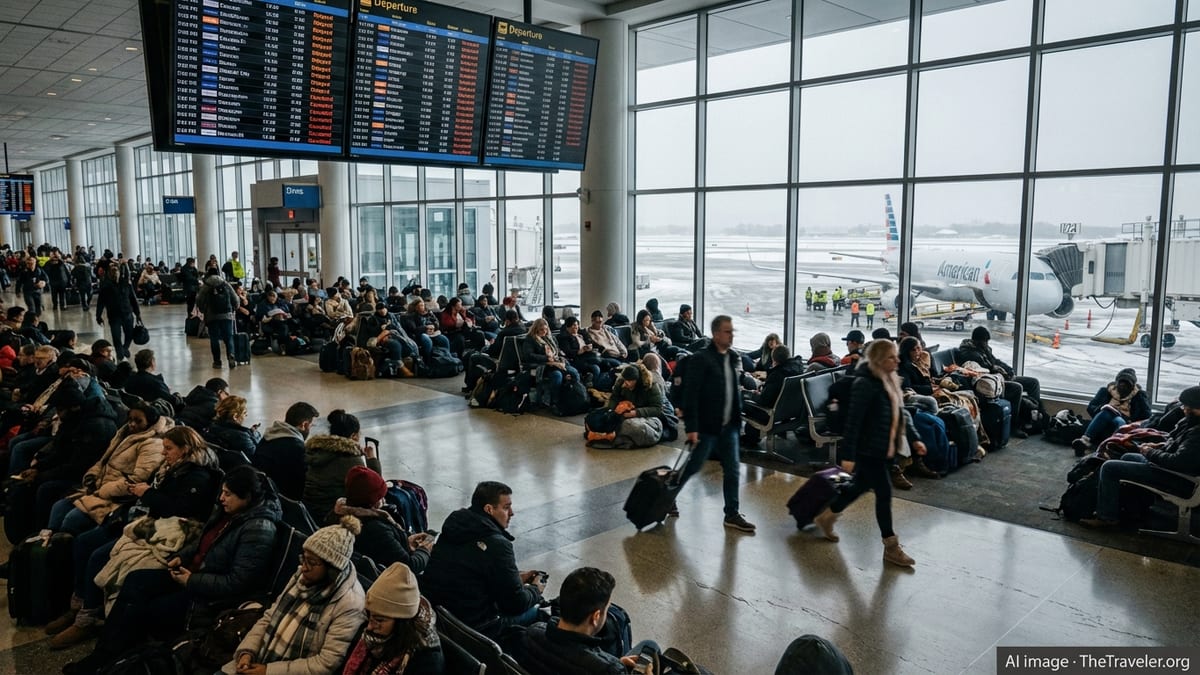
The TCU analysis centers on American’s role at Dallas Fort Worth International Airport, where publicly available data show the airline accounts for more than 80 percent of commercial passenger traffic and operates hundreds of daily departures. The study frames the airport not just as a transportation node but as one of the largest single economic engines in Texas.
Researchers calculated the economic footprint by combining direct impacts, such as airline employees, airport operations and on-airport businesses, with indirect and induced effects throughout the North Texas economy. Those ripple effects include spending by visitors, supplier contracts, construction, and the everyday purchases made by workers whose jobs depend on the hub.
By that measure, the report indicates American’s DFW hub supports annual economic activity in a range that climbs to about 71 billion dollars, placing it in the top tier of aviation-driven regional economies in the United States. The figure reflects both the carrier’s scale at DFW and the rapid population and business growth across the Dallas Fort Worth metroplex.
The study’s findings align with DFW Airport’s own strategic planning documents, which present the facility as a preeminent U.S. connecting point and a key contributor to payroll and business output across North Texas.
Jobs, payroll and spending far beyond the terminals
While the headline number focuses on overall economic output, the TCU report highlights employment as a central part of American’s regional footprint. Publicly available information shows the airline employs tens of thousands of people in the Dallas Fort Worth area in roles ranging from pilots and flight attendants to mechanics, customer service agents, corporate staff and technology specialists.
When contractors, concession workers, ground handling firms, airport security, logistics companies and other aviation-related businesses are included, the study estimates that more than 350,000 jobs across North Texas are tied directly or indirectly to American’s DFW hub. Those positions generate tens of billions of dollars in annual payroll, a key driver of local consumer spending, housing demand and tax revenues.
The study notes that visitor spending linked to American’s network at DFW further amplifies the effect. Travelers connecting through or arriving in North Texas contribute to hotel bookings, restaurant sales, retail activity and entertainment venues throughout the metroplex. Business travelers associated with corporate headquarters and regional offices also support professional services, real estate and convention activity.
According to the published analysis, each increase in passenger throughput and network connectivity at the hub magnifies these employment and spending impacts, underscoring the importance of DFW in regional economic development strategies.
Network strength, capital projects and long-term commitments
American’s DFW hub has grown over several decades into one of the airline’s most important bases, supported by a long-term use and lease agreement between the carrier and the airport that extends into the 2040s. Public documents describe ongoing and planned capital investments in terminals, gates, technology and airfield infrastructure aimed at accommodating rising traffic and improving the passenger experience.
Recent airport planning materials reference multi-billion-dollar projects, including an expansion of Terminal F and significant upgrades to existing facilities. These projects are designed to keep pace with projected passenger growth, which airport forecasts show climbing into the hundreds of millions of annual travelers over the coming years.
The TCU study incorporates these expansion plans as part of its assessment of future economic potential. Larger terminal footprints, additional gates and enhanced cargo capabilities are expected to support more flights, wider route networks and increased freight volumes, all of which contribute to additional jobs and business activity in aviation, logistics and related sectors.
Analysts note that American’s reliance on DFW as a primary connecting hub also factors into decisions by other companies to locate or expand in North Texas, citing the value of global air service for corporate travel, recruitment and supply chain planning.
Implications for travelers and the wider North Texas economy
For travelers, the scale of American’s DFW hub translates into a dense web of domestic and international connections, frequent daily departures on key routes and a broad mix of fare options. Flight schedules through DFW link smaller communities to major business centers and global destinations, reinforcing the airport’s role as a central interchange in the carrier’s network.
The TCU report suggests that this connectivity is a competitive advantage for the Dallas Fort Worth region as it competes with other large U.S. metropolitan areas for corporate relocations, tourism and convention business. Companies seeking reliable access to coast-to-coast and international air service may view American’s operations at DFW as a core asset.
Regional planners and business groups are expected to reference the study’s findings as they make the case for continued investment in transportation infrastructure, workforce development and land use around the airport. The economic scale attributed to American’s hub underscores how aviation policy, airport planning and airline strategy intersect with broader questions about growth, housing and quality of life in North Texas.
As DFW Airport advances its next multi-year strategic plan and American continues to refine its route network, the TCU analysis positions the hub’s 71 billion dollar impact as a central consideration in how the metroplex manages and benefits from its status as one of the country’s busiest aviation crossroads.