


More news on this day
Thailand’s key airlines are rolling out short-notice flight cancellations and capacity cuts at Bangkok’s Suvarnabhumi and Don Mueang airports, as well as Chiang Mai, disrupting regional links to hubs such as Kuwait, Kuala Lumpur and Cambodia’s Techo International Airport.
Get the latest news straight to your inbox!
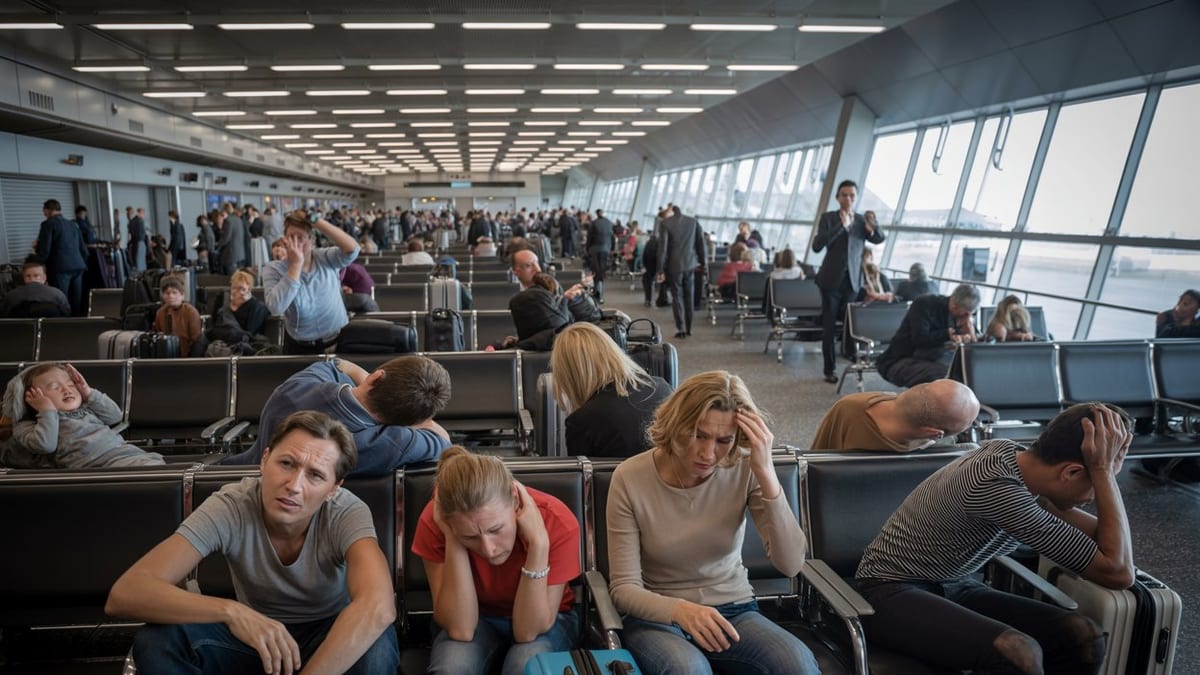
Fuel Costs and Regional Tensions Drive Fresh Cancellations
Recent schedule notices and industry commentary indicate that Thai carriers are entering a fresh round of capacity cuts on both domestic and international routes. Thai Airways has informed travel agents and partners of additional reductions on its May and June schedules, citing jet fuel prices that have roughly doubled over recent months and pressure to keep restructuring on track. The latest adjustments follow several earlier rounds of trimming on weaker regional routes in Asia and secondary European destinations.
Low cost operators are also adjusting. Publicly available information and local aviation coverage show Thai AirAsia and long haul affiliate Thai AirAsia X scaling back frequencies from Bangkok, including services at Suvarnabhumi and Don Mueang. Cuts are concentrated on thinner routes where load factors have fallen, while trunk links to key cities such as Singapore and London are prioritized for retention or upgauging.
For passengers, the practical impact is a growing list of flights that simply disappear from departure boards, either as outright cancellations or extended suspensions of certain route pairs. Many of these changes are being finalized only days or weeks before departure, complicating planning for both leisure and business travelers who expected Thailand’s post pandemic rebound to bring more stable air connectivity.
The squeeze on fuel sensitive routes coincides with a more volatile geopolitical backdrop in the Gulf region, where airspace restrictions and operational limits at Kuwait International Airport are forcing further schedule reshuffles across multiple Middle Eastern and Asian carriers.
Disruptions at Suvarnabhumi, Don Mueang and Chiang Mai
Bangkok’s Suvarnabhumi Airport, Thailand’s main international hub, is bearing the brunt of network adjustments. Thai Airways, which bases the majority of its widebody fleet there, has reduced frequencies on select regional routes, including rotations that previously linked Bangkok to Kuala Lumpur and other Southeast Asian capitals multiple times a day. According to published timetables, some of these services are now operating less frequently, with certain low demand days temporarily dropped from the schedule.
At Don Mueang, Bangkok’s secondary airport and a major low cost base, real time departure boards show a pattern of thinning connections on some medium haul routes. Recent notices from Thai AirAsia X point to reduced weekly frequencies to Japanese and Central Asian gateways from Don Mueang, alongside suspensions on some China and Middle East sectors. Although many domestic flights continue to operate as planned, travelers report receiving abrupt email notices of cancellations on select departures, sometimes without an immediate rebooking option on the same day.
Further north, Chiang Mai International Airport is also seeing knock on effects. Route cuts announced by Thai Lion Air earlier this year have removed certain domestic links entirely, while other airlines have trimmed shoulder season capacity. For travelers who once relied on convenient same day connections via Chiang Mai to reach other Thai cities, the schedule changes translate into longer layovers or forced overnights in Bangkok.
The overall outcome across Suvarnabhumi, Don Mueang and Chiang Mai is a patchier network than headline traffic recovery figures might suggest. While peak holiday and major business routes remain well served, marginal flights are increasingly vulnerable to cancellation when fuel prices spike or bookings soften.
Kuwait and Kuala Lumpur Among Affected International Links
On long haul and regional international sectors, Kuwait and Kuala Lumpur stand out as two important points affected by the latest disruptions. Kuwait Airways has been at the center of a wave of cancellation complaints from travelers in recent weeks, as posts on travel forums and social media describe flights between Kuwait City and Bangkok being removed from schedules or shifted at short notice. Some passengers report receiving refund notices rather than rebooking options, reflecting a broader pattern of Kuwait Airways rescheduling as it adapts to operational limits in its home market.
Thai Airways previously maintained its own Kuwait service but more recent schedules list Kuwait City as a terminated destination, leaving Thai travelers largely dependent on Gulf carriers for one stop itineraries between Thailand and the Middle East. When Kuwait Airways cancels or reshapes its Bangkok services, those changes ripple through to connecting traffic that would otherwise continue on to South Asia, Europe or East Africa via Kuwait.
Closer to home, multiple carriers have been quietly trimming Bangkok to Kuala Lumpur frequencies. Thai Airways has cut back some Bangkok to Kuala Lumpur rotations compared with pre crisis levels, while low cost competitors on the route have selectively reduced off peak flights in response to higher operating costs. Although core daily services remain in place, the number of same day options for travelers has narrowed, especially for those seeking very early morning or late night departures.
Passengers connecting through Kuala Lumpur from Thailand into Australasia or South Asia are increasingly finding that their preferred Bangkok feeder flight no longer aligns with onward departures. That misalignment can force routings through other hubs or require schedule changes that add hours to total journey times.
Techo International and Mekong Routes Feel the Knock On
Cambodia’s new Techo International Airport, serving Phnom Penh and intended as a modernized gateway for the Mekong region, has not been immune to the turbulence in Thai aviation scheduling. While the airport continues to attract regional services, recent timetable data show that some Thailand Cambodia rotations are operating less frequently than originally planned as airlines reassess demand and fuel exposure.
Thai regional carriers, including Bangkok Airways, have historically built their brand around niche routes linking Thailand’s resorts and neighboring capitals. Published route maps confirm that the airline continues to serve a network of Cambodian and Lao destinations, but travel industry reports note that selective cancellations and upgauging have become more common. Aircraft are being redeployed to higher yielding holiday routes within Thailand and to popular island gateways where demand remains resilient.
For travelers using Techo International as part of multi stop Mekong itineraries, these incremental cuts mean fewer options for short, cross border hops via Bangkok or Chiang Mai. Package tour operators who previously sold seamless loops through Thailand, Cambodia and Vietnam are increasingly warning clients that last minute airline schedule changes remain a real possibility throughout the 2026 summer season.
The shifting patterns underscore how vulnerable emerging hubs such as Techo International are to airline capacity decisions made in Bangkok, where fuel costs, aircraft availability and regional risk assessments are playing an outsized role in shaping timetables.
What Travelers Can Do as Thai Schedules Keep Shifting
Against this backdrop of rolling cancellations and frequency cuts, travelers relying on Thai Airways, Bangkok Airways and other regional carriers are facing a more uncertain planning environment. Aviation advisories consistently recommend that passengers monitor their bookings closely in the weeks leading up to departure, using airline apps or booking platforms to check for silent schedule changes that may not be highlighted via email.
Publicly available passenger rights notices issued by airlines operating from Thailand outline entitlements in the event of cancellations, generally including options such as rebooking on the next available flight on the same carrier, rerouting via alternative hubs where feasible, or receiving a refund. However, the extent of assistance such as hotel accommodation and meals varies by carrier, route and the underlying reason for the disruption, so travelers are encouraged to review the specific conditions attached to their tickets.
Industry analysts also note that routing via secondary hubs can sometimes provide a safety valve when direct services are cut. For example, travelers who originally expected to reach Europe or South Asia via Kuwait may find more reliable options by connecting through other Gulf or Asian hubs that currently maintain more stable schedules to and from Bangkok and Chiang Mai. In Southeast Asia, alternate connections via Singapore, Ho Chi Minh City or Hanoi can stand in when Kuala Lumpur capacity is tight.
With fuel markets and regional security conditions evolving rapidly, airlines are likely to maintain a cautious stance on capacity for the remainder of the northern summer season. For now, Thailand bound travelers are being advised to build extra flexibility into their itineraries, allow longer connection windows and budget time for potential last minute rebookings if their original flights are among those quietly removed from the schedule.