


More news on this day
Thailand has joined a growing list of Southeast Asian countries alerting travelers to a surge in K-pop related scams in South Korea, as reports of fake tickets, fraudulent flight bookings and online resale cons increasingly ensnare foreign tourists drawn by Seoul’s K-culture boom.
Get the latest news straight to your inbox!
Regional Travel Alerts Expand As K-Culture Tourism Surges
Publicly available advisories from Thailand now echo warnings already issued in the Philippines, Vietnam, Indonesia and Malaysia, highlighting rising risks for fans traveling to South Korea for concerts, fan meetings and festivals linked to K-pop and wider K-culture. The alerts focus on online fraud, unofficial ticket resellers and social media marketplaces that have proliferated in tandem with the global popularity of Korean music and drama.
Across the region, foreign ministries and tourism bodies have been updating guidance to emphasize that demand for headline events in Seoul routinely exceeds official ticket supply. This imbalance has created fertile ground for criminal groups and opportunistic scammers who impersonate promoters, pose as fellow fans or exploit the urgency around pre-sales and last-minute releases.
While many travelers still complete their trips without incident, regional monitoring shows a noticeable uptick in complaints related to concert access problems, disputed payments, and unfulfilled tour packages that bundled flights, accommodation and promised entry to major K-pop shows.
The expanded Thai guidance slots into a broader pattern of Southeast Asian governments working to synchronize messaging on travel risks, particularly where fast-growing tourism flows intersect with online fraud that easily crosses borders.
From Fake QR Codes To Phantom Seats: How K-Pop Ticket Scams Work
Recent cases highlighted in Asian media point to a similar playbook being used against fans from multiple countries. Fraudsters typically advertise tickets through social platforms and messaging apps, often using images lifted from legitimate vendors. Victims are encouraged to pay via bank transfer, digital wallet or anonymous payment channels, sometimes being told that speed is essential to secure a limited seat allocation.
In many reports, the tickets supplied are either duplicated QR codes or entirely fabricated confirmations that only surface as invalid when fans reach Seoul venues. Some tourists discover the problem earlier when they attempt to verify their booking with official ticketing platforms and find no record of any purchase tied to their details.
Other schemes center on package deals that combine entrance to sold-out concerts with flights, hotels and local transfers. Travelers pay in full weeks or months ahead, only to receive partial documents or none at all as the event date approaches. In more complex scams, small initial deliveries such as a valid flight booking are used to build trust before larger payments for premium seats or backstage experiences are requested and ultimately lost.
Observers note that the emotional investment of long-time fans, combined with limited availability and tiered access schemes, has made K-pop events particularly attractive to fraudsters, who count on buyers overlooking red flags in their rush to secure attendance.
Airline Passengers Caught In Cross-Border Fraud Patterns
Alongside ticket cons, regional media and consumer forums have documented a rise in fraud incidents affecting passengers of carriers that dominate Southeast Asia to Seoul routes, including Thai Airways, Cebu Pacific, Vietnam Airlines, AirAsia and Garuda Indonesia. The most commonly reported problems involve payment irregularities, fake third-party agents and unauthorized use of card details harvested through spoofed booking portals.
Airline-focused scams often start with social media posts or search adverts claiming steep discounts on popular flights to South Korea. Travelers are directed to lookalike websites or to contact supposed agents via messaging apps. Bookings may be processed using compromised credit cards, or not booked at all despite full payment being collected from the customer.
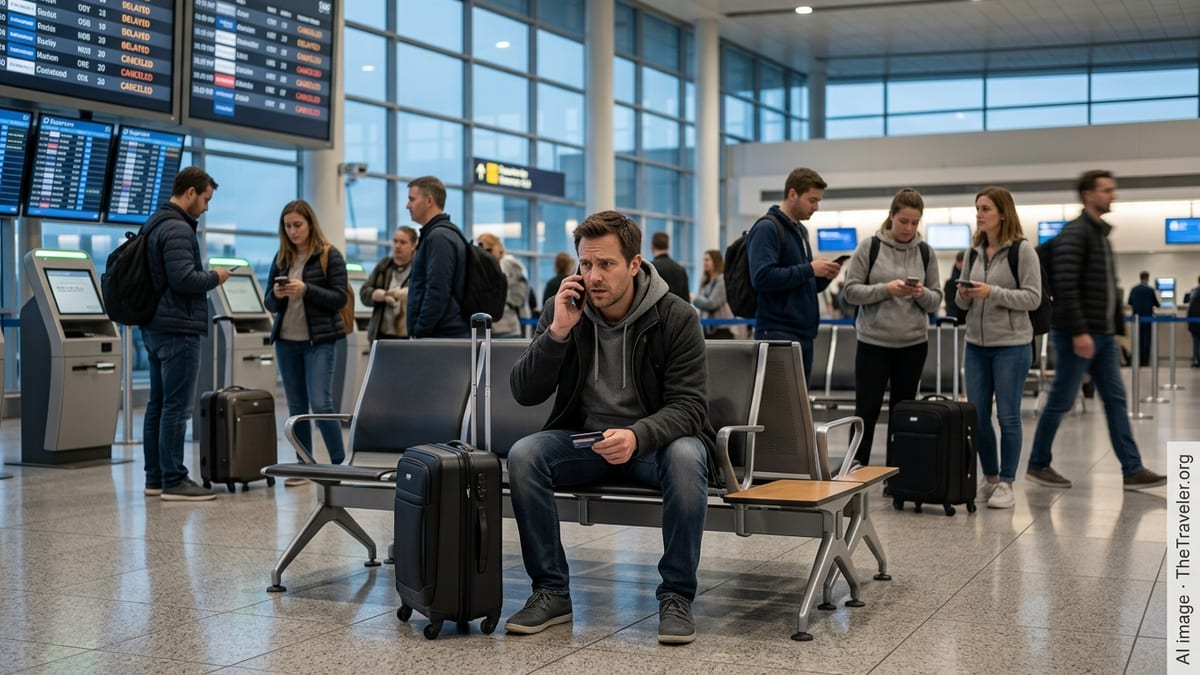
When fraudulent bookings are made with stolen payment data, some passengers only discover the issue at the airport, where check-in staff flag cancelled or voided tickets. In other situations, victims arrive at the counter to learn that no reservation exists in the airline’s system, even though they possess screenshots or informal confirmations from the intermediary who took their money.
Airlines in the region have repeatedly reminded customers, through public statements and advisory notes, to use official websites, verified mobile apps or accredited travel agencies when purchasing tickets. They also encourage travelers to be wary of requests for direct transfers to personal bank accounts and to treat unusually low fares for peak travel dates with caution.
Government and Industry Responses In Seoul and Southeast Asia
In South Korea, local media coverage shows enforcement bodies stepping up investigations around major tour announcements and festival weekends, particularly in districts of Seoul associated with concert venues and fan gatherings. Periodic crackdowns have targeted unauthorized street sellers, online resellers who breach ticketing terms, and organizers of fraudulent VIP experience packages promoted to overseas fans.
Travel industry groups in Southeast Asia have responded by updating staff training and revising payment screening, especially for high-value group bookings tied to specific concerts. Some agencies now limit how long a provisional reservation can be held without confirmed payment from an authorized channel, aiming to reduce exposure to recycled or resold seats that may later be canceled en masse when fraud is detected.
Insurers that underwrite travel policies for concert trips are similarly reviewing wording around non-delivery of event tickets and the conditions under which claims may be considered. Policy summaries increasingly distinguish between a promoter canceling a show and a traveler being deceived by a third party who was never in a position to supply valid entry in the first place.
Observers say these developments reflect a broader adjustment by the tourism and events ecosystem as fan travel becomes an established, high-value segment of international arrivals to South Korea, demanding more structured consumer protection tools than were needed in earlier phases of K-culture’s rise.
Practical Advice For Travelers Planning Seoul K-Pop Trips
Travel specialists recommend that fans in Thailand, the Philippines, Vietnam, Indonesia, Malaysia and beyond start by checking the latest travel and safety advice published by their own governments, alongside official event and ticketing channels in South Korea. Using these as reference points can help distinguish legitimate pre-sales and authorized resellers from informal networks that provide few avenues for redress when something goes wrong.
Consumers are also urged to pay attention to transaction methods. Credit cards and secure payment platforms that offer dispute mechanisms generally provide more protection than irreversible bank transfers or direct deposits to personal accounts. Keeping detailed records of correspondence, invoices and booking numbers can assist in any later challenge or insurance claim.
For flights, choosing to book directly with Thai Airways, Cebu Pacific, Vietnam Airlines, AirAsia, Garuda Indonesia or other major carriers, or through clearly identified partners, remains the clearest way to avoid many booking scams. Travelers who do use intermediaries are advised to confirm their reservation on the airline’s own system well before departure, rather than relying solely on third-party documentation.
Regional alerts underline that Seoul continues to welcome large numbers of fans who experience K-culture without serious incident. The current wave of warnings is framed less as a deterrent and more as a push for travelers to match their enthusiasm for K-pop with careful planning and a skeptical eye toward deals that appear significantly cheaper or easier than those offered through official channels.