


You open Aviasales, plug in your route, watch the fares load, and suddenly there it is: a nonstop flight that is 80 dollars cheaper than anything you have seen all week. You click through to book, relieved to have finally beaten the system. Yet by the time you reach the final payment screen, that bargain fare has quietly turned into something far more expensive, restrictive, and frustrating to manage. The problem is not Aviasales itself, but a subtle checkout mistake many travelers make after using it. Understanding what is happening at that moment can save you real money and a lot of stress later on.
Get the latest updates straight to your inbox!
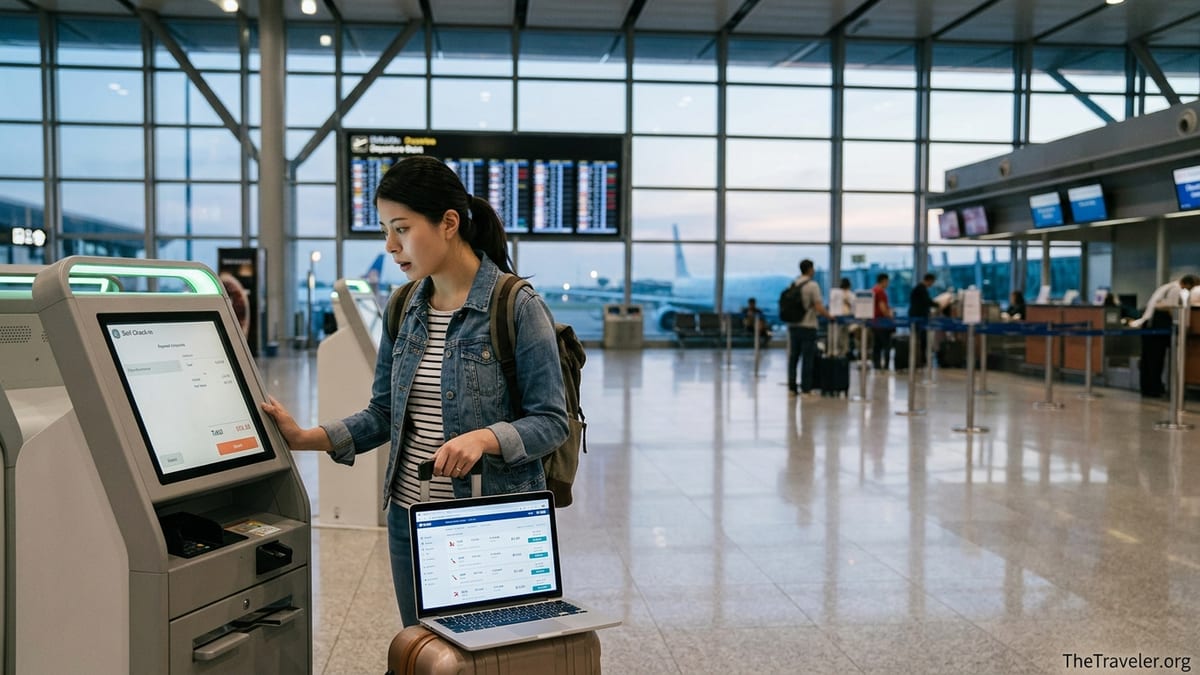
Aviasales Finds Flights, But It Does Not Sell You the Ticket
The first piece of context matters: Aviasales is a flight metasearch engine, not an airline or an online travel agency. It searches hundreds of airlines and ticket sellers, then sends you to another site to complete your booking. In other words, Aviasales helps you discover deals, but you always purchase the ticket somewhere else, whether that is a major carrier like Lufthansa, a well known online travel agency like Expedia, or a smaller reseller you may never have heard of.
That distinction explains why prices on Aviasales can look so impressively low. The platform pulls live fares, including promotional prices from smaller agencies and consolidators that may not show up on airline websites or more conservative search tools. For example, you might see a New York to Rome round trip in November for 512 dollars with a lesser known agency, while the same dates show 595 dollars when you click through to book directly with the airline. On the Aviasales results screen, both are listed side by side.
Where travelers slip up is in treating everything they see after they leave Aviasales as if it were still the same neutral comparison environment. Once you click the green "Select" button, you are entering someone else’s checkout flow, with that company’s fees, policies, and upsells. Aviasales has already done its job. From this point on, your experience depends entirely on which seller you choose and how carefully you navigate their final screens.
Seen from the airline’s point of view, Aviasales is simply a traffic source. The carrier pays Aviasales or its affiliates for sending you over, and then it is free to price its seat selection, bags, and support however it wants. The same is true for online travel agencies. That is why the same flight, on the same day, can feel straightforward when booked on the airline’s site and surprisingly complicated when booked through a reseller, even if the initial base fare looked identical in Aviasales results.
The Real Mistake: Chasing the Lowest Seller Without Reading the Checkout
The most common and expensive misstep after finding flights on Aviasales is clicking through to the absolute lowest priced seller without scrutinizing what you are agreeing to on the final checkout pages. Travelers see a 15 or 25 dollar difference and assume the cheaper option is automatically better, then rush through payment. Only later do they discover strict change penalties, service fees, or missing extras that easily erase the savings.
Consider a typical scenario for a traveler in Chicago searching for a December trip to Cancun. Aviasales shows a nonstop on a major US airline for 287 dollars if booked through a little known reseller, 302 dollars through a mid tier online travel agency, and 319 dollars if you book directly with the airline. The 287 dollar option looks too good to pass up, so many people click it, type in their card details, and press pay. On the final screen, the reseller adds a 22 dollar "service fee" and offers paid phone support for another 9 dollars. The total at this point is already 318 dollars, essentially the same as the airline’s direct price, but with much stricter conditions if you need to change or cancel.
Now compare that to a traveler in Berlin booking a complex multi stop route to Southeast Asia. Aviasales might surface an aggressive fare from a niche agency that is 120 euros cheaper than booking directly with the main airline group. That discount can still be worth it, but only if you look closely at the rules on the checkout page. Some agencies issue separate tickets for each leg, making missed connections far riskier. Others charge 50 or 60 euros as an "administration fee" if you ever need to change the itinerary, on top of the airline’s own change penalty. These fine print conditions often appear only when you expand the fare rules or terms of service during checkout.
In both cases, the true mistake is not using Aviasales or trying to save money. It is treating that lowest headline price as the final word without zooming in on what it costs to live with that ticket later. A difference of 20 or 30 dollars at checkout is trivial if it leads to hours on hold during a disruption or a 200 dollar reissue fee when your plans shift by one day.
How Aviasales Results Turn Into Surprises at Payment Time
To understand why this mistake is so widespread, look at how a typical search unfolds. You search Los Angeles to Tokyo for March. Aviasales lists several options: a nonstop on a Japanese carrier, a one stop on a US airline via Seattle, and a cheaper itinerary via Vancouver with a Canadian carrier and a regional partner. For each, you see multiple buttons linking to different sellers: the airline itself, one or two big global online agencies, and a handful of smaller ticket sellers. The price difference between them might be as little as 5 dollars or as much as 80 dollars.
Once you choose a seller and click through, you are now in that company’s ecosystem. Many smaller agencies keep their base fare low in Aviasales results but make up the margin through optional extras and fees at checkout. You might see a payment processing surcharge if you use a credit card instead of bank transfer, an extra charge for "self service changes," or a fee to receive support by phone instead of email. There can also be currency tricks, such as quoting a fare in euros but automatically converting it to US dollars at a poor exchange rate if your card is issued in the United States.
Even major online travel agencies sometimes follow this pattern. A New York traveler pricing a spring trip to Lisbon might click through from Aviasales to a well known OTA offering the flight for 20 dollars less than the airline site. By the time they have added seat selection and a basic checked bag on the OTA, the total can end up slightly higher than if they had booked the same extras directly with the airline. The OTA’s margins, including any service fees for changes or customer support, only become obvious when something goes wrong, such as a schedule change or missed connection.
On the other hand, the same Aviasales search can also show cases where booking through a reputable OTA genuinely saves money with no hidden downsides, especially on multi carrier itineraries that airlines themselves do not show. For instance, Aviasales might surface a clever combination of a European low cost carrier and a Middle Eastern airline for a one way trip from Barcelona to Bangkok, sold by a big OTA at a noticeable discount. Here the issue at checkout is not so much hidden fees as understanding you are buying a more complex ticket that may be harder to change or support if your plans are fluid.
When Booking Direct Is Worth Paying a Little More
After using Aviasales to map out the best dates, routes, and airlines, many experienced travelers treat the platform as a research tool and then deliberately pay a little more to book directly with the airline. They still rely on Aviasales to discover that flying Newark to Milan is cheaper on Tuesday than Friday, or that a one stop connection in Reykjavik beats a cheaper but much longer connection in London. But once the overall shape of the trip is clear, they choose the airline button even if it is not the absolute cheapest option listed.
This strategy particularly pays off on long haul trips or when your schedule is sensitive. If you book a San Francisco to Sydney ticket on the airline’s own site after finding it on Aviasales, you typically manage changes, seat upgrades, and schedule disruptions directly through the carrier’s app or call center. If a storm closes the airport and flights are canceled, airline staff can usually rebook you quickly because you are in their system as a direct customer. Travelers who booked the same flight through a tight margin OTA often find themselves bounced between agencies and airlines, each insisting that the other party must handle the problem.
Real world anecdotes bear this out. Travelers who booked discounted business class tickets on complex routes via third party sellers have reported being downgraded when an airline rescheduled equipment, then struggling to obtain refunds or compensation because their contract was with the agency rather than the carrier. Passengers with identical tickets purchased directly on the airline site were often rebooked or compensated more smoothly. Paying 30 or 40 dollars more at checkout to cut out one layer of middlemen can be an inexpensive form of trip insurance.
That does not mean you should always book direct no matter what. For simple domestic hops or truly non changeable trips, a reputable online agent that is 50 or 80 dollars cheaper might still make sense if you understand the risks. The key is to consciously weigh that small savings against the value of flexible support, especially for international journeys, family trips, and peak season travel when everything is harder to rebook.
Smart Ways To Use Aviasales Without Falling for the Checkout Trap
The safest way to get full value from Aviasales is to treat it as the world’s most efficient scouting report, then slow down for five focused minutes when you actually choose where to pay. For each promising option, click through to at least two sellers: the airline itself where possible and the lowest priced agency, then compare the final totals with extras you realistically need. If the difference shrinks to a handful of dollars once you add bags or seats, go with the simpler, better supported choice.
Before entering any payment details, look directly under or beside the fare on the seller’s checkout page for links labeled "fare rules," "ticket conditions," or "agency fees." Expand them and scan for words like "service fee," "reissue," "support," or "change through agency only." If a site charges 40 dollars to handle every change request, you have effectively bought a very restrictive ticket even if the airline’s underlying fare was flexible. Likewise, be wary of any mandatory "support package" or "cancellation protection" that is automatically added to your basket unless you opt out.
Another sensible move is to check the airline’s own website in a separate tab while you are looking at the Aviasales results. If Aviasales shows a 410 dollar fare to Paris via a small agency, and the airline is selling the same itinerary for 428 dollars direct, you need to decide if 18 dollars is an acceptable premium for easier changes, loyalty point earning, and direct customer support. Many frequent travelers draw an informal line in the 20 to 40 dollar range: below that, they book direct; above that, they consider a trusted third party if its policies are clearly explained.
Finally, as soon as you complete a booking with any seller, use the airline record locator to pull up your reservation on the carrier’s own site or app. Make sure the names, dates, and ticket numbers match what you expect. If you booked via a third party and something looks wrong within the first 24 hours, it is far easier to fix while the reservation is still fresh in both systems than weeks later at the airport check in counter.
Examples of Common Checkout Pitfalls After Leaving Aviasales
Concrete examples show how quickly a great Aviasales find can sour if you rush the final steps. Picture a traveler in Toronto who spots a sharp fare to London: 435 Canadian dollars through a small agency, 468 dollars through a more established online travel company, and 489 dollars directly with a major European airline. At first glance, the 435 dollar offer is a clear winner. On the payment screen, though, the small agency adds a non refundable "service charge" of 29 dollars per passenger and only offers email based customer service that promises replies within three business days. In practice, that traveler risks waiting through a whole weekend for help if a Saturday flight is suddenly canceled.
Or take a couple in Los Angeles who find their dream honeymoon itinerary to Bali via Aviasales: a mix of a US airline and a Southeast Asian carrier, sold by a large online travel agency for 1,250 dollars each, about 90 dollars cheaper than booking each leg separately with the two airlines. Tempted by the savings, they complete the booking. Months later, when the Asian carrier changes the departure time, their connection in Singapore becomes legally too short. The airline is willing to reroute them, but tells them to contact the agency because the ticket was issued under the agency’s internal fare. The OTA call center is overloaded, and the couple spends hours on hold before being placed on a less convenient route.
Another common pitfall is the illusion of flexibility. After finding a flexible ticket on Aviasales, a traveler might click through to an OTA that advertises "free changes" in big letters. In the fine print on the checkout page, though, it says the free change applies only to the agency’s own service fee, not to the airline’s fare difference or penalties. If the traveler’s new dates fall during a high demand period, they can still end up paying hundreds of dollars in fare difference even though they thought the ticket was fully changeable.
Currency and payment choices can also turn into stealth costs. A US based traveler booking a ticket from Madrid to Buenos Aires might see a price in euros on Aviasales and then be offered the option to "lock in" a dollar amount at checkout. The conversion rate used can be significantly worse than what their credit card bank would offer if they simply paid in euros, effectively adding an invisible margin to the fare. In these situations, what looked like a 30 dollar saving in the search results can vanish or even reverse by the time the bank statement arrives.
The Takeaway
Aviasales is a powerful ally for travelers who want to see the full landscape of flight options quickly. It excels at revealing cheaper departure days, interesting routings, and lesser known sellers that can shave serious money off a trip. The expensive mistake happens not on Aviasales itself, but in the moments after you leave it: uncritically clicking the lowest price, skipping the fare rules, and entering your card details before you fully understand who you are actually buying from and on what terms.
If you pause for a short, deliberate review at checkout, you can keep the upside of Aviasales while avoiding the downsides that plague rushed bookings. Compare at least two sellers for any itinerary you care about, especially the airline’s own site. Read the fee and change sections, not just the marketing banners. Decide consciously whether a small discount justifies adding an intermediary between you and the carrier. Used this way, Aviasales becomes less of a lottery and more of a precision tool: you still find the same cheap flights, but you stop paying for them twice in stress and surprise fees later on.
FAQ
Q1. Is it safe to book flights I find on Aviasales?
It is generally safe as long as you pay attention to who you actually book with after leaving Aviasales. Aviasales itself does not sell tickets; it redirects you to airlines and agencies. Safety depends on choosing reputable sellers and reading their conditions at checkout.
Q2. Should I always book directly with the airline after using Aviasales?
Not always, but it is often the simplest and most reliable option, especially for long haul or important trips. If the airline’s final price is close to the cheapest third party offer, many travelers prefer paying a bit more for easier changes and direct support.
Q3. Why does the price sometimes change when I click through from Aviasales?
Prices can change between the moment Aviasales retrieves them and the moment you reach the seller’s checkout page. Airlines update inventory constantly, and some agencies add service or payment fees only at the final step, which raises the total.
Q4. How can I tell if a third party seller from Aviasales is trustworthy?
Look for clear contact details, transparent fee and change policies, and straightforward checkout screens without aggressive add ons. Be cautious of sellers that hide their terms in dense text, add mandatory extras by default, or seem to rely on email only support for urgent issues.
Q5. Is the cheapest option on Aviasales always the worst choice?
No. Sometimes the cheapest option is simply a promotional fare or a competitive offer from a reputable agency. The problem arises when the cheapest option saves only a few dollars but comes with strict change rules, extra fees, or weaker support that you only notice during disruptions.
Q6. Can I still earn frequent flyer miles if I book through an agency Aviasales shows?
In many cases you can, as long as the ticket is for a regular published fare and you add your loyalty number. However, some deeply discounted or consolidator fares earn reduced miles or none at all, which is another reason to check fare details before paying.
Q7. What should I check on the checkout page before I pay?
Confirm the final total including taxes and any fees, review baggage and seat policies, read the change and cancellation rules, and note how you will obtain support if something goes wrong. If any of these are unclear, consider backing up and choosing a different seller.
Q8. Are multi airline itineraries from Aviasales riskier to book through third parties?
They can be, especially if the agency issues separate tickets for each flight instead of a single protected itinerary. This can leave you stranded if a delay on the first leg causes you to miss the second. When in doubt, prioritize sellers that explicitly state you are buying one through ticket.
Q9. How can I avoid currency and payment surprises after leaving Aviasales?
On the seller’s checkout page, check the currency and conversion options. It is often cheaper to pay in the currency in which the fare is quoted and let your card issuer convert it, provided your card’s foreign transaction fees are reasonable.
Q10. What is the best overall way to use Aviasales without making costly mistakes?
Use Aviasales to compare dates, routes, and airlines, then click through to at least two sellers for any route you care about. Compare final prices and rules, not just headline fares, and deliberately choose between a small saving with an intermediary or slightly higher cost with direct airline support.