


Waldorf Astoria is one of Hilton’s top luxury flags, a name that evokes old New York glamour, overwater villas in the Maldives and cliffside resorts in Cabo. But what does a stay at a Waldorf Astoria actually cost in 2026, once you factor in resort fees, airport transfers, food, spa time and taxes, and what do you really get in return for those prices? Looking at real-world examples from flagship properties around the world helps clarify what is included, what is extra and how to decide whether the splurge is worth it for your trip.
Get the latest updates straight to your inbox!
What “Waldorf Astoria” Really Buys You
Across the portfolio, Waldorf Astoria is positioned as a top-tier luxury brand in the Hilton family. In practice, that usually means resort-style properties with strong sense of place, large rooms or suites, and a service model that leans heavily into personal attention. At resorts like Waldorf Astoria Los Cabos Pedregal or Waldorf Astoria Maldives Ithaafushi, you are effectively buying a controlled, high-touch bubble with staff who remember your name, complimentary treats in your room and concierges who can arrange everything from private yacht charters to last-minute restaurant reservations in town.
Room sizes are often significantly larger than standard upscale hotels. Entry-level rooms at many resorts start around 750 to 900 square feet, and it is common for even the least expensive category to include some sort of outdoor space. At Waldorf Astoria Los Cabos Pedregal, for instance, standard rooms include private plunge pools and expansive terraces rather than just a small balcony. In the Maldives, the base villas typically come with private pools, outdoor showers and direct access to the lagoon or beach.
Service is where the brand aims to justify much of the premium. Many Waldorf Astoria resorts assign butlers or personal concierges who handle restaurant bookings, unpacking and repacking, and small surprises like afternoon snacks. Turn-down service is standard, and at resort properties you can expect small extras such as complimentary bottled water, welcome drinks on arrival and thoughtful touches like sunscreen stands near pools. None of this is free in the larger economic sense, of course, but these benefits are baked into the higher nightly rate rather than added as à la carte fees.
It is important to note that not every property feels equally opulent. Urban Waldorf Astoria hotels in places like Chicago or Beijing can feel closer to an upscale city hotel with a nice spa and polished service, while the far-flung resorts in Cabo, the Maldives or the Seychelles lean into a more immersive luxury experience. The nightly rate generally tracks that difference, with remote island and beach properties often costing several times what you might pay for a city stay.
Nightly Rates: From City Splurge to Bucket-List Resort
Nightly rates at Waldorf Astoria properties vary widely, but they rarely fall into “bargain” territory. For an illustrative city example, advance purchase midweek rates at Waldorf Astoria Chicago outside of peak events can sometimes be found in the low to mid 400 dollar range for a standard king room before taxes and fees. At busy times such as summer weekends, that same room can easily climb into the 600 to 700 dollar range or higher once demand kicks in.
By contrast, top leisure resorts often start around what many travelers would consider an ultra-luxury price point. At Waldorf Astoria Los Cabos Pedregal in Mexico, recent sample dates for spring 2026 show entry-level rooms for two adults starting around 1,100 to 1,200 dollars per night including taxes and mandatory charges, and that is on the lower end of its typical range. Independent hotel booking engines and recent traveler reports place common nightly totals between roughly 1,200 and more than 2,000 dollars per night depending on season, occupancy and room type.
Remote island properties sit even higher. At Waldorf Astoria Maldives Ithaafushi, travel advisors and recent reviews describe lead-in villa rates that often start around 2,800 dollars per night and can climb to tens of thousands per night for the most exclusive residences, especially during festive periods or school holidays. Those headline figures usually exclude transfers and most on-property spending, so a realistic total for a week-long stay for two in high season can easily reach five figures once everything is added up.
Even within the United States, resort pricing stacks up quickly. Waldorf Astoria Monarch Beach on the Southern California coast, for example, often shows base room rates in the 600 to 900 dollar range on popular dates before adding resort fees and taxes. Orlando’s Waldorf Astoria, serving as a luxury base for Walt Disney World trips, can sometimes be found under 500 dollars on slower weeks but climbs sharply during holiday periods and major conventions. The pattern is consistent: if demand is high in a destination, a Waldorf Astoria will usually be priced at or near the top of the market.
Resort Fees, Taxes and the “Invisible” Line Items
The sticker price shown on a booking site is only the starting point. At many Waldorf Astoria resorts, daily resort charges and local taxes add a substantial percentage on top of the base rate. For instance, Waldorf Astoria Orlando notes a daily resort charge in the range of 45 to 50 dollars per room, per night, in addition to state and local taxes. That fee typically covers items like Wi-Fi, access to the fitness center and pool area, and transportation to nearby theme parks, even though some travelers might reasonably expect those amenities to be included in a luxury rate.
On the West Coast, Waldorf Astoria Monarch Beach Resort & Club lists a daily resort charge of roughly 60 dollars per night. In return, guests receive perks such as fitness classes, beach club access, selected beach equipment and sometimes discounts on golf or spa services. Whether that feels like good value depends on how much you plan to use those inclusions. If you simply want a quiet room and a nice pool, a resort fee can feel like an unavoidable surcharge rather than a benefit.
Internationally, resort charges may show up differently but the effect is similar. In Mexico, for example, nightly totals at Waldorf Astoria Los Cabos Pedregal often bundle in service charges and government taxes that can add more than 20 percent to the base nightly rate. A room that starts at around 900 dollars before tax can easily push past 1,100 dollars once everything mandatory is included. In the Maldives, many packages exclude the cost of seaplane or yacht transfers from the headline room rate, even though those transfers are required to reach the resort and can cost several hundred dollars per person round-trip.
Other small but persistent fees can appear on the bill as well. In-room dining often carries both a delivery fee and an automatic service charge that can reach the mid-20 percent range on top of menu prices. Valet parking at city properties can cost 60 dollars or more per night. While none of these line items are unique to Waldorf Astoria, the brand’s generally high base pricing means those add-ons compound quickly and should be included in any realistic budget.
Food, Drink and Daily Spending Reality
Most Waldorf Astoria resorts are not all-inclusive, and day-to-day on-property spending is one of the biggest drivers of total trip cost. Breakfast for two at a resort such as Waldorf Astoria Los Cabos Pedregal, whether ordered from the restaurant or via room service, often lands in the 70 to 100 dollar range once coffee, juice and service charges are factored in. A casual poolside lunch consisting of shared appetizers, two main dishes and nonalcoholic drinks can easily total 80 to 120 dollars for two, depending on menu choices.
Dinner pricing varies by property and venue, but a realistic expectation at a flagship resort is 40 to 60 dollars for many main courses before tax and service charges, with tasting menus and premium seafood or steak much higher. At cliffside restaurants in Cabo or overwater dining spaces in the Maldives, it is not unusual for a date-night dinner with a couple of glasses of wine to reach 250 dollars or more for two guests. Ordering cocktails at resort bars adds up quickly, with many specialty drinks priced around 18 to 25 dollars each at high-end locations.
For travelers who want to manage costs, one advantage at certain Waldorf Astoria resorts is proximity to local dining. Guests at the Los Cabos property, for example, often mention that a short golf cart ride through the tunnel and a brief walk puts them in the heart of Cabo San Lucas, where taco stands, casual seafood places and midrange restaurants charge a fraction of on-property prices. In Orlando, ride-share trips to offsite restaurants can open up more modestly priced meals than staying within the resort complex every night.
It is also worth considering how elite status and certain room packages can offset food costs. Guests with Hilton Honors Gold or Diamond status commonly receive free continental breakfast or a daily food and beverage credit at many Waldorf Astoria properties. Over a five-night stay, those breakfast benefits can easily represent several hundred dollars in value, partially offsetting the higher cash rates if you make full use of them.
Transfers, Activities and Spa Time
Reaching many Waldorf Astoria resorts introduces another layer of cost beyond flights. In Los Cabos, airport transfers from San Jose del Cabo to the resort can be arranged through the property in luxury SUVs at a premium price, or independently through local operators for less, but either way you are likely spending at least 80 to 150 dollars each way for private transport. In the Maldives, round-trip yacht or seaplane transfers arranged through the Waldorf Astoria often run several hundred dollars per person and are typically mandatory, as there is no public boat service to the resort’s private island.
Once at the resort, paid activities can quickly rival the room rate. At beach destinations, private boat charters for snorkeling, whale watching or sunset cruising often start in the high hundreds of dollars for a few hours, particularly when booked directly through the hotel. Cooking classes, tequila or wine tastings, and guided excursions into nearby towns or natural areas are usually priced at a premium as well, reflecting the curated, small-group nature of many Waldorf Astoria offerings.
The spa is another area where luxury comes with a price. At many Waldorf Astoria spas in the United States, a standard 50- or 60-minute massage commonly falls in the 230 to 280 dollar range before tax and service, with longer or specialty treatments higher. In resort destinations, couples massages in beachfront cabanas or overwater spa suites can cost significantly more. Automatic service charges of 20 percent or more are standard at many spas, and additional tipping is optional but customary if the service was exceptional.
Travelers planning a longer stay should anticipate a realistic daily spend that includes some sort of activity or pampering. For a couple at a resort like Waldorf Astoria Los Cabos Pedregal or Monarch Beach, it is easy for non-room charges to reach 300 to 600 dollars per day if you factor in three meals, a few drinks, and a paid activity or spa treatment. Over the course of a week, that level of incidental spending can effectively double the cost of your stay relative to the headline room rate.
Using Points, Free Night Certificates and Credits
For frequent travelers, one way to manage the high cash cost of Waldorf Astoria stays is through Hilton Honors points and credit card benefits. Standard award nights at the most aspirational properties, such as Waldorf Astoria Maldives Ithaafushi or Waldorf Astoria Los Cabos Pedregal, typically price at 120,000 Hilton points per night for base rooms when standard awards are actually available. Availability at that level can be scarce at peak times, but travelers who are flexible with dates sometimes manage multi-night stays entirely on points.
At a property where cash rates routinely exceed 1,500 dollars per night after taxes and fees, redeeming 120,000 points for a standard award can represent strong value compared with the rough baseline valuations that many analysts use for Hilton points. In practice, that means a week-long stay that would cost well into five figures in cash could be reduced to a fraction of that out-of-pocket if you have built up a large enough points balance through paid stays, credit card spending or welcome bonuses.
Hilton’s fifth-night-free benefit on standard awards further improves the math for longer stays. If you book five consecutive standard award nights at a Waldorf Astoria on points, you will only be charged points for four nights, effectively reducing the average nightly cost in points by 20 percent. Card-issued free night certificates that are valid at almost any Hilton property worldwide can also be used at Waldorf Astoria locations, provided there is standard room availability at or below the certificate’s cap.
Several premium travel credit cards associated with Hilton also offer annual resort credits that reimburse certain charges at participating properties, which can include Waldorf Astoria resorts. These credits typically apply to room rates, resort fees and on-property spending such as dining or spa treatments. Used strategically, they can offset a few hundred dollars per year, turning an otherwise out-of-reach stay into a more manageable splurge, although travelers should never spend solely to chase a credit.
What You Actually Get: Space, Service and Setting
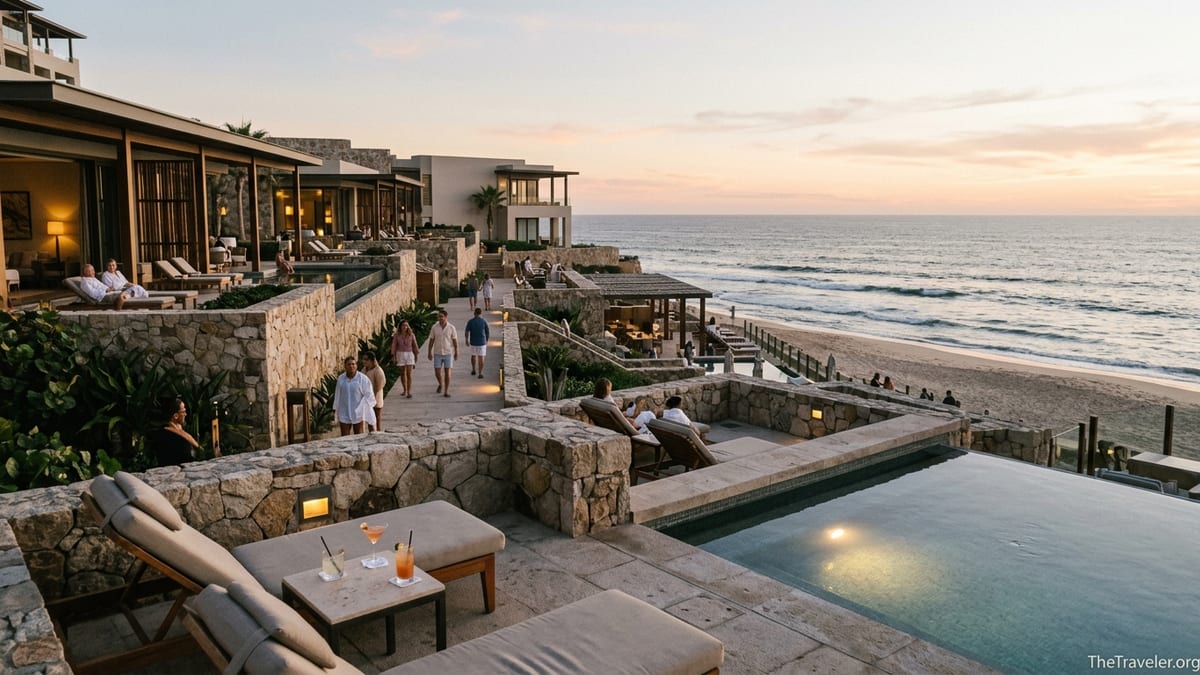
For travelers who swallow the high prices, the core question is what you actually experience in return. At their best, Waldorf Astoria resorts deliver a cohesive luxury environment where everything from the landscaping to the room hardware feels carefully considered. The cliffside design at Waldorf Astoria Los Cabos Pedregal, for example, provides nearly every room with dramatic ocean views and private plunge pools perched over the sand. In the Maldives, long boardwalks and private-island layouts provide a sense of seclusion that is difficult to replicate closer to major cities.
Room interiors at flagship properties typically feature high-quality linens, large soaking tubs, separate rainfall showers and high-end bath amenities. Many resorts include thoughtful extras like complimentary guacamole and chips delivered to your room each afternoon in Cabo, or fruit and sweets replenished daily in the Maldives. Tech touches usually include large smart TVs, multiple charging options near the bed and curated lighting schemes that allow you to shift from bright task lighting to softer evening settings.
Service consistency is a major part of what you are buying. At many Waldorf Astoria resorts, staff-to-guest ratios are high enough that there is always someone nearby to offer water at the pool, adjust umbrellas or help coordinate last-minute changes to plans. When things go wrong, such as a maintenance issue in your room or a transportation delay, there is usually a well-practiced system for making things right, whether through room moves, complimentary amenities or schedule rearrangements handled by the concierge.
That said, luxury is subjective. Some well-traveled guests compare Waldorf Astoria resorts against other ultra-luxury brands in the same destinations and conclude that while the experience is polished, it may not always surpass competitors that charge similar rates. Others find that the combination of Hilton points earning, elite benefits and familiar brand standards makes Waldorf Astoria a sweet spot between value and indulgence. The key is to match your expectations to both the destination and the specific property.
The Takeaway
Staying at a Waldorf Astoria in 2026 is rarely inexpensive. City properties can represent a high-end splurge in the 400 to 800 dollar per night range before taxes, while marquee resorts in Cabo, the Maldives or Southern California often start around 1,000 to 3,000 dollars per night or more. Once you factor in resort charges, local taxes, airport transfers, food and drink, spa time and activities, the total cost of a five- or seven-night stay can easily reach what many travelers would consider the budget for an entire international vacation.
In return for those prices, you are generally buying space, setting and service. Large rooms with private outdoor areas, striking natural locations and attentive staff define the experience at most Waldorf Astoria resorts. Small touches such as welcome amenities, beachside service and nightly turndown add up to a feeling of being looked after, not just accommodated. For some travelers, particularly those using points or leveraging credit card benefits, that combination can make the cost feel justified for a special occasion or milestone trip.
For others, the value equation only works when they mix in local dining, limit paid activities and keep spa visits to a minimum. It is entirely possible to enjoy the core elements of a Waldorf Astoria stay while keeping incidental spending in check, especially at properties that sit close to walkable towns or cities. The important step is to budget realistically for your total stay, not just the nightly rate, and to be honest about how much you will actually use the included amenities and services.
If you approach a Waldorf Astoria stay as a carefully planned luxury experience rather than an impulsive upgrade, you are more likely to enjoy what the brand does best. Understanding the real costs ahead of time helps ensure that when you finally sink into that plunge pool in Cabo or stretch out on a Maldivian deck at sunset, the dominant feeling is satisfaction rather than sticker shock.
FAQ
Q1. How much should I budget per night for a Waldorf Astoria resort stay?
For high-end resorts like Waldorf Astoria Los Cabos Pedregal or the Maldives, a realistic all-in budget for two is often 1,500 to 3,000 dollars per night once you add taxes, fees, meals and incidentals.
Q2. Are resort fees always charged at Waldorf Astoria properties?
Many resort-style Waldorf Astoria hotels, such as Monarch Beach or Orlando, add a mandatory daily resort charge, but some city properties do not. Always check the rate details before booking.
Q3. Is breakfast included in the room rate?
Breakfast is usually not included in the base cash rate, but guests with Hilton Honors Gold or Diamond status often receive complimentary breakfast or a daily food and beverage credit that can cover it.
Q4. How expensive is food at Waldorf Astoria resorts?
Expect breakfast for two to run 70 to 100 dollars, casual lunches around 80 to 120 dollars and dinners easily 150 to 250 dollars or more for two with drinks at many flagship resorts.
Q5. Do Waldorf Astoria hotels offer all-inclusive packages?
Most Waldorf Astoria properties operate on a traditional pay-as-you-go model. A few may offer special packages that bundle breakfast or resort credits, but fully all-inclusive options are rare.
Q6. Can I use Hilton points or free night certificates at Waldorf Astoria?
Yes, you can redeem Hilton Honors points and eligible free night certificates at Waldorf Astoria properties when standard award rooms are available, often at 120,000 points per night for top resorts.
Q7. How much do airport transfers usually cost?
At drive-to resorts like Cabo, private transfers often cost 80 to 150 dollars each way, while required boat or seaplane transfers in the Maldives can be several hundred dollars per person round-trip.
Q8. Are spa treatments worth the price at Waldorf Astoria?
Spa treatments are expensive, commonly 230 dollars or more for a standard massage before service charges, but many guests value the setting, therapist quality and access to spa facilities.
Q9. Is it cheaper to eat outside the resort?
Often yes. In destinations like Cabo San Lucas or Orlando, local restaurants off-property can cost a fraction of resort pricing, though you trade away the convenience of staying on-site.
Q10. Who is a Waldorf Astoria stay best suited for?
Waldorf Astoria stays tend to suit travelers planning special occasions, honeymoons or milestone trips, and frequent guests who can offset costs with points, status benefits and card credits.